Yamaha Drive2 PTV Lithium Battery Conversion: Upgrade for More Range and Faster Charging
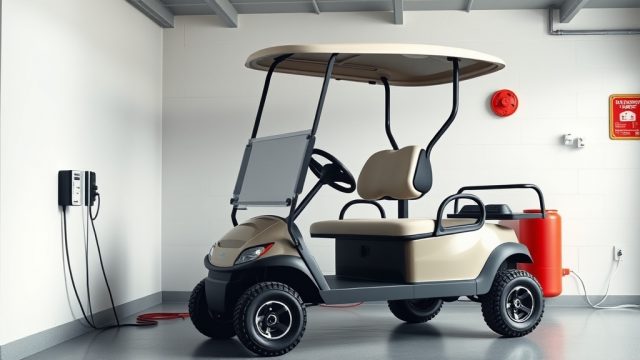
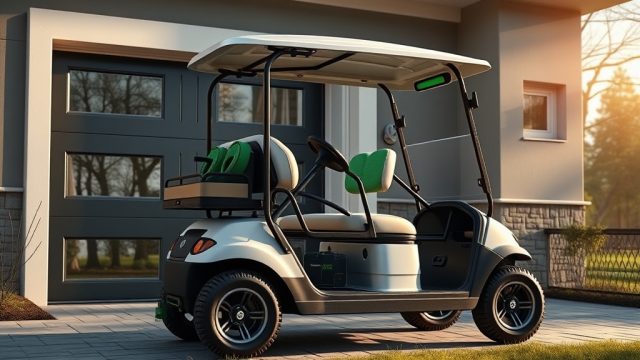
The Yamaha Drive2 PTV is already a reliable workhorse on the golf course and in neighbourhood cruising, but its lead-acid battery system often leaves owners longing for more range and less downtime. Converting to a lithium battery transforms the driving experience, offering faster charging, significant weight reduction, and consistent power delivery. This upgrade isn’t just about swapping batteries; it’s about unlocking the full potential of your Yamaha Drive2 PTV for daily use or extended adventures.
What Are the Main Benefits of a Lithium Battery Conversion for the Yamaha Drive2 PTV?
Switching from lead-acid to lithium in your Yamaha Drive2 PTV brings a host of practical advantages. First, lithium batteries charge significantly faster—most systems reach full capacity in 2–3 hours compared to 8–12 hours for lead-acid. Second, they deliver consistent voltage throughout the discharge cycle, meaning your cart maintains peak performance until the battery is nearly empty, unlike lead-acid which slows down as it drains. Third, the weight saving is substantial: a lithium pack can reduce total vehicle weight by up to 50 kg (110 lbs), improving acceleration and reducing strain on the motor.
For owners who use their carts for long rounds of golf or extended neighbourhood trips, the increased usable capacity is a game changer. Many lithium conversions offer 40–60 miles of range per charge, depending on terrain and load, while lead-acid typically manages 20–30 miles. Additionally, lithium batteries require no maintenance, no water topping, and have a lifespan of 2,000–5,000 cycles versus 300–500 cycles for lead-acid, drastically reducing long-term costs.
How Does the Charging Process Differ Between Lead-Acid and Lithium Batteries?
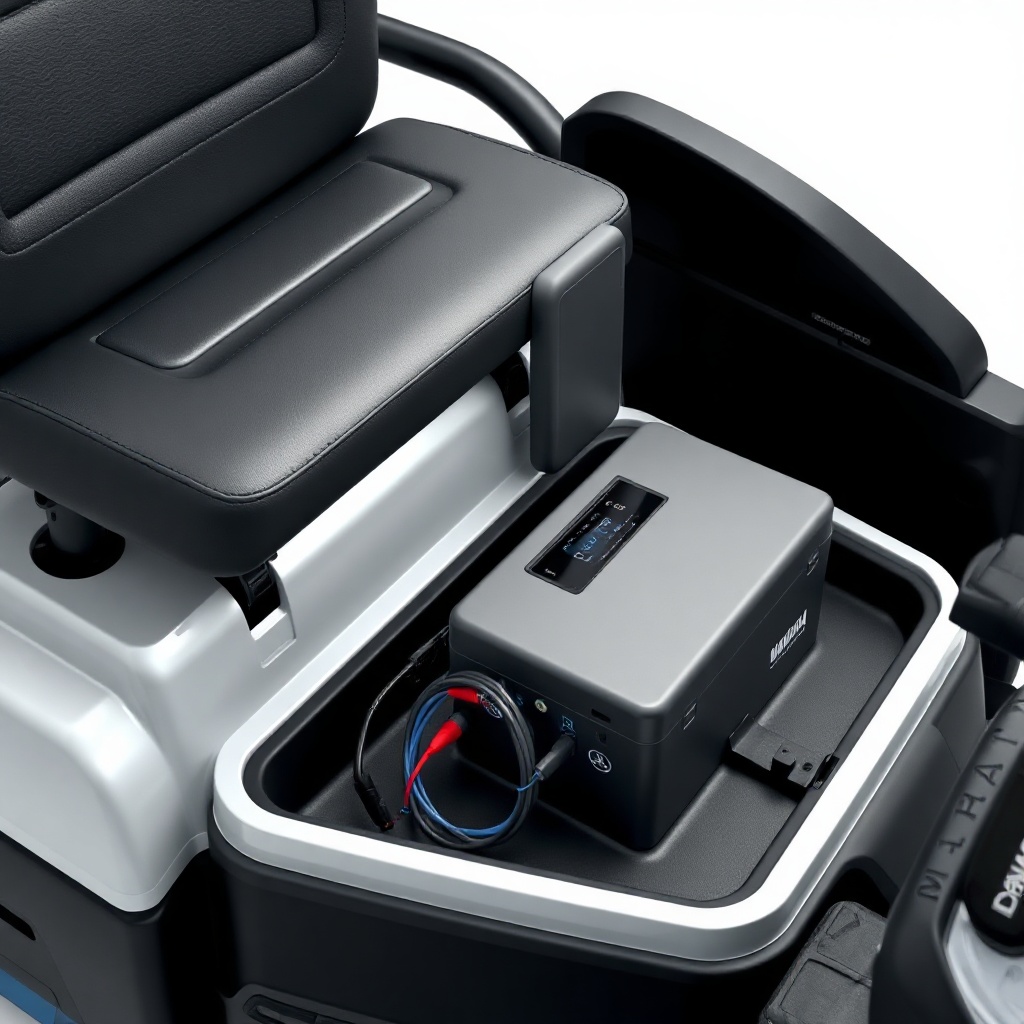
The charging protocol for lithium batteries is fundamentally different from lead-acid. Lead-acid chargers use a multi-stage process (bulk, absorption, float) which can take 8–12 hours and often overheat the battery if not monitored. In contrast, lithium batteries use a constant current/constant voltage (CC/CV) method, which is much simpler and faster. A dedicated lithium charger will fully charge a discharged pack in 2–3 hours without the risk of sulphation or overcharging.
One common mistake is using a standard lead-acid charger on a lithium battery. This can damage the lithium cells or trigger the battery management system (BMS) to shut down for safety. It is essential to purchase a compatible lithium charger—many conversion kits include one. For Yamaha Drive2 PTV owners, the faster charging means you can top up between rounds or during a lunch break, eliminating the need for overnight charging.
Another key difference is the charging curve: lithium batteries accept a higher current at lower states of charge, then taper off near full capacity. This means you can get a useful partial charge quickly (e.g., 80% in under an hour), which is perfect for quick errands. The BMS also prevents overcharging, over-discharging, and overheating, adding a layer of safety that lead-acid systems lack.
What Is the Cost of a Yamaha Drive2 PTV Lithium Conversion in GBP?
The cost of converting a Yamaha Drive2 PTV to lithium depends on the battery capacity, brand, and installation method. A typical 48V lithium replacement pack with a capacity of 100–150 amp-hours (Ah) costs between £800 and £1,500 for the battery alone. Complete conversion kits, including a compatible charger, BMS, mounting brackets, and cables, range from £1,200 to £2,000. If you hire a professional golf cart dealer for installation, add £150–£300 in labour.
| Component | Cost Range (GBP) | Notes |
|---|---|---|
| 48V 100Ah Lithium Battery | £800 – £1,200 | Entry-level, suitable for light use |
| 48V 150Ah Lithium Battery | £1,200 – £1,500 | Better range, heavy-duty use |
| Complete Conversion Kit (battery + charger + cables) | £1,200 – £2,000 | Includes BMS and mounting hardware |
| Professional Installation | £150 – £300 | Labour, may vary by region |
| Compatible Lithium Charger (separate) | £150 – £250 | If not included in kit |
While the upfront cost is higher than replacing lead-acid batteries (typically £400–£600 for a set), the long-term savings are significant. Lithium lasts 5–10 years with minimal maintenance, while lead-acid needs replacement every 2–4 years. Over a decade, a lithium conversion can save £500–£1,000 in battery replacements and charging costs.
How Does the Lithium Upgrade Affect Performance on Hills and Terrain?
The Yamaha Drive2 PTV’s stock motor and controller are well-suited for moderate terrain, but the weight reduction from a lithium conversion noticeably improves hill climbing. With a lithium pack weighing only 20–30 kg (44–66 lbs) compared to 60–80 kg (132–176 lbs) for lead-acid, the cart’s power-to-weight ratio increases. This translates to better acceleration up slopes and less strain on the motor during sustained climbs.
Moreover, lithium maintains consistent voltage under load. Lead-acid batteries drop voltage when climbing, which can cause the cart to slow down. Lithium delivers full voltage until the pack is nearly empty, so you’ll experience steady speed even on steep inclines. For example, a standard Yamaha Drive2 PTV with lead-acid may struggle on a 15% grade after a full charge, but the same cart with lithium can handle such inclines effortlessly, even at lower states of charge.
It’s worth noting that the lithium upgrade works best when combined with other performance mods. For instance, if you’ve already performed a suspension upgrade, the reduced weight further enhances ride comfort and handling. Similarly, maintaining proper tyre pressure is crucial for safety and efficiency—check our tyre pressure tips to get the most out of your upgrade.
What Charging Safety Tips Should Yamaha Drive2 PTV Owners Follow After Conversion?
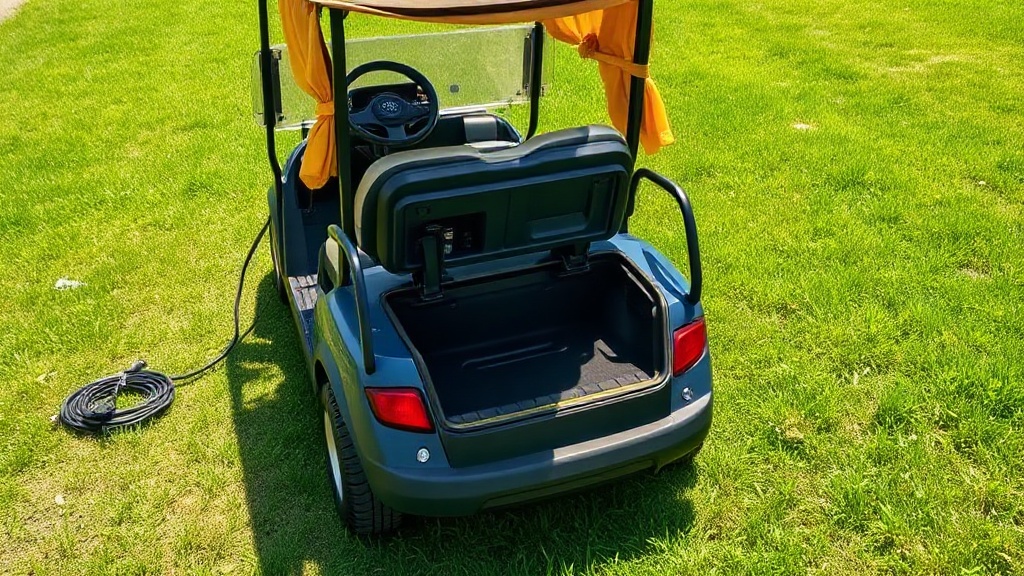
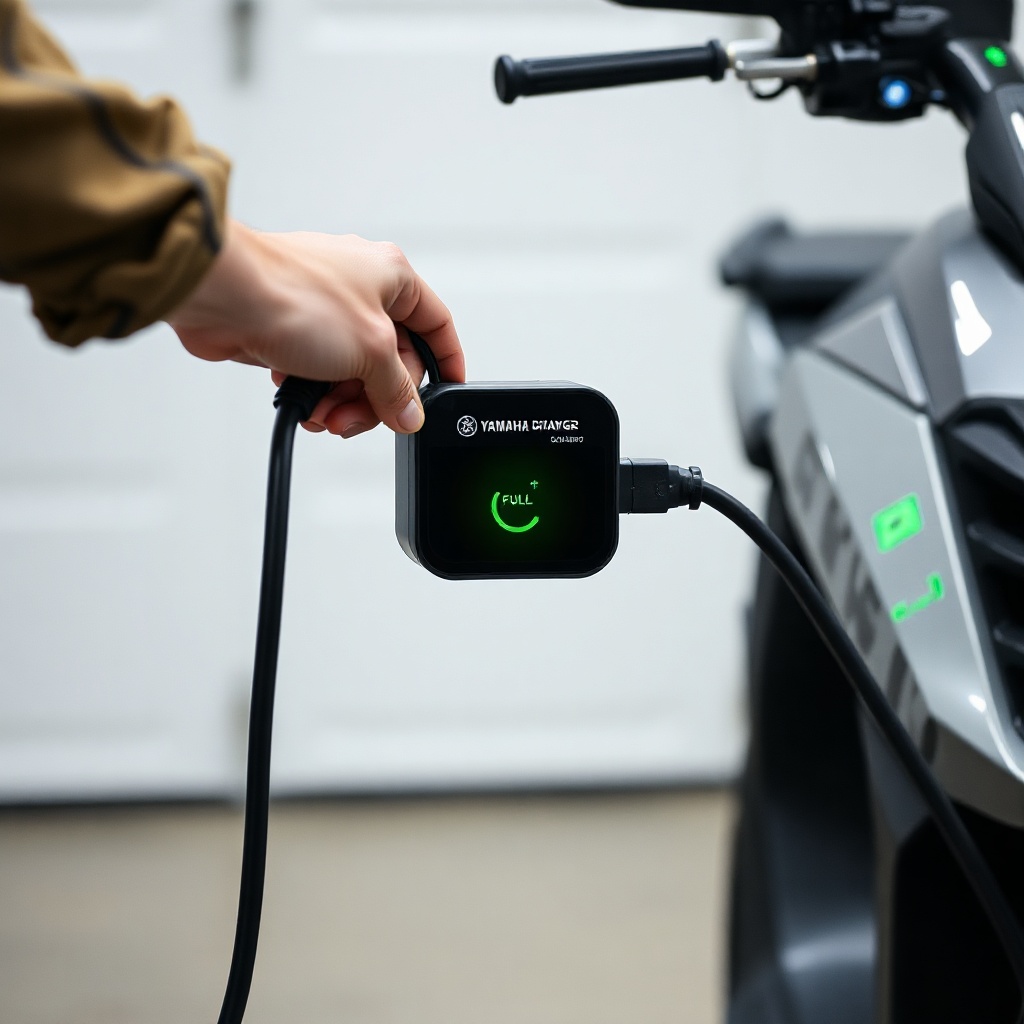
After converting to lithium, charging safety becomes simpler but still requires attention. The battery management system (BMS) in modern lithium packs handles overvoltage, undervoltage, and temperature protection, but owners should still follow best practices. Always use the dedicated lithium charger provided with your kit—never use a lead-acid charger, as it may not have the correct charging profile and can damage the BMS or cells.
Charge the battery in a well-ventilated area, away from flammable materials. While lithium batteries are safer than lead-acid in many ways, they can still generate heat if faulty. Inspect the charger and cables for damage before each use. Do not charge in extreme temperatures: lithium batteries charge best between 0°C and 45°C. If you live in a cold climate, consider a heated battery option or a storage solution.
For deeper guidance on maintaining your battery and charging system, our battery charging safety tips article provides comprehensive advice. Furthermore, if you notice any performance issues linked to voltage drops, ensure your brake system is in good condition, as dragging brakes can drain battery faster.
What Do Yamaha Drive2 PTV Owners Say About Lithium Conversions?
Feedback from the CartCraft community and golf cart forums is overwhelmingly positive. Owners frequently report a “night and day” difference in performance. Alan S., from East Sussex, shares: “I used to dread the end of a round when my cart would slow down. After putting in a 48V 100Ah lithium pack, it stays fast for the whole 18 holes. Charging takes less than three hours—I can even top up at lunch.”
Another owner, Maria G. from Kent, notes: “The weight saving is incredible. I can push my cart around the garage without struggling, and it’s so much easier on the grass. The acceleration uphill is noticeably better. It’s the best upgrade I’ve done.” However, some caution about the initial cost: “It’s expensive upfront, but considering I was replacing lead-acid every three years, the cost per year is actually lower with lithium,” writes James P. from Surrey.
Common praises include the elimination of battery maintenance, faster charging, and improved range. The only minor complaints involve the need for a compatible charger and the higher purchase price. Overall, satisfaction rates among those who convert exceed 90 per cent, with many saying they wish they had done it sooner.
Frequently Asked Questions
Q1: Can I use my existing lead-acid charger with a lithium battery in my Yamaha Drive2 PTV?
No. Lead-acid chargers have different voltage and current profiles that can damage lithium cells or trigger the BMS. Always use the charger that comes with your lithium conversion kit.
Q2: How long will a lithium battery last in a Yamaha Drive2 PTV?
Most quality lithium packs offer 2,000–5,000 charge cycles. With average use (charging once every 2–3 days), that translates to 10–15 years of service, far exceeding lead-acid’s 3–5 years.
Q3: Will a lithium conversion void my Yamaha Drive2 PTV warranty?
If the cart is still under warranty, check with your dealer. Many aftermarket conversions are allowed, but any damage caused by the conversion might not be covered. Professional installation reduces this risk.
Q4: Does a lithium battery require maintenance?
No. Lithium batteries are maintenance-free. There is no need to top up water, clean terminals regularly, or equalize charges. Just keep the terminals clean and ensure firm connections.
Q5: How much does a Yamaha Drive2 PTV weigh after lithium conversion?
A lead-acid Yamaha Drive2 PTV weighs about 250–300 kg (550–660 lbs). A lithium conversion reduces weight by 30–50 kg (66–110 lbs), resulting in a total weight of 200–250 kg (440–550 lbs), depending on the battery capacity.
Q6: Can I install the lithium battery myself, or should I hire a professional?
If you are comfortable with basic electrical work and the conversion kit includes clear instructions, DIY is possible. However, if you are unsure about wiring or mounting, professional installation ensures safety and proper integration. For related tasks, such as brake pad replacement or tyre changes, a professional can handle everything in one visit.