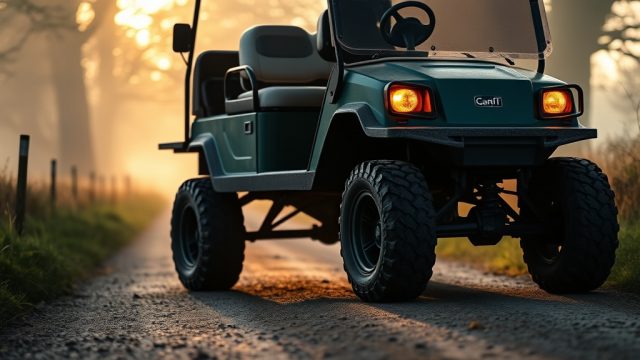
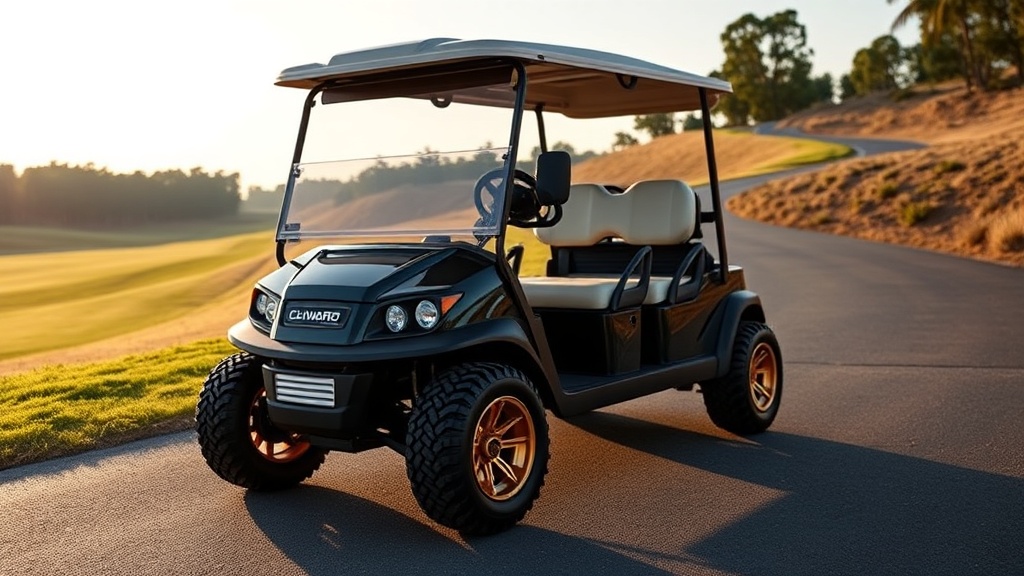
Why Tire Size Matters for Your Club Car Onward 4 Passenger
Selecting the right tire size for your Club Car Onward 4 Passenger isn’t just about looks—it directly affects speed, torque, ride comfort, and even battery range. The factory tires on this model are typically 18×8.5-8, which balance stability and efficiency for paved paths and light off-road use. However, many owners want to upgrade for taller stance, better traction on grass or sand, or a custom appearance. This guide breaks down the best tire size options based on your driving needs, lift kit requirements, and real-world performance trade-offs.
What Is the Factory Tire Size and Why Stick With It?
The Club Car Onward 4 Passenger comes standard with 18×8.5-8 tires. This size provides a good compromise between ride height, turning radius, and battery consumption. If you mostly drive on flat pavement, carry passengers, or want maximum range per charge, staying with the factory size is the most practical choice. It keeps the speed controller and motor operating within design specs, avoiding unnecessary strain on the drivetrain. For owners who only need replacement tires, look for tires with a load rating of at least 710 lbs (per tire) to accommodate the four-passenger weight.
An upgrade to a slightly wider tire, such as 20×10-8, can offer better stability on uneven terrain but may reduce range by 5–10% due to increased rolling resistance. For most casual users, the factory size remains the best all-rounder.
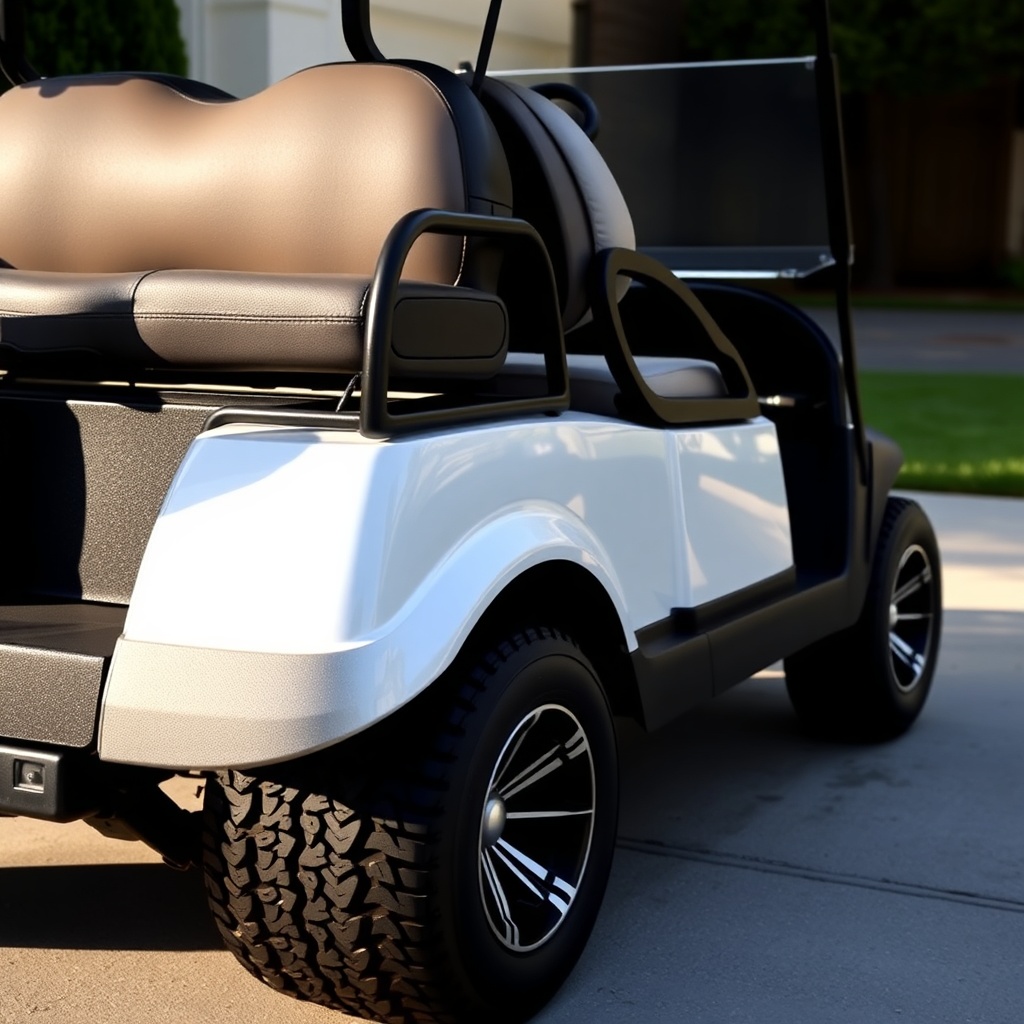
What Tire Size Works With a 3-Inch Lift Kit?
Installing a How to Install a Lift Kit on a Club Car Onward 4 Passenger opens up larger tire options. A 3-inch lift is common for this model because it allows fitting 22×11-10 tires without rubbing. This size dramatically improves ground clearance for off-road excursions on golf courses or property maintenance tasks. However, you’ll need a 10-inch wheel to accommodate the wider tire. Wheel offset matters: a negative offset (e.g., -25mm) pushes the tire outward for a more aggressive stance but can stress steering components.
Torque loss warning: Jumping from 18-inch to 22-inch tires reduces effective gear ratio by about 22%. This means your Onward will accelerate slower and climb hills less effectively unless you upgrade the motor controller or gear set. For 22-inch tires, consider a speed controller reflash—see our Tuning the Speed Controller on a Club Car Onward 4 Passenger guide for details.
| Lift Kit Height | Recommended Tire Size | Typical Wheel Size | Ground Clearance Gain |
|---|---|---|---|
| Stock (0″) | 18×8.5-8 | 8×7″ | Factory spec |
| 3″ lift | 22×11-10 | 10×7″ or 10×8″ | +2.5″ at axle |
| 4″ lift | 23×10.5-12 | 12×7″ | +3.5″ |
| 6″ lift | 26×12-12 | 12×8″ | +5.5″ |
For most Onward owners, a 3-inch lift with 22×11-10 is the sweet spot—noticeable off-road capability without drastically altering handling. Always test clearances at full suspension compression and full steering lock before committing.
What Tire Size Is Best for On-Road Performance?
If your Club Car Onward 4 Passenger spends most of its time cruising neighborhood streets or paved paths, prioritize low rolling resistance and quiet operation. The best tire size for on-road use is 20×10-8. This size sits between stock and off-road options. It slightly raises the top speed (by about 1–2 mph) without demanding a lift kit, though a small spacer may be needed to avoid frame contact at full turn. Look for tires with a “rib” or “turf” tread pattern rather than deep lugs—they produce less noise and vibration.
Wheel diameter: stick with 8-inch wheels to keep the unsprung weight low. Lighter wheels improve acceleration and braking. Avoid 12-inch wheels unless you chase purely cosmetic appeal, as they add weight that reduces battery range by up to 8%.
Speed effect: On a stock Onward with 18-inch tires, your true speed matches the speedometer fairly closely. Swapping to 20-inch tires increases true speed by about 5% (e.g., 19 mph indicated becomes 20 mph actual). For speed tuning tips, see Tuning the Speed Controller on a Club Car Onward 4 Passenger.
How Does Tire Size Affect Battery Life and Charging?
Larger tires demand more torque to spin, which pulls more current from the battery pack. For the Onward’s 48V system, switching from 18-inch to 22-inch tires can increase average current draw by 15–25%, reducing range by 10–15 miles per charge. This is especially noticeable on hills or with a full load of four passengers. To mitigate this, maintain proper tire pressure (18–22 psi depending on size) and keep your batteries fully charged—refer to Club Car Onward 4 Passenger Battery Charging Tips for Long Life to optimize charging habits.
If you frequently run larger tires, consider upgrading to lithium batteries. They handle higher discharge rates better than lead-acid and recharge faster. Some owners report regaining nearly all lost range by switching to lithium with 22-inch tires. However, the initial cost (around £800–£1,200 for a quality lithium pack) may not be worth it if you only drive short distances.
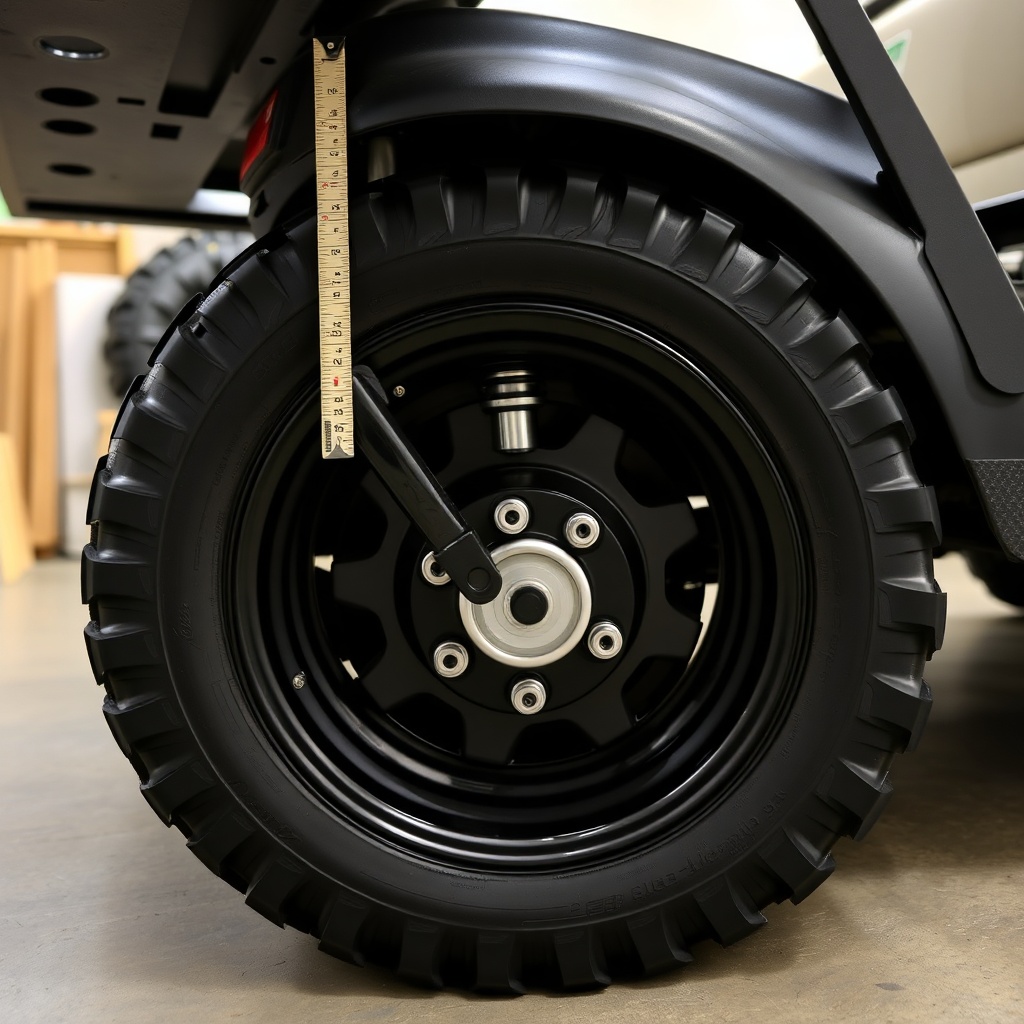
What Do Owners Say About Tire Upgrades?
Real-world feedback from Club Car Onward 4 Passenger owners reveals two common themes. First, those who installed 22-inch tires without a controller upgrade often complain about sluggish acceleration, especially when climbing inclines with four people aboard. One owner noted, “It feels like the cart is struggling to get out of its own way—fine on flat ground, but hill starts are a chore.” Second, owners who paired a 3-inch lift with 20×10-8 tires and a speed controller tune reported a “perfect balance” of off-road confidence and on-road speed. Many emphasize that tire choice should match intended use: if you rarely leave pavement, stick with 20×10-8 or even stock size to avoid unnecessary drivetrain strain.
A consistent tip: always replace all four tires at once to maintain uniform traction. Mixing tires can confuse the speed sensor on later Onward models (2020+), leading to erratic speed control.
What Are the Drawbacks of Going Too Big?
Choosing 26-inch tires with a 6-inch lift may look impressive, but the downsides for a four-passenger cart are significant. Steering geometry becomes compromised—turning radius increases by up to 15%, making parking on trails or narrow paths frustrating. The front suspension arms may contact tires at full compression, requiring limiting straps. More critically, the motor can overheat on long climbs under heavy load. Most Club Car specialists recommend staying at 23 inches or smaller for the Onward 4 Passenger unless you install a high-torque motor kit (which can cost £500+). If you’re considering a larger lift, read our How to Install a Lift Kit on a Club Car Onward 4 Passenger guide for step-by-step clearance measurements.
Also account for stored height: a lifted Onward may not fit through standard garage doors (typical height 7 ft). Measure your garage clearance before committing to a 6-inch lift with 26-inch tires.
How to Match Tires to Your Typical Terrain
- Paved paths mostly: 18×8.5-8 or 20×10-8 with rib/turf tread. Low noise, good range.
- Grass and light dirt: 20×10-8 or 22×11-10 with all-terrain tread. Good traction without excessive rolling resistance.
- Heavy off-road or mud: 23×10.5-12 with deep lug pattern. Requires 4-inch lift and possible controller upgrade.
- Mostly snow/loose sand: 22×11-10 with wide footprint. Lower tire pressure (15–18 psi) provides flotation.
If you’re still deciding between models, consult the 2025 Golf Cart Buying Guide: Yamaha vs Club Car vs EZGO to compare how tire upgrades affect resale value and warranty coverage across brands.
Frequently Asked Questions
What is the largest tire I can fit on a stock Club Car Onward 4 Passenger?
Without a lift kit, the maximum recommended tire size is 20×10-8, but you may need wheel spacers (1-inch) to prevent frame contact at full steering lock. Do not exceed 20-inch diameter without verifying clearance.
Will larger tires void my Club Car warranty?
Yes, if the tires or lift kit cause damage to drivetrain components. Club Car generally covers defects, but modifications often void coverage for related parts. Check your dealer’s policy.
Do I need to reprogram the controller after changing tire size?
It’s advisable. Larger tires change the speed signal sent to the controller. Without recalibration, the speedometer will be inaccurate, and the regenerative braking may behave unpredictably. Many dealers charge £60–£90 for a controller reflash.
How much does a set of four tires and wheels cost for this cart?
For a standard set of 20×10-8 tires on steel wheels, expect £250–£400. Alloy wheels and premium tires can cost £500–£700. Lifted setups with 22-inch tires on alloy wheels run £600–£900. Installation adds £50–£100 if you don’t DIY.
Can I use ATV tires on my Onward 4 Passenger?
You can, but ATV tires often have stiffer sidewalls that reduce ride comfort on pavement. They also wear faster on asphalt. Stick with tires designed for golf carts (load range C or D) for best results.
How does tire pressure affect handling with larger tires?
Too high (over 22 psi): harsh ride, reduced traction. Too low (under 15 psi): sidewall flex, poor steering response, and increased battery drain. Start at 20 psi for 22-inch tires and adjust by 1 psi increments until you find a comfortable ride without squirming.