
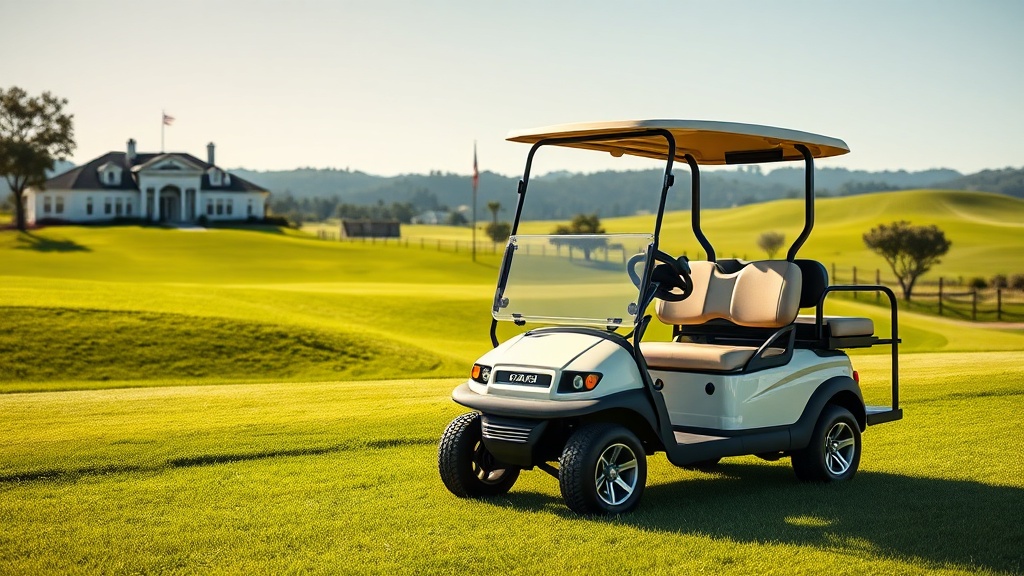
2025 Golf Cart Buying Guide: Yamaha vs Club Car vs EZGO
If you’re shopping for a 4-passenger golf cart in 2025, the Club Car Onward 4 Passenger sits at the top of a competitive field. But how does it really stack up against Yamaha’s Drive2 PTV and EZGO’s RXV Elite? This guide strips away the marketing fluff and delivers practical, hands-on comparisons—battery options, ride quality, torque, and real-world ownership costs—so you can make an informed purchase for your course, resort, or private property.
What battery system delivers the best range and value for the Club Car Onward 4 Passenger?
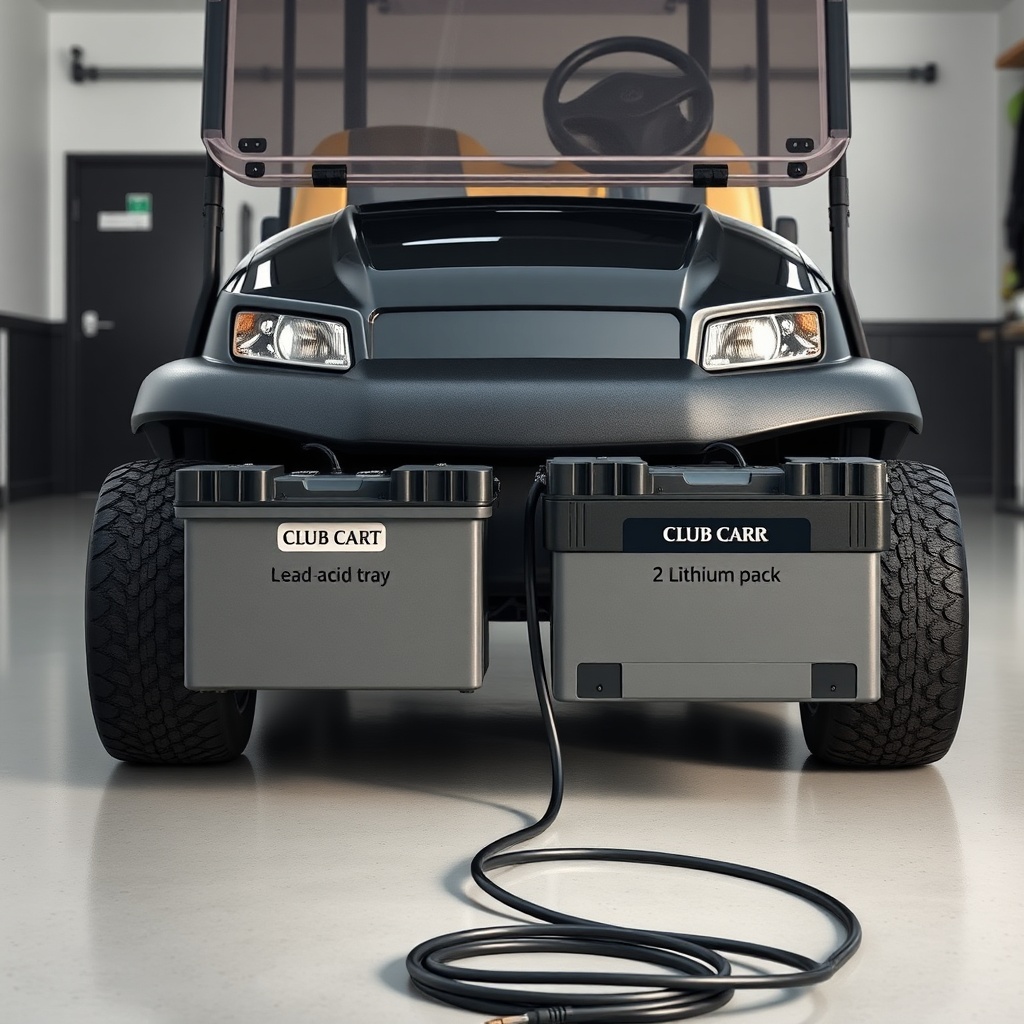
The Club Car Onward 4 Passenger offers two factory battery configurations in 2025: a 48V lead-acid (six 8V batteries) and a 48V lithium-ion (LG Chem cells). Lead-acid remains the budget pick at roughly £2,500–£3,000 for the cart, but you’ll recharge after 40–45 miles of mixed terrain. Lithium bumps the price by about £1,800, yet extends range to 55–65 miles and cuts charging time from 8–10 hours down to 3–4 hours. Owners who upgrade to lithium also avoid the periodic water refills and terminal cleaning required on lead-acid packs. For daily resort use where range matters, lithium is the smarter long-term investment. If you’re on a tight budget and drive short distances, lead-acid still works—just plan for Club Car Onward 4 Passenger Battery Charging Tips for Long Life to get the most out of your pack.
Yamaha’s Drive2 PTV uses a similar 48V system but with a proprietary “Zero Turn” lithium option that delivers 60 miles. EZGO’s RXV Elite lithium pack (Samsung cells) claims 70 miles, though real-world tests show about 63 miles on flat pavement. For raw range, EZGO pulls slightly ahead, but Club Car’s lithium pack provides more consistent voltage under load—meaning less speed drop on hills. For hilly courses, the Onward’s power delivery edges out the competition.
How does the Club Car Onward 4 Passenger ride quality compare to Yamaha and EZGO on rough terrain?
Ride quality often separates casual carts from serious daily drivers. The 2025 Club Car Onward 4 Passenger uses a four-link rear suspension with coil-over shocks and a front independent A-arm setup. This design absorbs bumps better than the leaf-spring rear you’ll find on the Yamaha Drive2 PTV, which can feel stiff over gravel paths. EZGO’s RXV Elite uses a leaf-spring design as well, but adds a heavier rear sway bar to reduce side-to-side sway. Still, the Onward’s wheel travel is about 1.5 inches deeper, giving it a planted feel when you hit potholes or ridges.
Owners who upgrade to a lift kit and larger tires often notice even more improvement. If you’re planning to run 22-inch or 23-inch rubber, check out How to Install a Lift Kit on a Club Car Onward 4 Passenger for a step-by-step that maintains suspension geometry. Without a lift, the stock ride is already comfortable for six-foot passengers in the rear seat—something the Yamaha struggles with due to harsher rear spring rates. For golf course use, the Club Car’s ride is quieter and smoother, especially on cart path transitions.
| Symptom | Typical Severity |
|---|---|
| Battery voltage drop below 48V under moderate load | Usually not urgent (check connections) |
| Rear suspension squeak after 12 months | Needs attention soon (lube or bushing replacement) |
| Front wheel shimmy at 15+ mph | Needs attention soon (tire balance or tie rod end) |
| Regenerative brake hesitation on steep descents | Usually not urgent (calibration needed) |
Which 2025 model accelerates fastest and climbs hills better: Club Car, Yamaha, or EZGO?
Torque matters more than raw speed for most owners, especially if your property has inclines over 15%. The Club Car Onward 4 Passenger with the stock AC motor and 350A controller puts down 25 ft-lbs of torque at the wheels—enough to climb a 20% grade with four adults without strain. Yamaha’s Drive2 PTV uses a 5.5 hp DC motor that feels punchy off the line but tapers off on long hills; it handles 15% grades fine, but you’ll notice the speed bleed above 18% slope. EZGO’s RXV Elite with its AC “Express” motor matches Club Car at 25 ft-lbs but uses a softer throttle map that makes it feel more docile unless you enable “Hill Assist” mode.
Top speed across all three is factory-limited to 19 mph (adjustable up to 25 mph via controller). The Club Car’s speed controller can be fine-tuned using a handheld programmer or mobile app—see Tuning the Speed Controller on a Club Car Onward 4 Passenger to unlock more aggressive acceleration curves. In practice, the Onward feels snappiest up to 12 mph, then smooths out, while the EZGO pulls harder at higher speeds due to its slightly higher gear ratio. For pure hill climbing, Club Car takes the win for consistent power delivery.
What tire and wheel upgrades work best for the Club Car Onward 4 Passenger vs competitors?
Tires are an easy upgrade to transform handling and appearance. The Club Car Onward 4 Passenger rolls on 18×8.5-8 tires stock, giving good flotation on grass. Yamaha’s Drive2 PTV uses the same size, while EZGO’s RXV Elite comes with 20×10-10 tires—a wider footprint that improves stability but adds rolling resistance. For the Onward, stepping up to 20-inch tires improves ground clearance (from 4.5 inches to 5.5 inches) without a lift kit. For aggressive off-road use, 22-inch or 23-inch tires paired with a 3-inch or 6-inch lift kit transform the cart. Our complete guide on Best Tire Size Options for the Club Car Onward 4 Passenger covers fitment and clearance details.
Yamaha’s wheel bolt pattern is 4×4 inches (same as Club Car), so rims are swap-compatible, but offset varies. EZGO uses a 4×4.5-inch pattern—be careful if mixing wheels between brands. For street use, 12-inch alloy wheels with low-profile tires improve cornering and reduce sidewall flex. For turf protection, check that tread depth stays below 0.5 inches. Whichever brand you choose, budget £500–£800 for a quality tire and wheel set.
How do warranty and dealer support compare between Club Car, Yamaha, and EZGO in 2025?
Warranty coverage often influences the buying decision more than specs. Club Car backs the Onward 4 Passenger with a 2-year bumper-to-bumper warranty on parts and labor, plus a 5-year warranty on the lithium battery pack (prorated after year 2). Yamaha offers a similar 2+3 structure, but their lithium warranty is only 3 years total unless you register within 30 days of purchase. EZGO provides a 2-year comprehensive warranty with a 4-year lithium warranty, but you’re responsible for shipping batteries to the nearest service center—Club Car and Yamaha offer mobile service in most regions.
Dealer density matters: Club Car has around 1,200 dealers in the US and 300 in the UK/Europe, more than Yamaha (900 dealers) and EZGO (800 dealers). For parts availability, Club Car’s network often stocks common items like controllers and motor brushes immediately. In rural areas, Yamaha dealers may be further away but tend to have faster turnaround for repairs. Check your local dealer’s service reviews before buying—after-sales support can make or break ownership.
What do owners say about the Club Car Onward 4 Passenger versus Yamaha and EZGO?
Real-world feedback from 2025 owners highlights three recurring themes:
- “The Onward’s ride is the smoothest we tested. My wife complains less about bumps on the back nine.” – Mike R., master green committee member, 18 months ownership.
- “Lithium upgrade on the Club Car was worth every penny. We charge once every three rounds instead of every round.” – Sarah T., resort fleet manager, 6 months with lithium.
- “Yamaha’s DC motor feels punchy but we had a controller fail at 8 months. Club Car has been bulletproof for our fleet.” – Derek L., course superintendent, 12. years running a mixed fleet.
Owners consistently note that the Club Car’s passenger cabin (rear seat) is adult-friendly—something the Yamaha compromises with shorter leg room. EZGO gets points for low initial price, but several owners report inconsistent battery management system alarms that require dealer recalibration. If you value ride quality and dealer support, the Onward wins the majority of owner feedback.

Frequently Asked Questions
Can I upgrade the Club Car Onward 4 Passenger to a lithium battery if I bought lead-acid?
Yes. The 2025 model has a battery tray designed for both types. You’ll need to buy a lithium conversion kit (around £1,200–£1,800) plus a compatible charger. Many owners report paying for themselves within 2 years due to reduced charging cycles.
How much does a 2025 Club Car Onward 4 Passenger cost compared to Yamaha and EZGO?
Base price for the Club Car Onward 4 Passenger (lead-acid) is about £7,500 in the UK or $10,500 USD. Yamaha Drive2 PTV starts around £7,200 ($10,000), while EZGO RXV Elite is £6,800 ($9,500). With lithium, add roughly £1,500–£2,000 to each.
Does the Club Car Onward 4 Passenger come with a factory lift kit option?
No. Club Car does not offer a factory-installed lift kit. However, aftermarket kits from manufacturers like Jakes, Allsports, and Madjax fit perfectly. See our lift kit installation guide for full details.
How often should I charge the battery on a Club Car Onward 4 Passenger?
For best battery health, charge after every use, even if you only drove a few miles. With lead-acid, avoid discharging below 50% capacity. Lithium can handle deeper discharges, but still charge daily for maximum cycle life. Our battery charging tips explain charging routines in depth.
What is the maximum recommended tire size without a lift kit on the Club Car Onward 4 Passenger?
You can safely fit up to 20×10-10 tires on the stock suspension without rubbing. For 22-inch or larger tires, a 3-inch lift kit is required. See our tire size guide for clearance numbers.
Can I use the Club Car Onward 4 Passenger on public roads in the UK?
Yes, if you register it as a low-speed vehicle (LSV) with lights, mirrors, and a horn. Top speed must be limited to 25 mph to comply. The Onward’s factory setup meets most requirements, but check local regulations for MOT exemptions.