

EZGO RXV Elite No Start: Troubleshooting the Most Common Causes
When your EZGO RXV Elite refuses to start, it’s rarely a catastrophic failure—more often it’s a simple electrical or safety interlock issue. This guide walks through the most frequent culprits, from battery voltage checks to controller diagnostics, so you can get back on the course or around the property without unnecessary expense.
1. Is the Battery Pack Below the Critical Voltage Threshold?
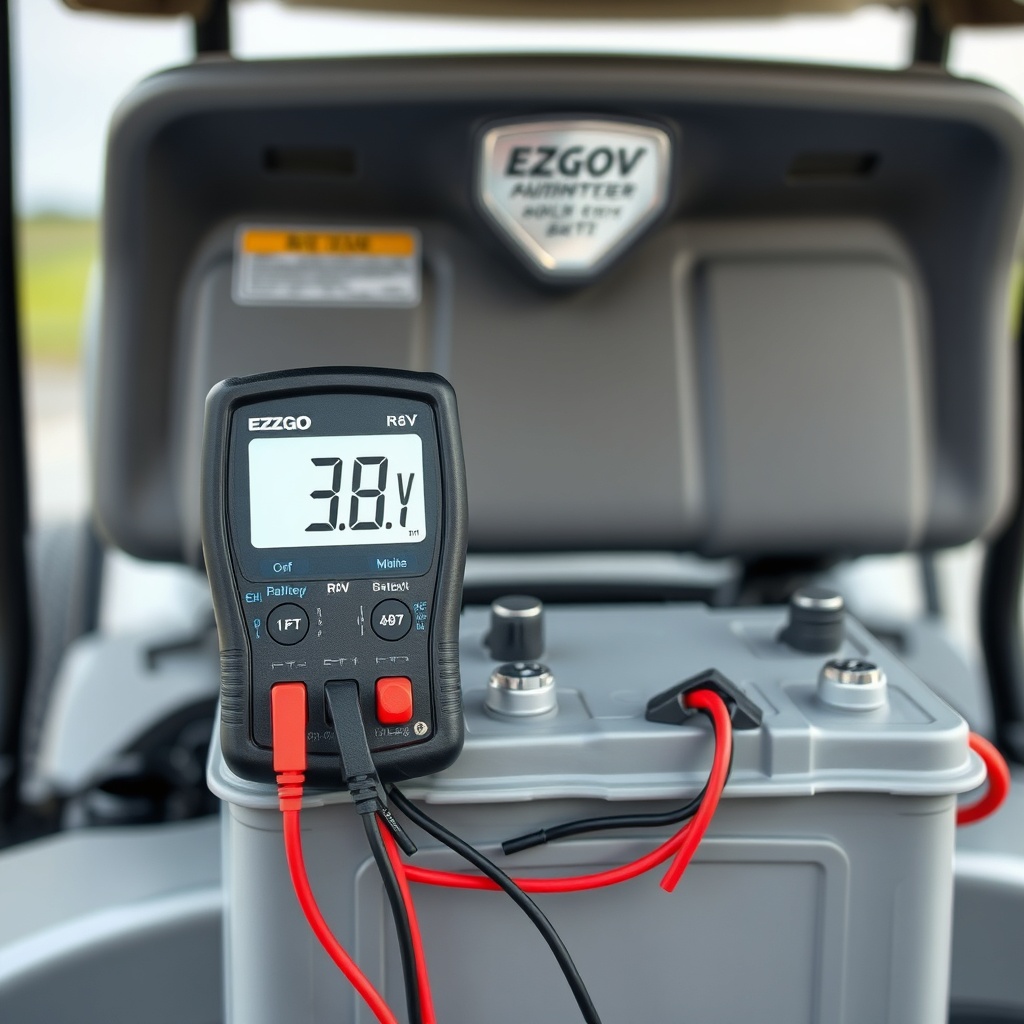
The EZGO RXV Elite’s Curtis controller is programmed to prevent start-up if the battery pack voltage drops below approximately 38.4V (for a 48V system). This safety feature protects the lithium or lead-acid batteries from deep discharge damage. Use a digital multimeter to measure voltage at the battery terminals with the charger disconnected and the cart idle. If you’re seeing 37.5V or lower, the controller will likely refuse to engage the motor. Charge the pack fully (target 50.9V–51.2V for lead-acid; 54.6V for lithium) and retry. Even a slightly weak cell in a lead-acid pack can drag the whole bank down—check individual battery voltages under a light load.
2. Are the Run/Tow Switch and Key Switch in the Correct Positions?
It sounds basic, but the Run/Tow switch on the controller cover is often bumped into the “Tow” position during cleaning or battery maintenance. In Tow mode, the controller disables all motor functions. Also, the key switch can develop internal resistance or intermittent contact—especially in carts exposed to rain or humidity. Turn the key to “On” and listen for a faint relay click near the controller. No click? Wiggle the key while watching the dashboard light. If the light flickers, replace the switch (part #603529, about £25–£35). A multimeter continuity test between the key switch terminals in the On position confirms it’s working.
3. Is the Foot Pedal Interlock Switch Faulty?
The RXV Elite uses a non-contact pedal position sensor (a Hall-effect sensor) rather than a traditional microswitch. However, there is still a physical interlock switch—the “pedal box switch”—that must be closed when the pedal is pressed. This switch is mounted inside the pedal box and can fail due to debris, corrosion, or a broken plastic actuator. Symptoms: the solenoid clicks but the motor doesn’t engage, or the cart tries to creep but then cuts out. Inspect the switch for visible damage and test continuity: with the pedal fully depressed, the switch should show near-zero resistance. Replacement runs about £15–£20 and is a ten-minute job.
4. Could the Controller Be in a Lockout or Fault State?
The Curtis 1212 or 1215 controller in the RXV Elite stores fault codes that can prevent start-up. If the battery voltage is fine and all switches are correct, access the controller’s diagnostic LED. On early models, the LED is visible through a small hole in the cover; on newer versions, it’s under a clear dome. Count the flash pattern: 1 flash = under-voltage, 2 flashes = over-voltage, 3 flashes = motor fault, 4 flashes = throttle fault, 5 flashes = controller internal fault. A steady red LED means a high-current fault (check motor and cable connections). Clearing a fault sometimes requires disconnecting the battery pack for 30 minutes, then reconnecting. For persistent fault 3 or 4, inspect the motor speed sensor connector (often loose) and the pedal sensor harness.
5. Is the Brake System or Parking Brake Interfering with Start?
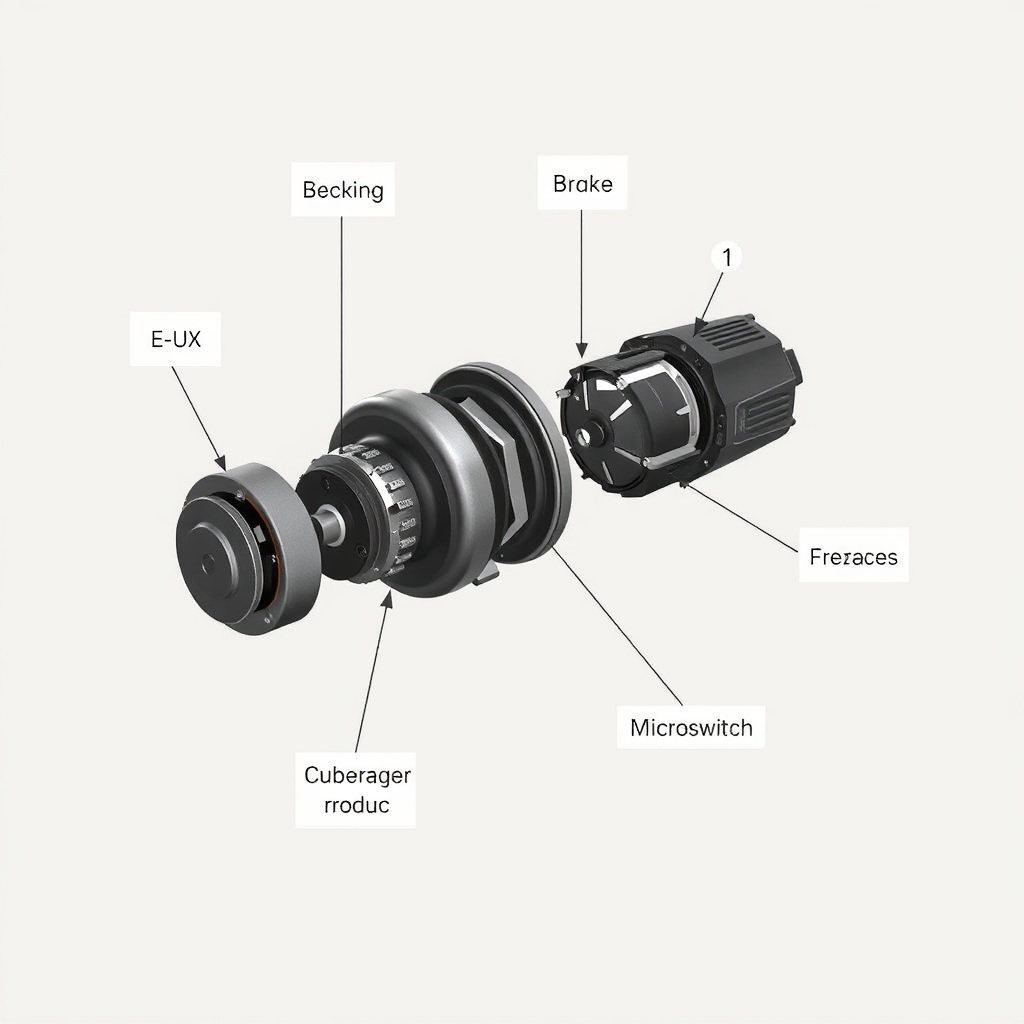
The RXV Elite’s park brake (electric motor brake) is tied to the start sequence. If the brake isn’t fully released, or its microswitch is misaligned, the controller may not allow the cart to start. Listen for a distinct “click” or whir when you depress the pedal—this is the brake releasing. If it’s silent, check the 5-amp fuse in the brake circuit (located near the controller, sometimes in a small inline holder). Also inspect the brake lever and cable for binding. A seized brake can mimic a dead cart. For more on how the brake system interacts with the motor, see our detailed guide on Understanding the Regenerative Braking System in EZGO RXV Elite.
6. Are the Main Solenoid or Pre-Charge Resistor Working?
The main solenoid (contactor) connects the battery pack to the controller when the pedal is pressed. If it fails to close, the cart gets no power. Check for 48V at the solenoid’s large terminals (input side should be hot; output side should show voltage only when the pedal is pressed). A weak pre-charge resistor (typically 200–470 ohms, 10W) can prevent the controller’s capacitors from charging, causing the solenoid to chatter or not close at all. Test the resistor with a multimeter: if it reads open (infinite resistance), replace it. Solenoid part #705060-G01 is common and costs about £40–£50.
Severity Quick-Reference Table
| Issue | Severity Level | Likely Cause |
|---|---|---|
| Low battery voltage (38.4V or less) | Usually Not Urgent | Needs a full charge; possible cell imbalance |
| Run/Tow switch in wrong position | Usually Not Urgent | Switch bumped during maintenance |
| Key switch intermittent | Needs Attention Soon | Corroded contacts; replacement advised |
| Pedal interlock switch faulty | Needs Attention Soon | Physical damage or debris; replace switch |
| Controller fault code (LED pattern) | Needs Attention Soon | Diagnose via flash pattern; may need dealer |
| Park brake not releasing or seized | Needs Attention Soon | Check fuse, microswitch, or cable binding |
| Main solenoid or pre-charge resistor failed | Needs Attention Soon | Replace solenoid or resistor |
What Owners Say
Regular RXV Elite users on golf cart forums report that the “no start” issue often traces back to the simplest things. One owner noted his cart wouldn’t start after a deep washdown—the key switch had moisture inside. He dried it with a hairdryer and it’s been fine for two years. Another shared that his cart would only start after jiggling the Run/Tow switch, which turned out to be a loose nut on the switch mount. A third owner with a lithium conversion discovered his BMS (battery management system) had tripped due to low temperature, preventing start—a subtle cause many miss.
Frequently Asked Questions
- How do I reset the controller on my EZGO RXV Elite after a no-start? Disconnect the negative battery cable, wait 30 minutes, then reconnect. This clears most temporary fault codes. If the LED still shows a pattern, use the diagnostic guide above.
- Can a bad motor speed sensor cause a no-start? Yes. The controller monitors motor speed to confirm the park brake released. A failed sensor (common part #601379) often triggers fault code 3. Check the 3-pin connector near the motor for corrosion or a broken wire.
- Why does my RXV Elite click but not move? The click is likely the solenoid engaging, but the controller may not be enabling the motor due to a throttle fault or low battery voltage. Measure battery voltage under load (<14V per 8V battery indicates a bad cell).
- How often should I check battery water on the RXV Elite? For lead-acid batteries, check monthly. Use distilled water only, and fill to just above the plates. Never overfill—expansion during charging can cause overflow. Our guide on How to Check and Refill Battery Water on EZGO RXV Elite covers this in detail.
- Is regenerative braking related to the no-start issue? Indirectly. If the regen brake system is stuck engaged, the controller may not allow start-up. See the brake system section above and our article on the Understanding the Regenerative Braking System in EZGO RXV Elite for deeper diagnostics.
- What tools do I need to troubleshoot a no-start? At minimum: a digital multimeter, a set of wrenches (10mm, 13mm), and a screwdriver set. A load tester for batteries is helpful for diagnosing weak cells.