
How Does the Regenerative Braking System Work on the EZGO RXV Elite?
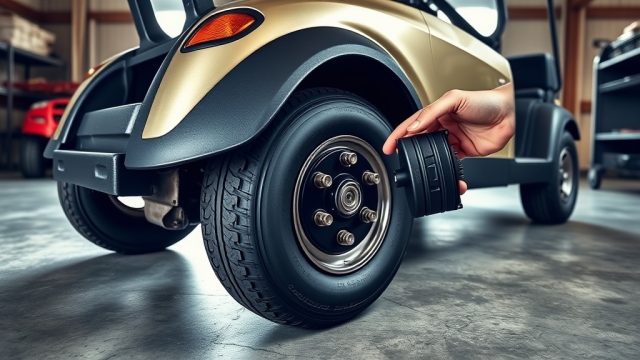
The EZGO RXV Elite uses a motor-to-generator conversion for regenerative braking. When you lift your foot off the accelerator, the AC induction motor reverses its role, becoming a generator that converts the cart’s kinetic energy into electrical energy. This energy is sent back to the batteries, effectively slowing the cart while recharging the pack. The system is controlled by the Curtis controller, which manages the intensity of the regen force based on pedal position and speed. Unlike mechanical brakes that rely on friction, this system uses electromagnetic resistance to decelerate, reducing wear on pads and drums.
In practice, you’ll feel a noticeable slowdown when you release the pedal—similar to a light engine brake in an electric car. The EZGO RXV Elite’s regen is calibrated to engage smoothly at speeds above 8 mph (12.9 km/h). Below that, the system tapers off, and the mechanical brakes take over for final stopping. This dual-stage approach ensures you don’t get an abrupt jolt when parking at low speeds, while still capturing energy during normal driving.
Why Does the EZGO RXV Elite Have a “Creep” When Regen Engages?
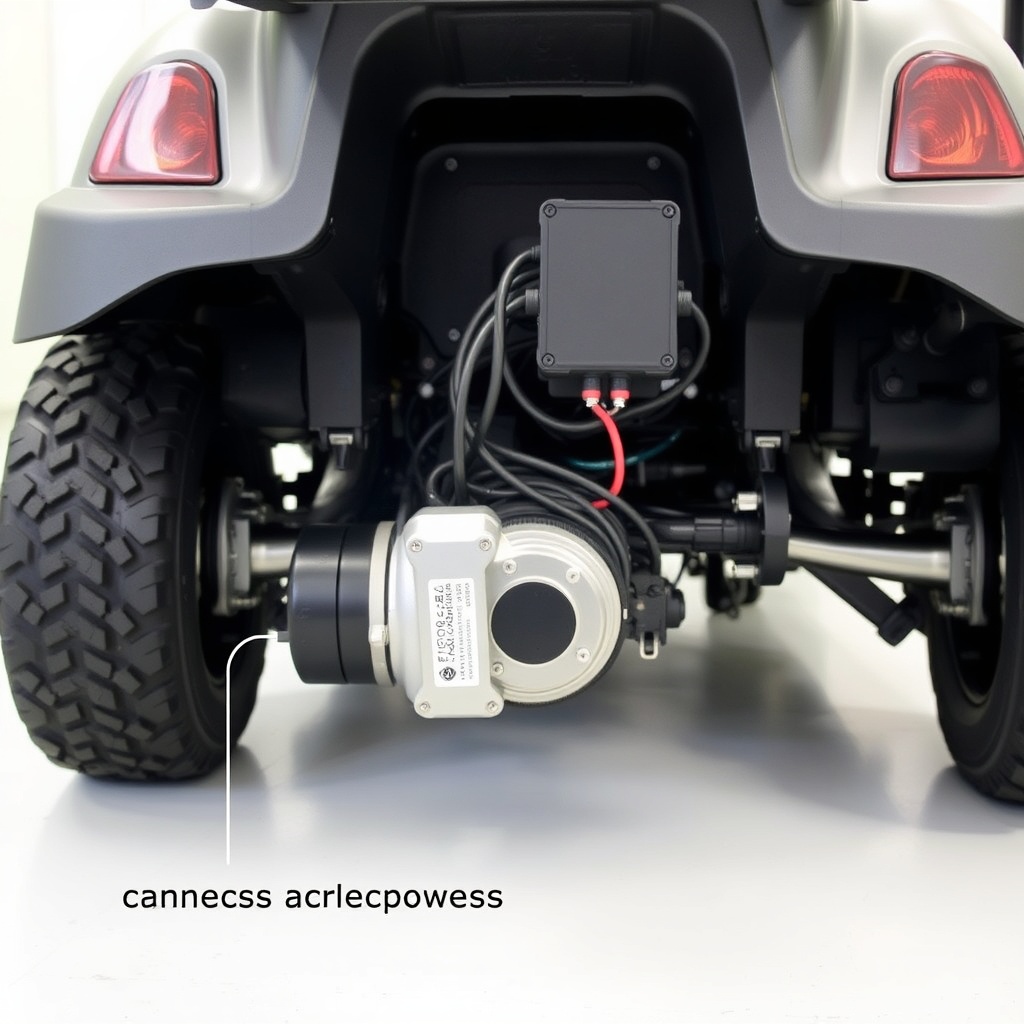
Some owners notice a slight “creep” sensation when regenerative braking engages after releasing the accelerator. This isn’t a defect—it’s the controller’s programming adjusting the regen torque curve. The EZGO RXV Elite’s system is designed to provide a linear deceleration feel. However, at very low speeds (under 5 mph or 8 km/h), the electrical regeneration efficiency drops off. To compensate, the controller applies a light mechanical brake drag, which can create a subtle forward pull if the cart is on an incline.
If the creep feels excessive, check your battery voltage and cable connections. Low voltage (below 48V at rest) can cause the controller to reduce regen output, making the mechanical brakes work harder. A quick diagnostic with a multimeter at the battery pack terminals (48V nominal) will confirm if the system is balanced. You can also adjust the regen strength via the Curtis handheld programmer—set the “Regen Brake Torque” parameter between 30% and 50% for a smoother feel. Keep in mind that reducing regen also reduces energy capture and increases brake pad wear.
- Check battery state-of-charge before suspecting a regen issue.
- Clean all high-current connections; corrosion reduces regen efficiency.
- Test regen on a flat surface first to isolate grade effects.
Can Regenerative Braking Drain the Battery on the EZGO RXV Elite?
Yes, but only in a specific scenario—if you overuse regenerative braking on long, steep descents. When the battery is fully charged (above 60V on a fully charged 48V pack), the controller cannot safely send energy back into the pack. To protect the batteries from overvoltage, it dumps excess energy as heat through a resistor block mounted near the controller. This process actually consumes battery power to run the cooling fan and dissipate heat, creating a net drain rather than a gain.
To avoid this parasitic loss, avoid descending long hills (more than 200 feet vertical drop) with a fully charged battery. On courses with steep hills, start the day with a battery at around 80-90% state of charge (roughly 50.5–51.5V at rest). The regen system then caches that energy effectively, giving you a net range boost of 10-15% on hilly terrain. If you often drive in hilly environments, you may also want to upgrade to a larger resistor block (available from EZGO for about $85 USD) to improve thermal management.
What Sounds Are Normal for the EZGO RXV Elite Regenerative Braking System?
A soft whine or low-frequency hum when decelerating is normal—it’s the motor generating electrical current. You might also hear a brief click from the controller’s internal contactor as regen engages (usually within one second of foot lift). However, a high-pitched screech, a grinding noise, or a rhythmic thumping is not normal. Those sounds typically indicate mechanical issues: worn brake shoes, loose hardware, or a failing wheel bearing. The regen system itself is nearly silent; most noise comes from the mechanical components working in tandem.
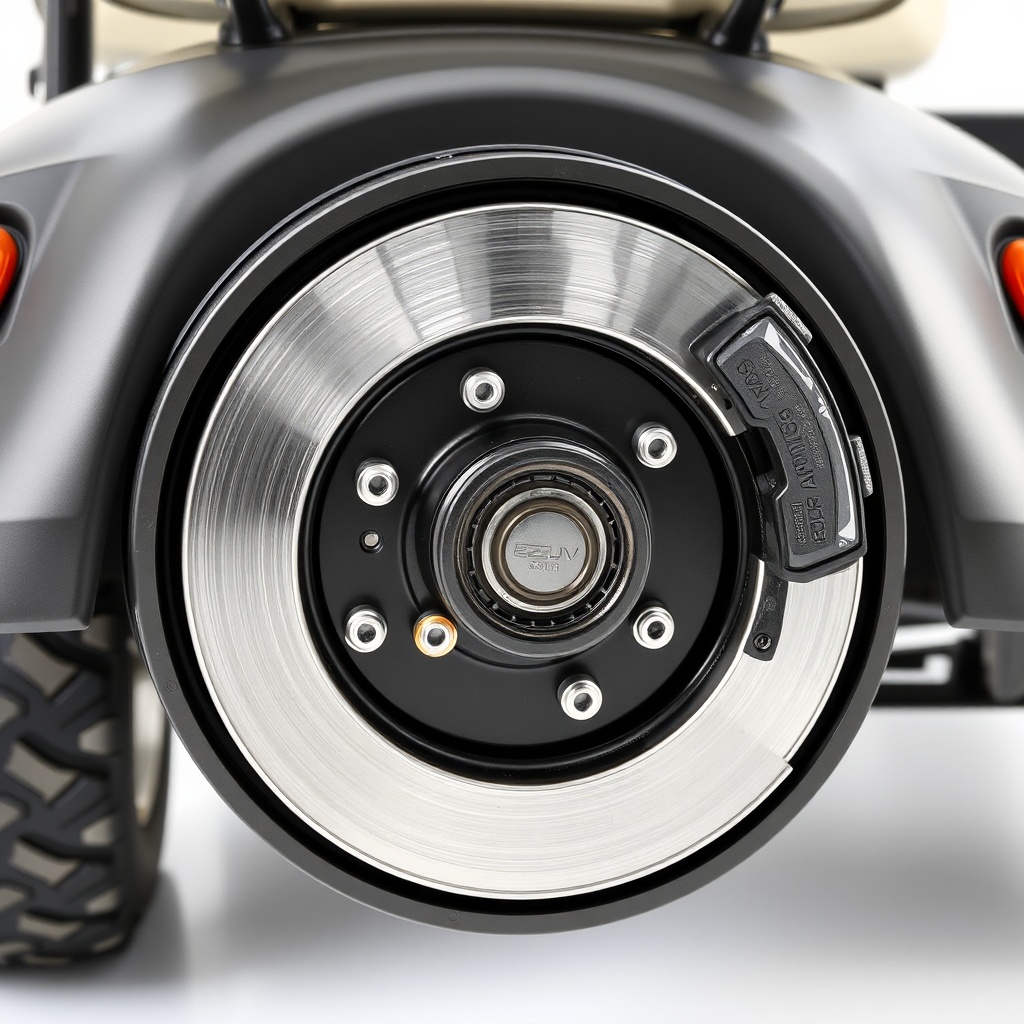
If you hear a sharp squeal when braking from high speed (above 15 mph or 24 km/h), first check the rear drum brakes—your shoes may be glazed. The EZGO RXV Elite uses 7-inch diameter drums. Resurfacing the drums or replacing the shoes (about $40 USD per axle) can eliminate noise. Another common culprit is the differential gear whine transmitting through the axle, which can be amplified by regen drag. That’s usually harmless but worth a shop inspection if it becomes loud enough to hear over conversation.
How Do You Test the Regenerative Braking System on an EZGO RXV Elite?
Testing regen requires two steps: a voltage check and a road test. First, set a digital multimeter to DC volts and probe the controller’s B+ terminal (positive) and B- terminal (negative) while the cart is off. A reading of 48V to 52V is normal for a charged pack. Then, with the cart on a flat surface and the key on, accelerate to 12 mph and release the pedal completely. Watch the voltage on the meter—it should rise by 3-5V for a moment as regen dumps current back. If the voltage stays flat or drops, the regen circuit may be disconnected or the controller has a fault.
For a more thorough test, use a Curtis handset (or an aftermarket diagnostic tool, about $200 USD) and read the “Regen Brake Current” parameter. It should show 20-40 amps during deceleration from 12 mph. If the current is below 10 amps, inspect the motor field wiring for loose connections at the motor terminals (labeled A1 and A2). A common failure is a broken wire in the harness near the controller because of vibration, leading to intermittent regen—this is a simple solder fix if you’re handy.
What Maintenance Does the Regenerative Braking System Need on the EZGO RXV Elite?
Regen itself requires no direct maintenance—it’s a software and electrical feature. But the components supporting it need regular care. The resistor block (usually a grey box near the controller) collects dirt and can overheat if airflow is blocked, so clean it with compressed air every 50 hours of use. Also, inspect the cooling fan for the controller—if it’s stuck, the regen system may cut out due to thermal protection. Replace faulty fans (about $30 USD) promptly.
Every battery service interval (monthly for flooded lead-acid), check the motor-to-controller cables for tightness. Torque to 8–10 Nm for 8mm bolts; loose cables cause voltage drops that reduce regen effectiveness. For the mechanical brakes, the shoes should be inspected every six months or 200 hours. Even with regen, they still engage at low speeds, so adjust the brake cable tension if the pedal travels more than 2 inches before resistance. Detailed steps are in our companion article How to Check and Refill Battery Water on EZGO RXV Elite, which covers battery care that directly affects regen efficiency.
| Severity of Regen Issue | Description & Action to Take |
|---|---|
| Usually Not Urgent | Soft whine on deceleration, minor creep on hills, voltage rise < 2V during regen. Check battery charge, clean connections, adjust pedal feel via controller at next service. Not an immediate safety risk. |
| Needs Attention Soon | No regen feel at all, screeching or grinding sounds, voltage drop instead of rise during deceleration, overheating resistor block (>180°F / 82°C). Inspect wiring for breaks, replace worn brake shoes, test controller with handheld. Do not rely on regen for stopping—use mechanical brakes until resolved. |
What Owners Say About the EZGO RXV Elite Regenerative Braking
Owner from Arizona: “My 2023 EZGO RXV Elite has great regen on flat ground—I can feel the cart slowing down smoothly. But on our steep driveway, it drags the battery down fast if I start full. I now charge to 85% before a hilly round, and I’m getting almost 20% more range.”
Owner from Florida: “At first I thought the regen was broken because it didn’t stop the cart completely. Then I learned it only works above 8 mph. Now I understand—it’s just a helper. The brake shoes wear out fast if you ride the regen hard on downhills. I replaced mine at 300 miles and the drums looked fine. Check the adjustment screw every oil change.”
Frequently Asked Questions
Does regenerative braking completely stop the EZGO RXV Elite?
No. Regen slows the cart but does not replace mechanical brakes. It works down to about 5 mph; below that, the mechanical brakes do the final stop. Always press the brake pedal when coming to a complete stop.
Can I disable regenerative braking on my EZGO RXV Elite?
Technically yes, via the Curtis controller programmer by setting regen current to 0 amps. However, this is not recommended—regen provides critical speed control on slopes and reduces brake wear. Disable only for diagnostics.
How much range does regenerative braking add on an EZGO RXV Elite?
On flat courses, about 5-10%. On hilly terrain with frequent stops, up to 15-20%. Actual gain depends on driving style, battery age, and terrain profile.
Why does my EZGO RXV Elite’s regen stop working after going through deep water?
Water in the electrical connectors or controller can cause the regen circuit to short or disable. Dry out all connections with compressed air and check for corrosion. If regen doesn’t return after drying, your controller may need replacement—costs about $400-500 USD.
Does cold weather affect the EZGO RXV Elite’s regenerative braking?
Yes. Cold batteries (below 50°F / 10°C) have higher internal resistance, so the controller limits regen current to avoid damage. You’ll notice weaker regen until the battery warms up after 10-15 minutes of driving.
How does regenerative braking affect brake pad wear on the EZGO RXV Elite?
It significantly reduces wear—many owners report brake shoes lasting 500-800 miles instead of 200-300 without regen. Still, inspect them every 6 months, as the mechanical brakes handle low-speed stops.