Why Upgrade Your CartCraft Golf Cart to Lithium Batteries?
For owners of CartCraft golf carts, the shift from traditional lead-acid batteries to lithium-ion technology represents a significant leap in performance and convenience. This conversion not only extends your driving range but also slashes charging time, allowing you to spend more time on the course or the community. In this guide, we’ll explore how a CartCraft lithium battery conversion delivers superior range and faster charging, transforming your golf cart experience.
How Much More Range Can You Expect with a Lithium Battery Conversion?
A lithium battery conversion for your CartCraft golf cart typically provides a 30–50% increase in usable range compared to a standard lead-acid setup. For example, a standard 48V lead-acid pack might offer 25–30 miles per charge, while a quality lithium alternative can deliver 40–45 miles under similar conditions. This is because lithium batteries maintain a higher voltage throughout the discharge cycle, meaning your cart stays efficient for longer. Additionally, lithium batteries are lighter—often 50–70% less weight—reducing the overall load on the motor and increasing efficiency.
Range gains also depend on your driving habits and terrain. For flat golf courses or paved neighbourhoods, expect the higher end of that range. If you frequently tackle hills, the consistent power output of lithium helps maintain speed without the voltage sag common with lead-acid units. For more on optimising your cart’s performance, see our guide on CartCraft Golf Cart Tire Pressure Tips: Optimal PSI for Performance and Safety.
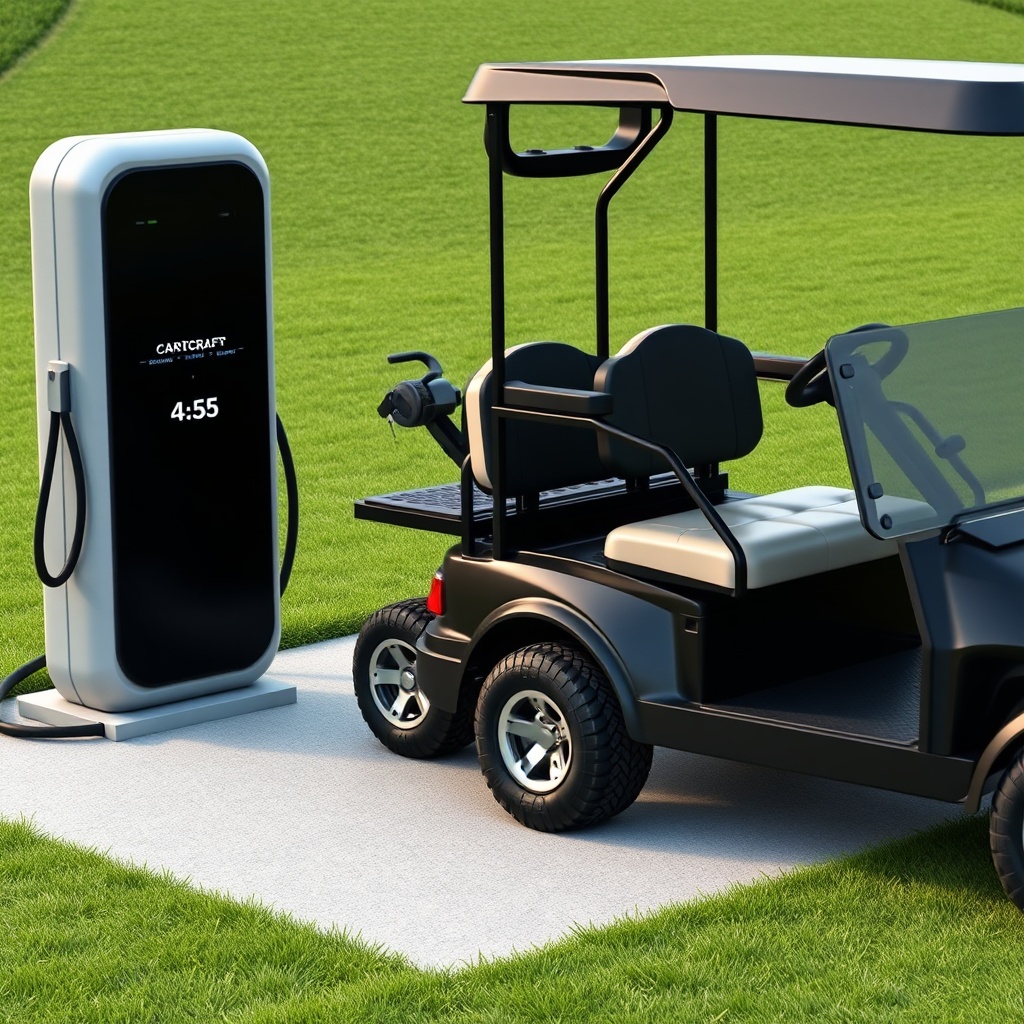
How Much Faster Is Charging with a CartCraft Lithium System?
Charging time is one of the most compelling reasons to convert. A standard lead-acid battery on a CartCraft cart often requires 8–12 hours for a full charge. With a lithium battery conversion, that time drops dramatically to just 2–4 hours. Even partial charging is far quicker—a 50% top-up can be achieved in under an hour in many cases. This is thanks to lithium’s ability to accept higher charge currents without damage, backed by an integrated Battery Management System (BMS) that regulates the process.
The speed gain is especially valuable for busy operators like golf course fleet managers or homeowners who rely on their cart daily. You can plug in for a quick charge between rounds or errands, rather than leaving the cart overnight. To maximise battery life during charging, consider ambient temperature—as explained in How Temperature Affects Battery Charging on CartCraft Golf Carts.
What Is the Total Cost of a CartCraft Lithium Battery Conversion?
In the UK, a complete lithium battery conversion kit for a CartCraft golf cart typically ranges from £1,200 to £2,500, depending on the brand and capacity (e.g., 100Ah to 200Ah packs). This includes the battery pack, BMS, mounting hardware, and often a compatible charger. Professional installation adds £150–£300, but many owners handle it themselves with basic tools.
To help you decide, here’s a comparison table of typical costs and benefits versus lead-acid:
| Feature | Lead-Acid (Standard) | Lithium (Conversion) |
|---|---|---|
| Battery Pack Cost (48V) | £600–£1,000 (replacement set) | £1,200–£2,500 (kit) |
| Lifespan | 3–5 years | 8–12 years |
| Charge Time (Full) | 8–12 hours | 2–4 hours |
| Range per Charge | 25–30 miles | 40–45 miles |
| Weight (48V pack) | ~120 kg | ~40 kg |
| Maintenance Needed | Water top-ups, terminal cleaning | None (BMS monitored) |
| Total Cost Over 10 Years* | £1,800–£3,500 | £1,500–£2,800 |
*Includes two lead-acid replacements and one lithium purchase. Note that lithium may offer better total cost of ownership due to longer life and no maintenance.
What Key Factors Affect Charging Speed and Battery Health?
Several variables influence how fast your CartCraft lithium battery charges and how long it lasts. First, the charger type matters—most lithium kits come with a smart charger that communicates with the BMS for optimal current. Using a generic charger can slow charging or harm the battery. Second, temperature plays a crucial role. Lithium batteries charge best between 50°F (10°C) and 113°F (45°C). Below freezing, charging may slow or be blocked by the BMS to prevent damage. Check our article on How Temperature Affects Battery Charging on CartCraft Golf Carts for more details.
Third, your cart’s electrical system—especially cable gauge and connections—should be upgraded for higher current. Many kits include heavy-duty cables. Finally, avoid deep discharges below 20% regularly, as this can reduce cycle life. The BMS typically prevents over-discharge, but frequent deep cycles shorten lifespan. For battery water maintenance on lead-acid models, see How to Maintain Battery Water Levels on a CartCraft Golf Cart—though lithium eliminates this chore entirely.
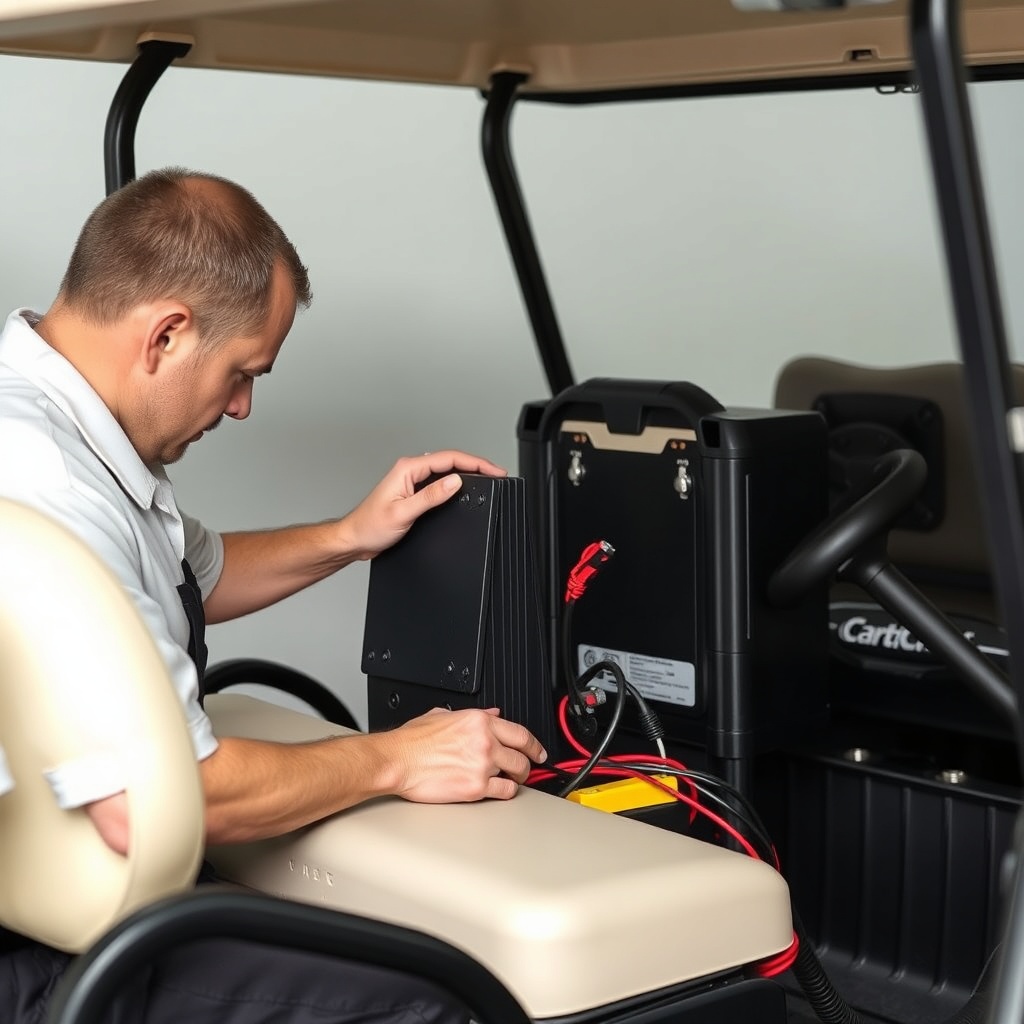
How Does Tire Size Affect Range with a Lithium Conversion?
Your CartCraft golf cart’s tire size has a direct impact on range and performance, especially after a lithium upgrade. Larger tires (e.g., 22 inches versus standard 18 inches) increase rolling resistance and require more energy to turn, reducing range by up to 10–15% despite the lithium battery’s efficiency. Conversely, smaller tires (e.g., 18 inches) improve efficiency and range slightly, but may lower top speed. With the consistent power from lithium, the effect is less pronounced than with lead-acid, but still noticeable.
If you’ve converted to lithium, you might consider adjusting tire pressure or size to optimise your new setup. For a detailed breakdown, refer to How Tire Size Affects Speed and Range on CartCraft Golf Carts and How Tire Size Affects Speed and Range on CartCraft Golf Carts: Performance Metrics. These guides explain how to balance speed, range, and torque for your specific needs.
What Owners Say About CartCraft Lithium Conversions
Many CartCraft owners in the UK report high satisfaction after upgrading to lithium. Simon from Kent says: “I converted my 2020 CartCraft and now get 42 miles per charge, compared to 28 before. Charging takes just three hours—a game changer for the morning golf round.” Emma from Hampshire adds: “The weight saving is incredible. My cart handles hills better, and no more checking water levels.” However, a few note the upfront cost: “It’s not cheap, but over five years I save on replacements and time,” says James from Surrey.
Common themes include less maintenance, fewer trips to the socket, and better acceleration. For fleet owners, payback is often within 2–3 years due to reduced downtime. Some also mention that pairing the battery with proper tire pressure—as in CartCraft Golf Cart Tire Pressure Tips: Optimal PSI for Performance and Safety—further improves efficiency.
Frequently Asked Questions
1. Will a lithium battery fit in my existing CartCraft golf cart?
Yes, most conversion kits are designed to fit standard battery trays, though some require adapters. Always check dimensions for your specific model year.
2. How long does the installation take?
DIY installation typically takes 2–4 hours. Professional installation can be done in 1–2 hours. The kit includes clear instructions.
3. Does the lithium battery require special charging infrastructure?
No, you can use a standard household socket (230V in the UK). The kit includes a smart charger that plugs into a typical outlet.
4. Can I use the lithium battery in cold weather?
Yes, but charging may be limited below 32°F (0°C) to protect the cells. Discharging works normally down to -4°F (-20°C).
5. What is the warranty on a CartCraft lithium conversion kit?
Most reputable brands offer a 5-year warranty on the battery and BMS. Some extend to 8 years with proof of proper use.
6. Will the conversion affect my cart’s speed?
Generally, yes—lithium provides a slight increase in top speed (1–3 mph) due to the higher sustained voltage, but this varies by motor and controller.