How Temperature Affects Battery Charging on CartCraft Golf Carts
Proper battery charging is fundamental to the performance and lifespan of any golf cart, and CartCraft models are no exception. Temperature, often an overlooked variable, directly impacts how lead-acid and lithium-ion batteries accept charge, their capacity, and their overall health. This article explores the critical role temperature plays in the CartCraft battery charging process, providing owners with actionable insights to maximise battery life and efficiency throughout the year.
Understanding these effects can help prevent costly premature battery failures and ensure your CartCraft golf cart remains reliable on the course or around the neighbourhood. From freezing winter mornings to scorching summer afternoons, each season presents unique challenges that every CartCraft owner should know.
Why Does Temperature Affect CartCraft Battery Charging Performance?
Chemical reactions within the battery are the core of energy storage and release. These reactions are highly sensitive to temperature. In a CartCraft golf cart, whether equipped with standard flooded lead-acid batteries or newer AGM or lithium options, the internal resistance and voltage characteristics shift with temperature.
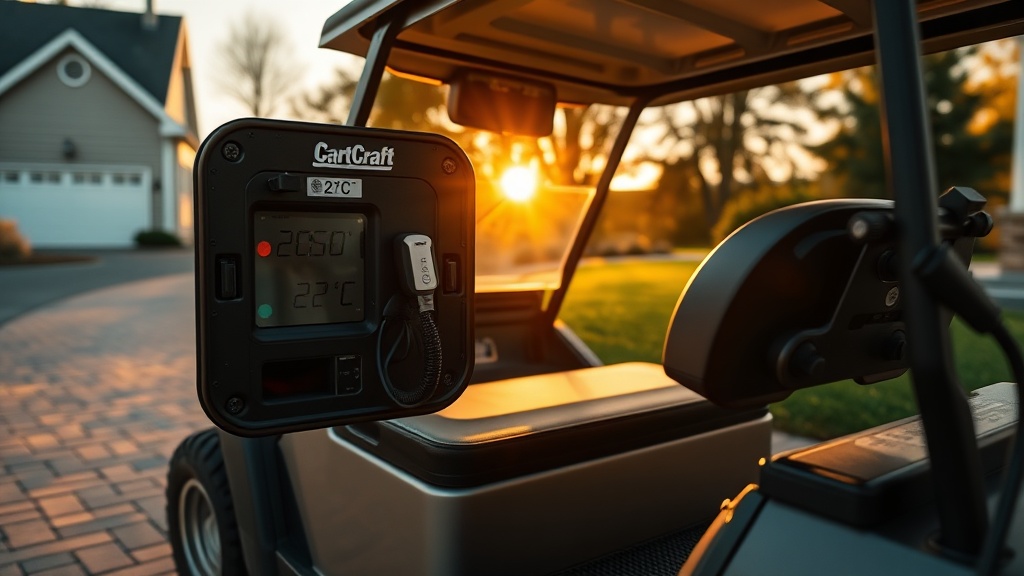
In colder conditions (below 10°C), the electrolyte becomes thicker and less conductive, slowing the chemical reaction. This means the battery accepts charge less efficiently and may show a false “full” reading due to elevated voltage, while actually being undercharged. Conversely, high temperatures (above 35°C) accelerate chemical activity, reducing internal resistance but also increasing the rate of side reactions like corrosion and water loss. This can lead to overcharging if the charger’s compensation is not adequate, permanently damaging the plates and reducing capacity. For CartCraft owners, using a charger with temperature sensing or compensation is highly recommended, particularly in climates with extreme seasonal shifts.
For a deeper understanding of battery care, consider exploring our guide on How to Maintain Battery Water Levels on a CartCraft Golf Cart.
What Is the Optimal Temperature Range for Charging a CartCraft Golf Cart?
Manufacturers generally specify an ideal charging temperature range. For CartCraft’s lead-acid batteries, the optimal charging ambient temperature is typically between 20°C and 25°C (68°F to 77°F). Within this range, the battery accepts charge most efficiently, and the internal chemical reactions occur at the ideal rate, minimising gassing, heat generation, and plate stress.
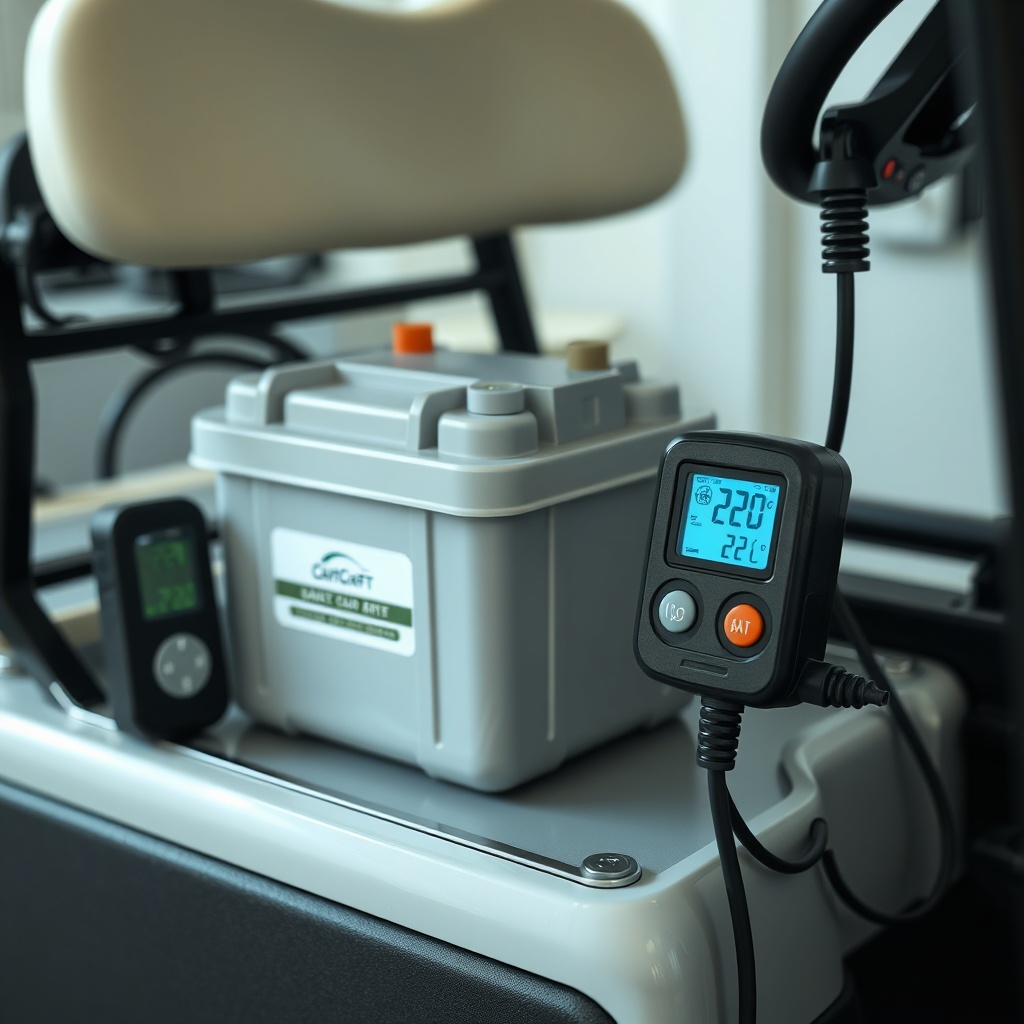
For CartCraft models equipped with lithium-ion battery packs, the acceptable range is often slightly wider, typically 0°C to 45°C (32°F to 113°F) for charging. However, charging below 0°C can cause irreversible damage to lithium cells due to lithium plating, so many advanced CartCraft battery management systems (BMS) prevent charging in sub-zero conditions. Always consult your specific CartCraft owner’s manual for exact recommendations, but the table below provides general guidelines.
How Does Cold Weather Shorten CartCraft Battery Range During Charging?
Cold weather does not technically reduce the battery’s total energy capacity permanently, but it does reduce its usable capacity during discharge. A lead-acid battery at -10°C (14°F) might only deliver 60% of its rated capacity compared to at 25°C. This effect is often mistaken for battery degradation. For CartCraft owners, this means a fully charged battery will deplete much faster in cold conditions, and the charging process itself may take longer as the charger works to overcome the increased internal resistance.
Moreover, if a cold battery is charged with a standard charger not equipped with temperature compensation, it will be undercharged. The charger sees a slightly elevated voltage (due to cold internal resistance) and may terminate the charge prematurely. Over time, repeated undercharging in cold weather leads to significant capacity loss, known as “sulfation” in lead-acid batteries. A simple solution is to store and charge CartCraft batteries in a temperature-controlled environment whenever possible, or to use a smart charger that adjusts voltage based on battery temperature.
What Are the Signs of Temperature-Related Battery Damage on a CartCraft?
Identifying heat-related or cold-related damage early can save significant replacement costs. For CartCraft batteries, the most common visual signs include:
- Bulging or Swelling of the Battery Case: This is particularly common in hot climates or from chronic overcharging. It indicates internal pressure build-up and gas generation from thermal runaway. A bulging battery must be replaced immediately.
- Corroded or Melted Terminal Posts: Excessive heat from poor connections or high resistance charging can cause terminals to melt or become heavily corroded with a blue or white powder.
- Discoloured or Cracked Electrolyte (Lead-Acid): A dark, cloudy, or oily appearance indicates contamination from plate degradation, often accelerated by high-temperature charging.
- Excessive Water Consumption: In flooded lead-acid batteries, if you are adding water more than once a month, it often points to overcharging from a charger that is not temperature-compensated.
- Reduced Range: If the CartCraft’s range drops sharply after a hot or cold spell, the battery chemistry may have been permanently affected.
Proper maintenance, such as checking tire pressure, can also influence range. See our guide on CartCraft Golf Cart Tire Pressure Tips: Optimal PSI for Performance and Safety for complementary information.
How Should You Adjust CartCraft Charging Practices for Each Season?
Seasonal adjustments are key to extending the life of your CartCraft’s battery pack. Below is a practical table summarising recommended changes:
| Season | Typical Temperature Range | Charger Setting/Recommendation | Expected Charge Time Change | Battery Care Action |
|---|---|---|---|---|
| Winter (Cold) | Below 10°C | Use temperature-compensated charger; allow battery to warm to 10°C+ before charging if possible. | +30% to 50% longer | Charge immediately after use while battery is warm; store above freezing. |
| Spring/Autumn | 10°C to 25°C | Standard automatic charger cycle; check water levels (lead-acid) every 2 weeks. | Standard (6-8 hours for deep cycle) | Monitor terminal cleanliness; perform equalisation charge monthly (lead-acid). |
| Summer (Hot) | Above 30°C | Reduce absorption voltage by 0.3V per 10°C (if manual charger); use charge timer to avoid leaving on charger unattended. | -10% to 20% shorter | Top up water levels more frequently (weekly); ensure adequate ventilation. |
Note: Always follow CartCraft’s specific charger manual for precise voltage adjustments. For lithium-ion packs, the BMS handles most of this automatically, but still avoid charging in direct sunlight above 45°C.
What Owners Say About Temperature and CartCraft Battery Charging
Many CartCraft owners share their experiences on forums and social groups, and temperature is a recurring theme. A common sentiment from owners in northern climates is the noticeable drop in usable range during winter, with some reporting a 40% reduction on cold days despite a “full” charge indicator. Several owners recommend investing in a battery blanket or insulating the battery compartment to mitigate cold effects. Conversely, owners in the southern US or Australia frequently mention shortened battery lifespan (3-4 years instead of 5-6) due to high summer temperatures, even with good maintenance. They emphasise the importance of checking water levels more often and keeping the battery out of direct sunlight. One experienced CartCraft owner on a community forum noted: “My biggest mistake was not buying a charger with temperature compensation. Once I switched, my six-year-old set lasted two more years without any issues.”
For those looking to personalise their carts, understanding battery health is also important when adding electrical accessories. Check our article on Customizing Your CartCraft Golf Cart with LED Lights and Accessories to ensure your battery can handle the extra load.
Frequently Asked Questions About Temperature and CartCraft Battery Charging
Can I charge my CartCraft battery in freezing temperatures?
For lead-acid batteries, it is possible but not recommended below -10°C. Charging at extremely low temperatures (below 0°C) can cause mechanical stress and increase the risk of freeze damage. For lithium-ion CartCraft packs, most modern BMS units prevent charging below 0°C to avoid permanent damage. Always warm the battery to at least 10°C before charging if possible.
How hot is too hot when charging a CartCraft golf cart battery?
If the battery temperature exceeds 50°C (122°F) during charging, stop the charge immediately. This indicates thermal runaway or a charger malfunction. For normal operation, the battery should not exceed 45°C during charging. High charging temperatures above 40°C significantly accelerate grid corrosion and water loss.
Does leaving my CartCraft on the charger in hot weather damage the battery?
Yes, prolonged overcharging or high-end stage charging in hot weather can cause excessive water loss and plate corrosion. Most smart chargers enter a maintenance or float mode, but if the charger is not temperature-compensated, the float voltage in hot weather can still be too high, causing slow damage. It’s best to disconnect the charger once the battery is fully charged in hot conditions.
Should I adjust the charger voltage for my CartCraft battery in summer?
Yes, if you have a manual charger or one without automatic temperature compensation, you should lower the absorption voltage by approximately 0.03 volts per degree Celsius above 25°C. For example, at 35°C, reduce the absorption voltage by 0.3V from the standard setting. Consult your CartCraft battery manufacturer’s datasheet for exact values. Most modern smart chargers do this automatically.
Does tire pressure affect battery range in temperature extremes?
Absolutely. Under-inflated tires increase rolling resistance, which forces the motor to draw more power from the battery. This effect is compounded in cold weather when battery capacity is already reduced. Maintaining proper tire pressure is crucial for maximising range. Learn more in our article about How Tire Size Affects Speed and Range on CartCraft Golf Carts and How Tire Size Affects Speed and Range on CartCraft Golf Carts.
How often should I check water levels in my CartCraft battery during hot weather?
In summer, check water levels in flooded lead-acid batteries every one to two weeks. High temperatures cause increased water evaporation, and frequent charging heats the electrolyte. Always use distilled water, and never let the plates be exposed to air for extended periods.