
CartCraft Golf Cart Tire Pressure Tips: Optimal PSI for Performance and Safety
Proper tire pressure is a cornerstone of CartCraft golf cart safety, performance, and longevity. Overlooking this vital aspect can lead to uneven wear, reduced range, and even dangerous handling, especially on uneven terrain. This guide explores how maintaining the correct PSI in your CartCraft’s tyres protects your investment and enhances every ride.
Whether you drive on pavement, grass, or gravel, the ideal tyre pressures differ for standard and lifted models. We examine the science behind pressure, seasonal adjustments, and how to spot trouble before it costs you. Let’s roll into the details that keep your CartCraft rolling smoothly.
What Is the Optimal Tyre Pressure for a Standard CartCraft Golf Cart?
For most standard CartCraft golf carts equipped with 18- or 20-inch tyres, the recommended cold tyre pressure falls between 18 and 22 PSI for the front wheels and 20 to 24 PSI for the rear wheels. This slight bias toward the rear accounts for the weight of passengers and cargo, such as golf bags or groceries. Always check pressures when tyres are cold—ideally after the cart has rested for at least three hours—as heat from driving can increase readings by several PSI.
Manufacturers often stamp a maximum pressure on the tyre sidewall (e.g., 35 PSI), but that figure is the upper limit for load capacity, not a daily driving recommendation. Running at the maximum can reduce traction and make the ride jarring. Conversely, pressures below 15 PSI increase rolling resistance, accelerate sidewall flexing, and can cause premature tyre failure. For carts used on golf courses, 20 PSI all around is a safe baseline, but check your owner’s manual for model-specific guidance.
How Does Tyre Pressure Affect CartCraft Handling and Battery Range?
Underinflated tyres create more rolling resistance, forcing the motor and batteries to work harder. On a typical CartCraft electric model, a drop of 5 PSI below the recommended level can reduce driving range by 10-15% per charge cycle. This is particularly relevant for lithium-ion equipped carts, where efficiency margins are already tight. Overinflated tyres, meanwhile, reduce the contact patch, leading to skittish steering and a harsher ride over bumps.
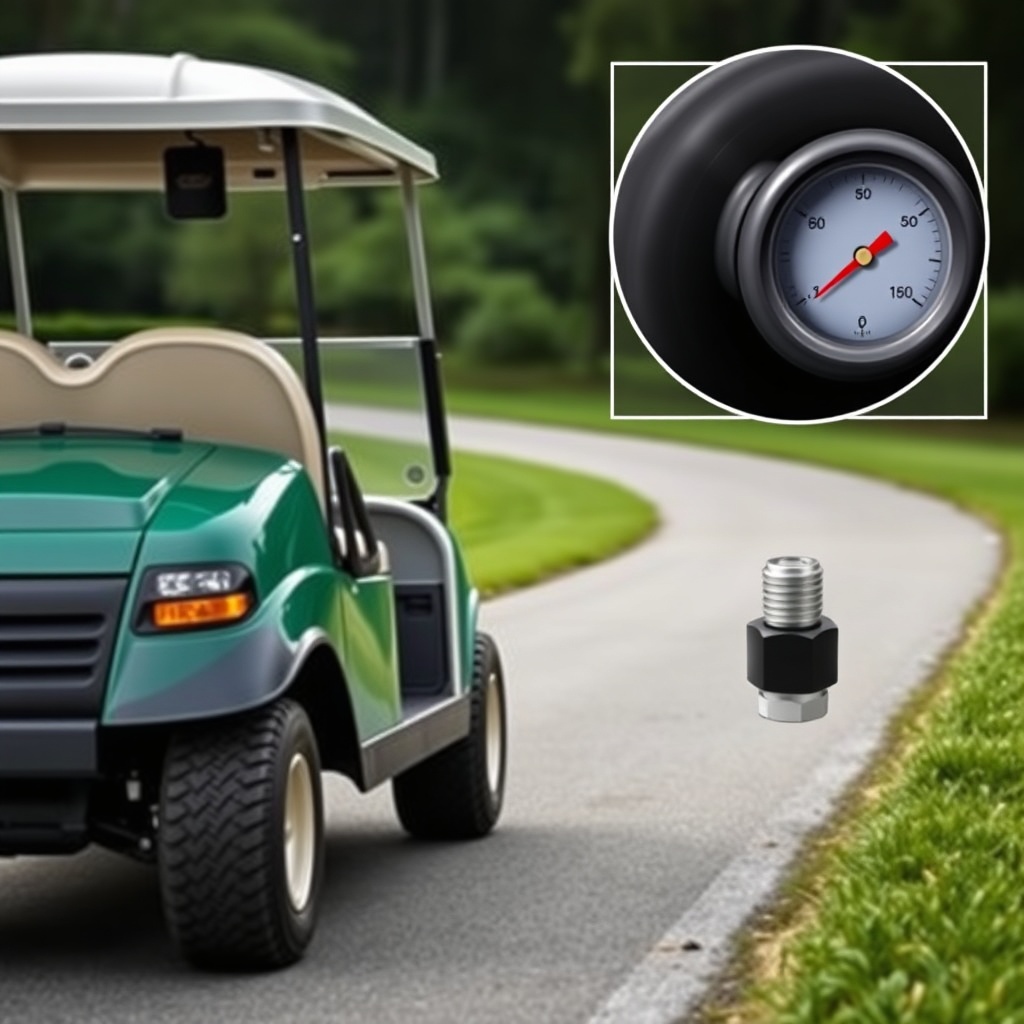
Handling is equally impacted. Correct PSI ensures even tread contact, which improves cornering stability and brake grip. If you have recently upgraded your motor or clutch, check our guide on How to Upgrade the Clutch on a CartCraft for Better Performance to understand how driveline modifications demand precise tyre pressure to avoid slipping. A well-maintained tyre profile also reduces vibration, protecting steering components and suspension bushings.
What Tyre Pressure Should I Use for a Lifted CartCraft?
Lifted CartCraft models typically ride on larger tyres—22, 23, or even 26 inches in diameter—and require lower pressures to maintain a safe contact patch. A general rule is to start at 15-18 PSI for tyres up to 23 inches and 12-15 PSI for 24- to 26-inch tyres. The larger sidewall acts as a natural spring, so lower pressures improve ride comfort without sacrificing stability. However, pressure too low (below 10 PSI) on a lifted cart can cause bead separation or rim damage during sharp turns.
It is vital to match pressure to terrain. For trail riding, 14 PSI front and 16 PSI rear provides traction on loose surfaces. For on-road use, increase to 18-20 PSI to reduce tread squirm. Always re-torque wheel lug nuts after adjusting pressure on lifted carts, as the altered geometry can affect hub alignment. If your CartCraft has aftermarket wheels, verify the manufacturer’s recommended PSI range for that specific tyre model.
How Often Should I Check and Adjust CartCraft Tyre Pressure?
Tyre pressure naturally drops over time—a loss of 1-2 PSI per month is typical, even without visible leaks. Seasonal temperature changes accelerate this: for every 10°F drop in ambient temperature, tyre pressure can decrease by roughly 1 PSI. Therefore, check pressures at least once a month and always before long trips or heavy loads. If you observe a loss of more than 3 PSI in one tyre over two weeks, inspect for punctures or valve stem leaks.
Here is a quick severity reference table to help you interpret readings:
| PSI Reading (Cold) | Severity Level | Immediate Action Required |
|---|---|---|
| Below 12 PSI | Critical | Do not drive. Inspect for puncture or sidewall damage. |
| 12-15 PSI | High | Inflate immediately; check for slow leaks. |
| 16-18 PSI | Moderate | Add air; review load and terrain. |
| 19-24 PSI | Optimal (standard carts) | No action needed. |
| 25-30 PSI | High (overinflated) | Release air; check sidewall cold max rating. |
| Above 30 PSI | Critical | Do not drive; risk of blowout or rim damage. |
Battery maintenance goes hand-in-hand with tyre care. Low pressure forces the motor to draw more current, which can accelerate battery wear. See our article on CartCraft Battery Water Maintenance: Essential Tips for Long Battery Life for complementary care routines.
Does Weather or Temperature Affect CartCraft Tyre Pressure?
Absolutely. As mentioned, cold weather reduces PSI, while hot weather increases it. If you store your CartCraft in an unheated garage during winter, check pressure before spring use—it may have dropped 3-5 PSI from autumn settings. Conversely, on a 90°F afternoon, tyre pressure can rise 4-6 PSI from cold inflation, potentially pushing over the recommended range. Always set pressure in the cool morning or evening, and avoid bleeding air from hot tyres, as that can lead to underinflation when they cool.
Humidity also plays a minor role by affecting air density, but the temperature effect dominates. For carts used in coastal areas, corrosion on valve stems can cause slow leaks; replace metal valve caps with brass or aluminium ones to resist seizing. If you have upgraded your battery system, proper charging habits also affect overall performance. Read CartCraft Battery Charging Safety Tips: Avoiding Common Mistakes for safe charging practices.
What Are the Signs of Incorrect Tyre Pressure on a CartCraft?
Visual and tactile clues often precede major tyre issues. Look for these warning signs:
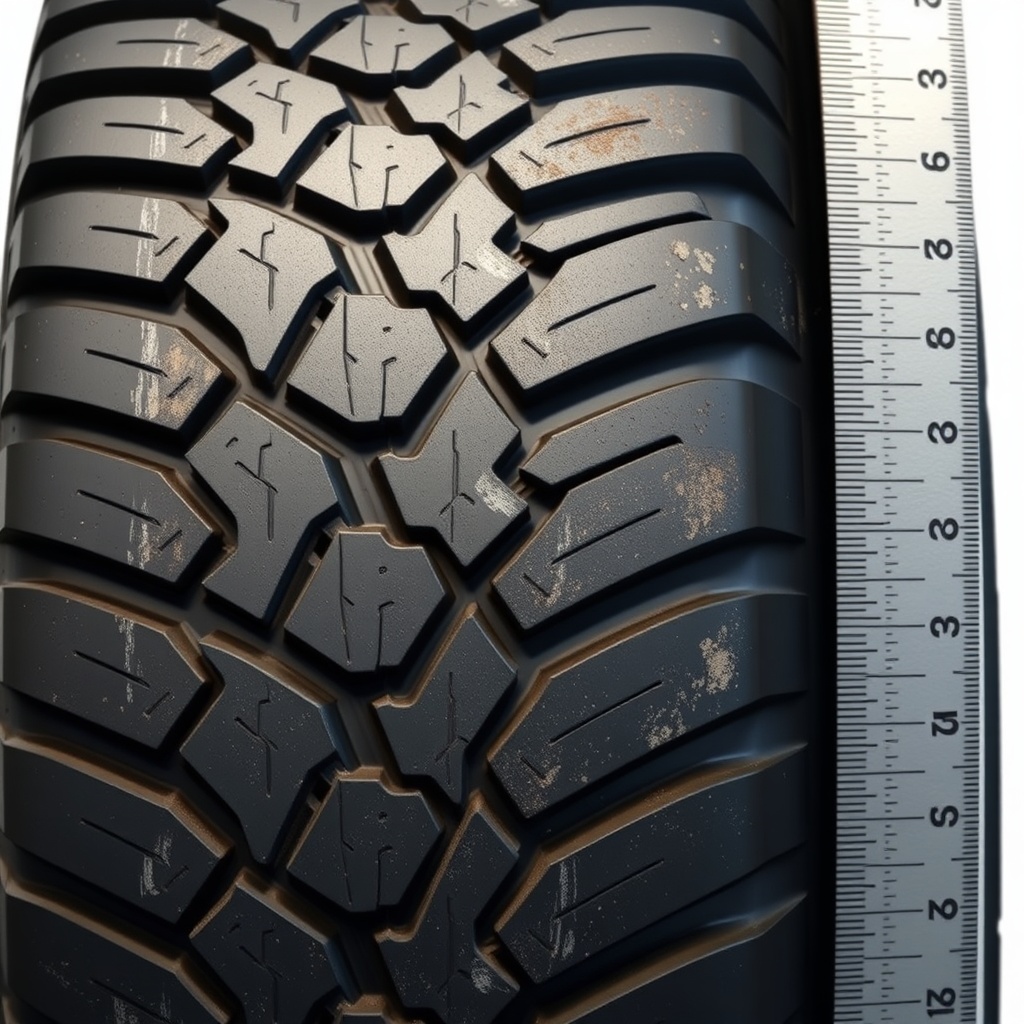
- Uneven tread wear: Centre tread worn faster indicates overinflation; outer edges worn faster points to underinflation.
- Vibration or wobble: Often caused by misalignment stemming from low pressure on one side.
- Reduced range: If your battery charge depletes quicker than usual, check tyres first.
- Sidewall bulges: Indicate internal belt separation, usually from prolonged low pressure.
- Excessive bouncing: Overinflated tyres transmit road imperfections more aggressively.
If any of these signs appear, inflate to the correct PSI and inspect the tyre thoroughly. Persistent issues may require replacement. Also, remember that a well-maintained CartCraft brake system works best when tyres are properly inflated. Review CartCraft Brake System Inspection: Signs of Wear and When to Replace for complementary safety checks.
What CartCraft Owners Say About Tyre Pressure Maintenance
Owners across UK golf clubs and private estates consistently emphasise checking pressure monthly. “I ignored my CartCraft tyres for six months and lost about 20% of my battery range,” reports Steve from Hampshire. “After bringing them up to 22 PSI, I got back almost all of my range. It was a free fix.” Another owner, Linda from Surrey, notes that after installing larger wheels on her lifted CartCraft, she reduced pressure from 20 PSI to 16 PSI. “The ride is now softer, and the cart handles gravel driveways without sliding.”
Several owners also advise using a digital gauge rather than a stick-type one for accuracy. “I use a £10 digital gauge from a home store, and it’s consistent within 0.5 PSI,” says Mark from Kent. “It’s saved me from underinflation that would have caused uneven wear.” Many also recommend investing in tyre liners to prevent flats from thorns or debris on rough terrain. Ultimately, tyre pressure is a quick, low-cost maintenance item that delivers high returns in safety and efficiency.
Frequently Asked Questions About CartCraft Tyre Pressure
1. Can I use a standard car tyre pressure gauge on my CartCraft?
Yes, any standard tyre pressure gauge works, but a digital model designed for lower pressures (0-50 PSI range) offers the best accuracy. Avoid high-range truck gauges, as they may not read below 5 PSI reliably.
2. What happens if I drive with one tyre at 8 PSI and the others at 20 PSI?
This creates significant handling imbalance, increases steering pull, and risks overheating the underinflated tyre. It can also damage the wheel rim and suspension components. Inflate the low tyre before driving.
3. Does nitrogen inflation help CartCraft tyres?
Nitrogen maintains pressure more consistently than compressed air by losing less through permeation. For CartCraft tyres kept in changing temperatures, nitrogen can reduce monthly adjustments, though the benefit is marginal for most users.
4. How do I find the recommended PSI for my specific CartCraft model?
Check the owner’s manual, the sticker inside the glove box, or the sidewall of the original tyre. For aftermarket tyres, visit the manufacturer’s website or contact the seller.
5. Should I inflate CartCraft tyres to the same pressure if I carry heavy loads?
For loads exceeding 500 lbs (e.g., two passengers plus golf bags), increase rear tyre pressure by 2-4 PSI, but never exceed the maximum stamped on the sidewall. For standard loads, stick to the recommended range.
6. Can I repair a CartCraft tyre with a plug for a small puncture?
Yes, but only if the puncture is in the tread area and is less than ¼ inch wide. For sidewall punctures or larger holes, replace the tyre. Always have repairs performed by a professional to ensure safety.