Introduction to CartCraft Battery Water Maintenance
Proper battery water maintenance is the single most important factor in extending the lifespan of your CartCraft golf cart’s lead-acid battery pack. Without regular attention to electrolyte levels, even the highest-quality batteries can fail prematurely, leading to costly replacements. This guide provides essential, actionable tips for keeping your CartCraft’s batteries in peak condition.
Why Is Regular Battery Water Maintenance Critical for My CartCraft?
Your CartCraft golf cart relies on a chemical reaction between lead plates and sulfuric acid to generate power. During charging, water in the electrolyte solution breaks down into hydrogen and oxygen gas, gradually reducing the liquid level. If the plates become exposed to air, they sulfate rapidly, permanently reducing capacity. Neglecting water maintenance can cause irreversible damage within weeks, potentially costing you over £600 for a new battery set. To complement your battery care, consider reviewing CartCraft Suspension Upgrade Guide: Improve Ride Comfort and Handling for a smoother overall experience.
How Often Should I Check the Water Levels in My CartCraft Batteries?
For most CartCraft owners, checking water levels every two to four weeks is recommended, depending on usage frequency and climate. During hot summer months or after frequent deep discharges, evaporation accelerates. Always inspect levels after a full charging cycle, as the electrolyte expands when fully charged. Use distilled water only, as tap water contains minerals that can contaminate the cells. If your cart is stored for winter, check levels monthly and top off before storage. A consistent schedule prevents dry-out and ensures reliable performance.
What Tools and Safety Precautions Do I Need for CartCraft Battery Water Maintenance?
Performing this task safely requires a few basic tools:
- Distilled water (available at any auto parts store, typically £2–£3 per gallon)
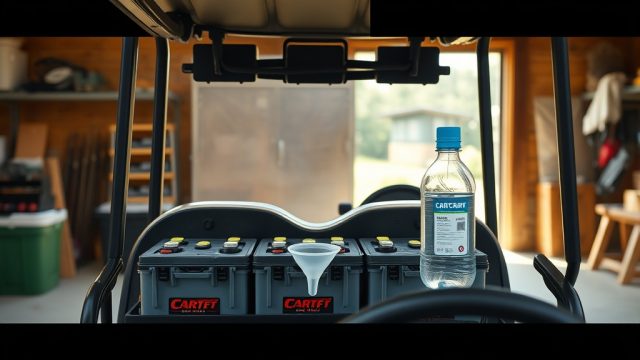
- A battery watering bottle or syringe with a narrow spout
- Safety goggles and acid-resistant gloves
- A clean, dry cloth for wiping spills
- A voltmeter or multimeter (optional, for checking state of charge)
Always wear protective gear because battery acid is corrosive. Work in a well-ventilated area to avoid inhaling hydrogen gas, which can be explosive near sparks. Never smoke or use open flames near batteries. For further safety tips, read our How to Replace Brake Pads on a CartCraft Golf Cart guide, which also emphasises protective practices.
What Is the Correct Watering Procedure for CartCraft Batteries?
Follow these steps for optimal battery maintenance:
- Step 1: Charge the batteries fully before checking water levels. This ensures the electrolyte is at its proper volume.
- Step 2: Remove the vent caps carefully and inspect each cell. The water level should cover the lead plates by about 1/4 to 1/2 inch (6–12 mm).
- Step 3: Add distilled water slowly until it reaches the proper height. Do not overfill, as electrolyte can overflow during charging, causing corrosion.
- Step 4: Replace the caps securely and clean any spills with a damp cloth.
- Step 5: Check all connectors for tightness and clean any corrosion with a baking soda solution.
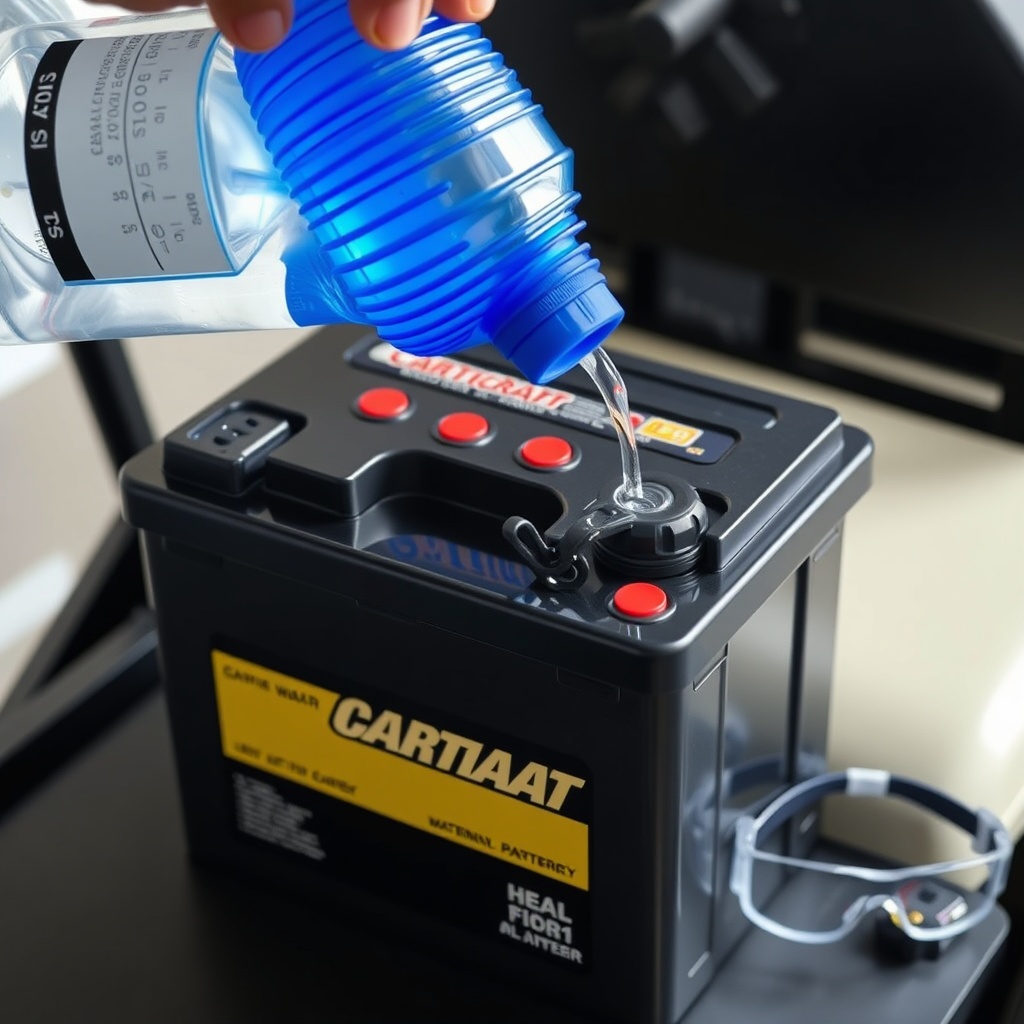
This process takes about 10–15 minutes but can save you hundreds of pounds in battery replacement costs.
How Do Temperature and Usage Affect CartCraft Battery Water Consumption?
High temperatures accelerate water loss because heat increases the rate of electrolysis during charging. In summer, you may need to top off weekly. Frequent deep discharges (running the battery below 50% capacity) also increase water usage, as more charging cycles are required. Conversely, light, regular use in cool climates may allow monthly checks. Below is a severity table to help you gauge risk:
| Condition | Water Loss Rate | Recommended Check Interval | Risk Level |
|---|---|---|---|
| Hot climate (above 30°C) + daily use | High | Weekly | High |
| Moderate climate (15–25°C) + weekend use | Medium | Every 2–3 weeks | Medium |
| Cool climate (below 10°C) + occasional use | Low | Monthly | Low |
| Long storage periods (winter) | Very low | Monthly (top off before storage) | Low to Medium |
To further improve your CartCraft’s efficiency, consider How Tire Size Affects Performance and Speed on CartCraft, which can influence battery load.
What Are Common Mistakes to Avoid When Maintaining CartCraft Battery Water?
Even experienced owners can slip up. Here are the most frequent errors:
- Using tap water: Minerals like calcium and magnesium shorten battery life by forming deposits on plates.
- Adding water before charging: Water expands when charging; adding it beforehand can cause overflow and acid loss.
- Overfilling: Excess water spills out during charging, corroding terminals and creating safety hazards.
- Neglecting low-maintenance batteries: Some CartCraft models use sealed “maintenance-free” batteries, which still require occasional checks for swelling or damage.
- Skipping equalisation charges: For flooded lead-acid batteries, an occasional equalisation charge (2–3 amps for 2–4 hours) can reduce sulfation, but only after checking water levels.
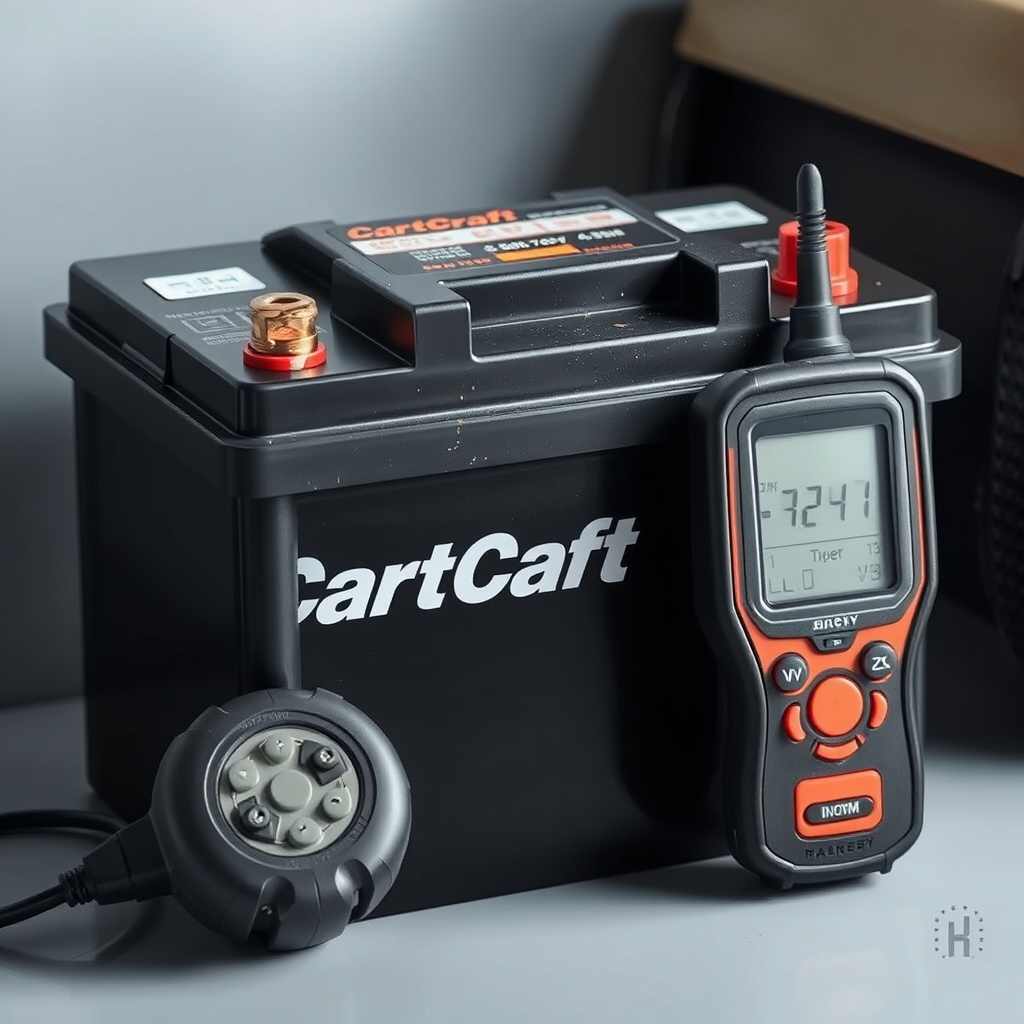
What Owners Say About CartCraft Battery Water Maintenance
Many CartCraft owners in the UK forum community highlight the importance of regular water checks. John from Cornwall shared: “I neglected my batteries for three months and lost 40% range. After following a strict watering schedule, they came back to about 90% capacity.” Another owner, Sarah from Surrey, noted: “Using a battery watering gun made the job quick and clean. I check every three weeks now.” Owners consistently report that proper water maintenance extends battery life from 3–4 years to 5–6 years, saving up to £250 annually on replacement costs. For a more complete cart customisation, see How to Install a Custom Steering Wheel on a CartCraft Golf Cart after mastering battery care.
Frequently Asked Questions About CartCraft Battery Water Maintenance
Q1: What type of water should I use for my CartCraft batteries?
Only distilled or deionised water should be used. Tap water contains minerals that cause sulfation and reduce battery performance.
Q2: Can I check water levels while the batteries are charging?
No. Always check after charging is complete and batteries have cooled for at least 30 minutes. Checking while charging risks electrical shock and inaccurate readings.
Q3: My CartCraft has sealed batteries. Do I still need to check water?
Sealed (AGM or gel) batteries require no water addition, but you should still inspect for bulging, cracks, or leaks. If found, replace the battery immediately.
Q4: How often should I equalise my flooded batteries?
Equalise every 4–6 weeks if you frequently discharge below 50%. Always check water levels before equalising, as the process consumes more water.
Q5: What happens if I forget to add water?
Exposed plates sulfate rapidly, leading to irreversible capacity loss. You may notice longer charging times and reduced range. Early intervention can sometimes restore partial capacity.
Q6: Does cold weather affect water maintenance?
Yes. In freezing temperatures, fully charged batteries are less likely to freeze than discharged ones. Keep batteries full and stored in a garage if possible. For more winterising tips, read How to Upgrade the Clutch on a CartCraft for Better Performance.