Introduction to CartCraft Battery Charging Best Practices
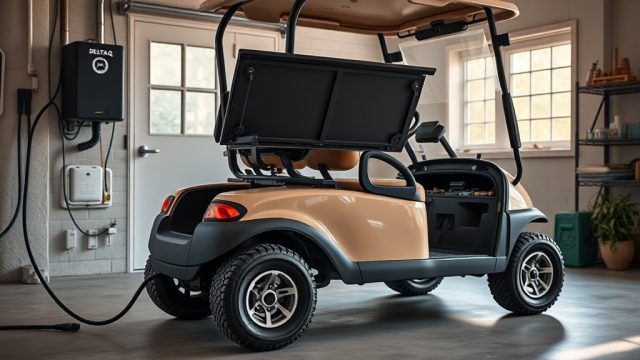
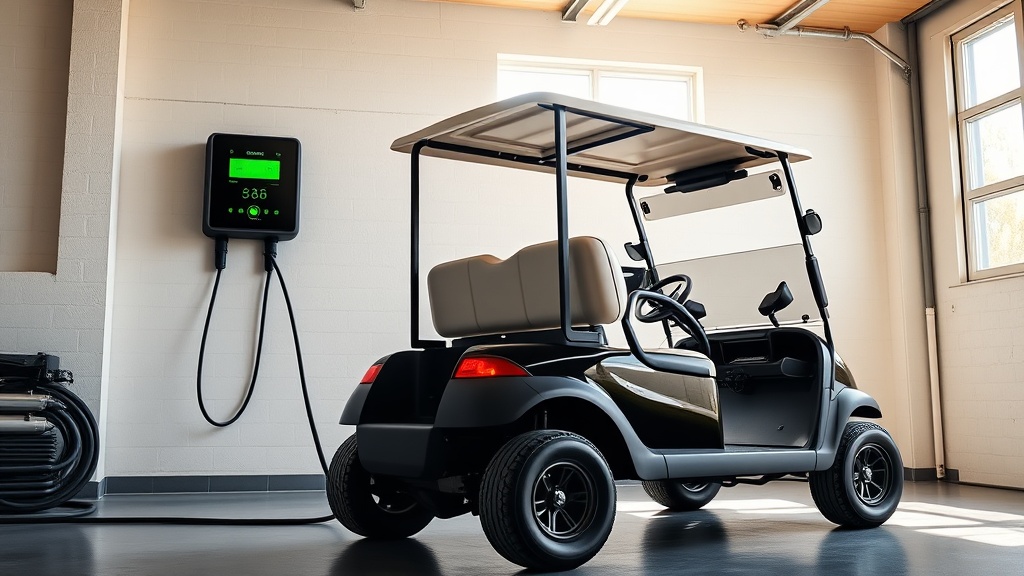
When it comes to extending the lifespan of a CartCraft golf cart’s battery pack, proper charging habits are arguably the most critical factor. Neglecting the fundamentals can lead to diminished range, premature plate sulfation, and expensive replacements. This guide outlines the specific protocols for maintaining peak battery health, drawing on field data from CartCraft owners and manufacturer recommendations.
How Often Should a CartCraft Battery Be Charged?
The golden rule for CartCraft’s lead-acid or AGM battery systems is to charge after every use, regardless of how far the cart was driven. Leaving a battery in a partially discharged state—especially below 50% state of charge (SoC)—accelerates sulfation, where lead sulfate crystals harden on the plates. For lithium-ion CartCraft models, the advice is slightly different: charging when the pack reaches 20-30% capacity is optimal, but topping off after short rides is perfectly acceptable and actually helps the Battery Management System (BMS) balance the cells.
What Is the Correct Charging Voltage for CartCraft Batteries?
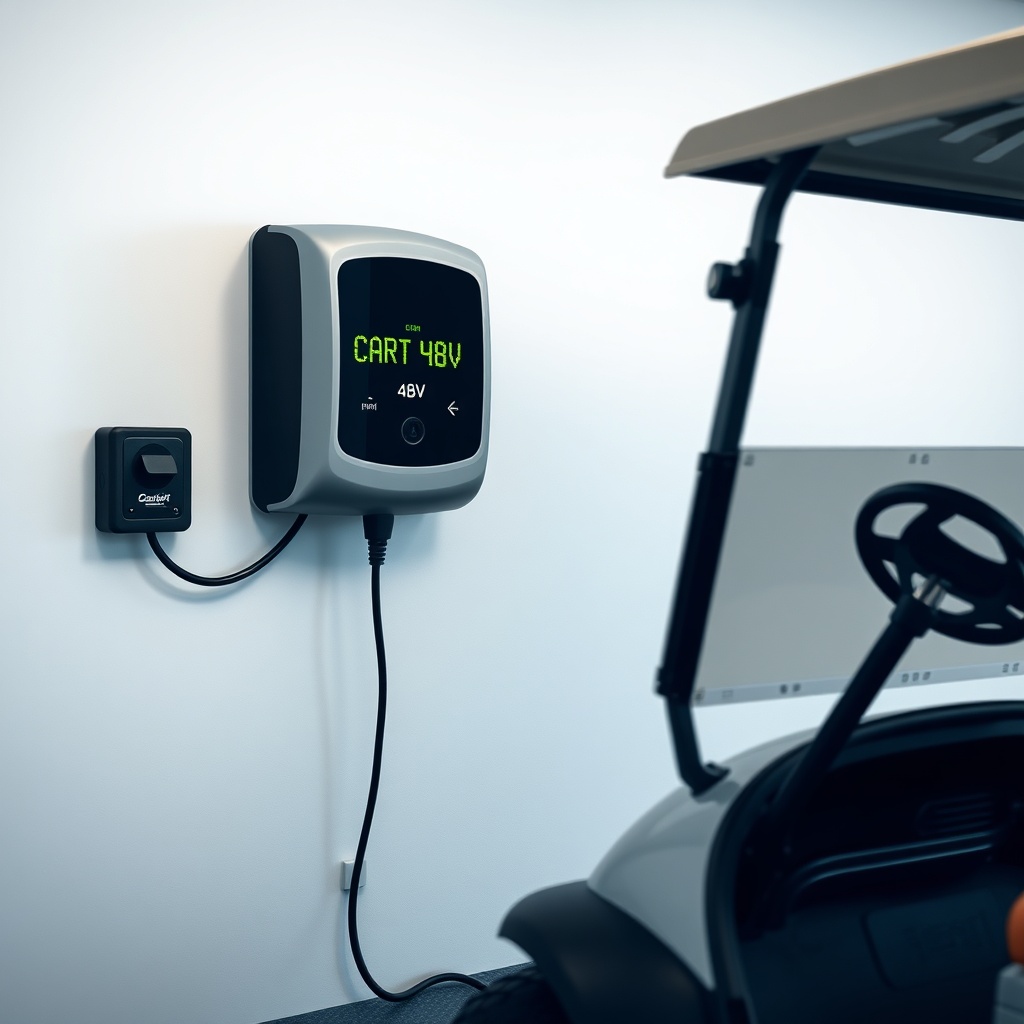
Using the correct voltage is non-negotiable. CartCraft typically uses 48V or 72V systems. For a 48V lead-acid pack, the charger must output between 57.6V and 58.8V for the absorption phase, tapering to a float voltage of 54.4V to 55.2V. A voltage below this range will undercharge the batteries, while exceeding it causes excessive gassing and water loss. For the lithium-ion packs (common in newer CartCraft models), the charger should deliver a constant current/constant voltage (CC/CV) profile with an absorption voltage of 58.4V ±0.2V. A useful reference for controller settings is detailed in the guide on How to Program the Curtis Controller on CartCraft for Maximum Torque, as voltage parameters affect both charging and driving performance.
| Battery Type | Nominal Voltage | Absorption Voltage | Float Voltage |
|---|---|---|---|
| Flooded Lead-Acid | 48V | 57.6V – 58.8V | 54.4V – 55.2V |
| AGM | 48V | 57.0V – 58.2V | 54.0V – 54.8V |
| Lithium-Ion (LFP) | 48V | 58.4V ±0.2V | N/A (BMS manages) |
| Lithium-Ion (LFP) | 72V | 87.6V ±0.3V | N/A (BMS manages) |
Should You Leave the CartCraft Charger Plugged in Overnight?
For lead-acid batteries, leaving the charger connected indefinitely after the battery reaches full charge is generally not recommended with standard CartCraft chargers. Most modern CartCraft chargers include an automatic shut-off or float mode after the battery is fully charged, but it is best practice to disconnect within 2–4 hours after the green light appears. For lithium CartCraft models, overnight charging is safer because the BMS cuts off charging when the pack reaches 100% and prevents overvoltage. However, repeated long-term storage at 100% charge (more than 48 hours) can degrade lithium cells slightly. Owners who store carts for winter should aim for a 50% to 60% charge on lithium packs, and a full charge with a water top-up on lead-acid packs every month. Always consult the CartCraft Charging Station Setup: Tips for Faster and Safer Battery Charging for specific timer settings.
What Is the Impact of Temperature on CartCraft Battery Charging?
Temperature swings directly affect chemical reactions inside the battery. For CartCraft batteries, the ideal charging ambient temperature is 20°C to 25°C (68°F to 77°F). Charging at temperatures below 10°C (50°F) increases internal resistance, requiring a longer absorption phase and risk of undercharging. Above 40°C (104°F), the battery can overheat, leading to plate corrosion in lead-acid units and accelerated degradation in lithium packs. CartCraft recommends using a temperature-compensated charger if the cart is stored in an unheated garage. In freezing conditions (below 0°C), lithium-ion batteries should never be charged—the BMS will block charging to prevent lithium plating, which can cause internal short circuits. For lead-acid, charging below 0°C is possible but reduces capacity by up to 20%.
How Do You Maintain Water Levels in CartCraft Flooded Batteries?
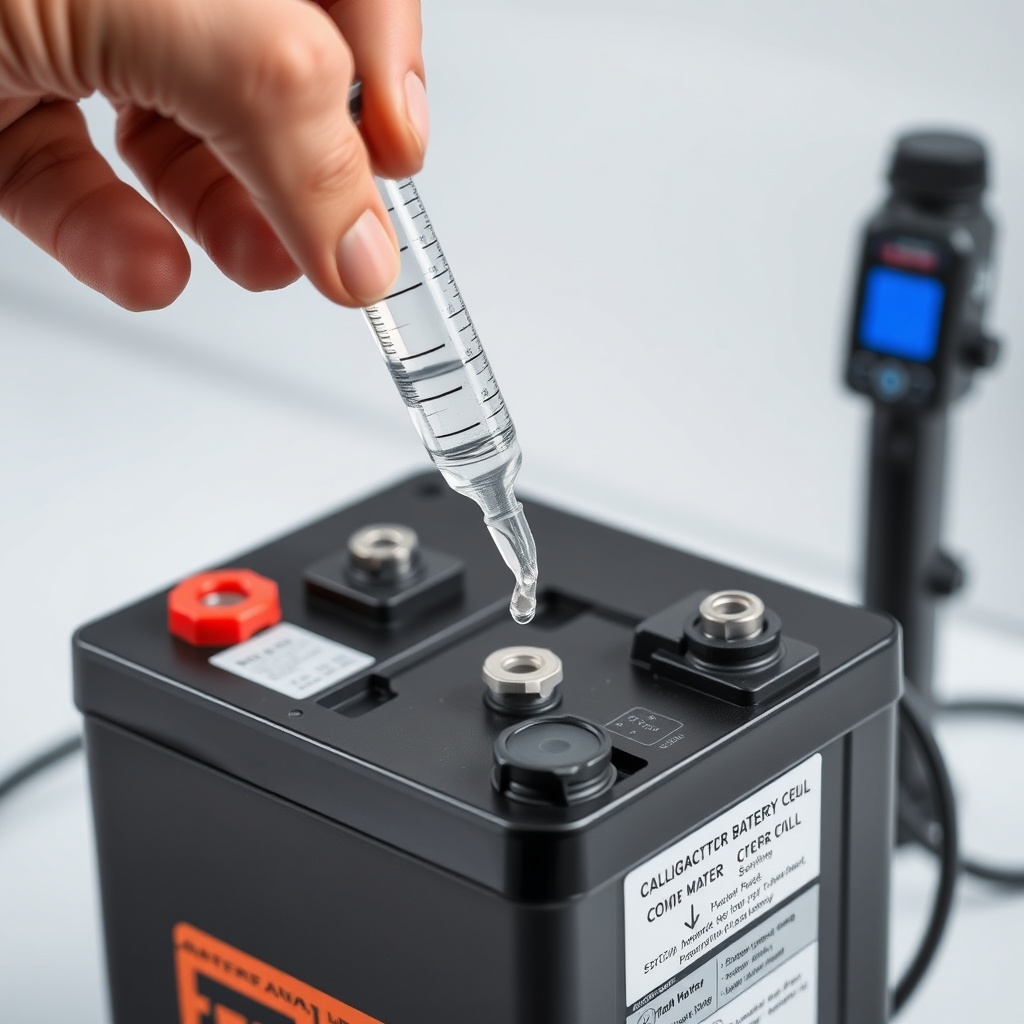
Flooded lead-acid batteries in CartCraft require routine water level checks—about every 10 to 15 charging cycles. Only distilled or deionized water should be used. The water should cover the plates by about 6mm to 10mm (0.25 to 0.4 inches) above the top of the plates, but never fill to the brim of the cell cap, as expansion during charging can cause overflow. The correct time to add water is after a full charge, when the electrolyte is thoroughly mixed. Adding water before charging can lead to overflowing and acid dilution. A practical tip: mark the fill line on each cell with a permanent marker. If a cell consistently needs more water than its neighbours, it may indicate overcharging or a failing cell—that battery should be load-tested.
What Owners Say About CartCraft Battery Care
Long-term CartCraft owners on forums and user groups consistently highlight one mistake: using an automotive charger not designed for deep-cycle batteries. “I plugged in a standard 12V car charger in a pinch and ruined three cells within a month,” reported a user from the CartCraft Owners Club. Another common praise is the value of the automatic equalisation cycle on CartCraft’s onboard charger. “That two-hour equalisation every fifth charge kept my pack balanced for five years,” one commenter noted. Several owners also emphasised the necessity of storing the cart with the battery disconnect switch off when parked for more than two weeks, to prevent parasitic drain from the controller and accessories. For those upgrading controllers, a reference is available in How to Program the Curtis Controller on CartCraft for Maximum Torque to ensure the new settings don’t interfere with the charging profile.
Frequently Asked Questions About CartCraft Battery Charging
How long does a full charge take for a CartCraft battery?
With the standard 20-amp chargers, a depleted 48V lead-acid pack (around 180Ah) takes approximately 6 to 9 hours for a full charge. Lithium packs typically charge faster, between 4 to 6 hours, thanks to higher acceptance rates and an efficient BMS.
Can I use a fast charger on my CartCraft?
Yes, but only if the charger is specifically rated for your battery chemistry. Fast charging (above 20 amps for 48V lead-acid) reduces cycle life by increasing heat and gassing. For lithium CartCraft packs, a certified fast charger with a maximum of 30 amps is safe, but daily use at this rate may shorten battery life by 10-15% compared to a 15-amp charge.
What should I do if the CartCraft charger shows a red light?
A steady red light typically indicates a charging fault: a bad connection at the receptacle, a tripped circuit breaker on the cart, or a defective charger. Unplug, check the 48V breaker (usually under the seat), examine the charging port for corrosion, and reset the charger. If the red light persists after these steps, replace the charger or have the battery pack load-tested.
How do I reset the CartCraft battery management system (BMS)?
For lithium CartCraft models, a BMS reset often resolves a “not charging” state caused by voltage imbalance. Disconnect all loads, turn the key off, and remove the main battery disconnect. Wait 30 minutes, then reconnect. If the BMS still shows a fault, charge at a very low current (2-5 amps) until the pack reaches 48V, then resume normal charging. Always follow the CartCraft Charging Station Setup: Tips for Faster and Safer Battery Charging guide for proper BMS handling.
What is the typical lifespan of a CartCraft battery?
With proper charging, a lead-acid pack lasts 3 to 5 years, while lithium packs last 8 to 12 years or 2,000 to 3,000 cycles. The biggest life-shortening factor is deep discharge below 20% SoC repeatedly, especially for lead-acid. Regular charging and avoiding total drainage are the best preservatives.
Does it matter which charger brand I use for my CartCraft?
Yes. Use only chargers certified for deep-cycle golf cart batteries with a matching voltage and capacity. Third-party chargers that lack temperature compensation or correct charge profiles can cause chronic undercharging. CartCraft recommends OEM chargers or reputable units from Lester Electrical or Delta-Q. A mismatch can void the battery warranty.