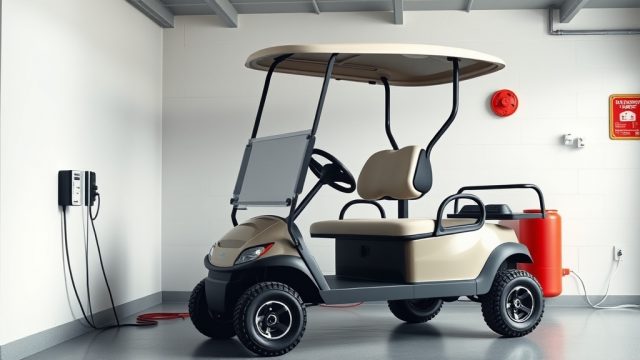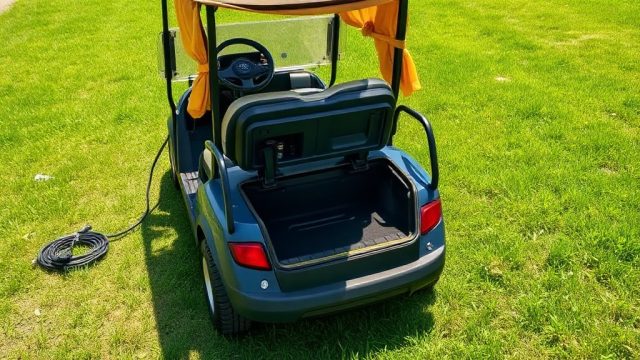
Properly charging the Yamaha Drive2 PTV battery is arguably the single most important factor in determining how many years of reliable service the owner will get. Many owners unknowingly shorten battery life by adhering to outdated charging habits or ignoring the specific needs of this popular electric vehicle. This guide provides actionable, model-specific safety tips to ensure the battery pack remains healthy for the full warranty period and beyond.
What is the Correct Charging Procedure for a Yamaha Drive2 PTV?
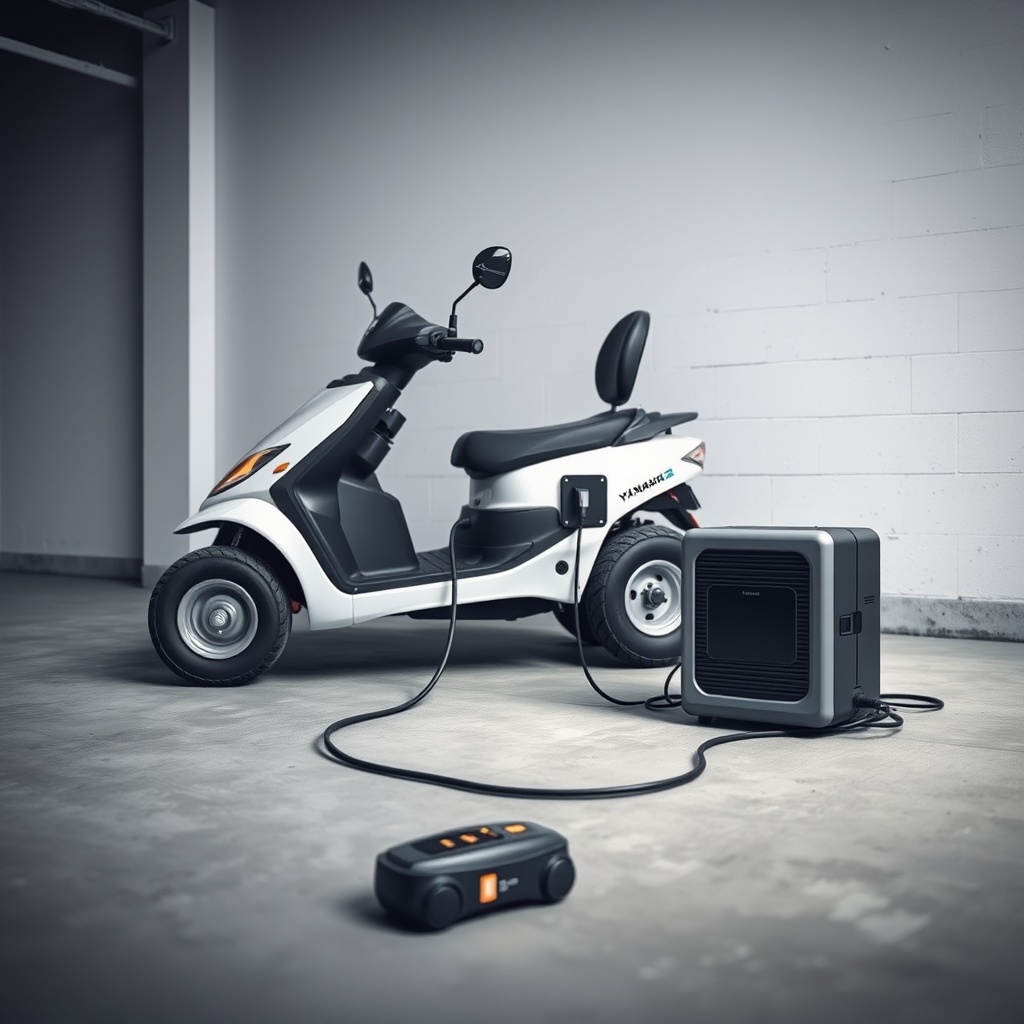
The Yamaha Drive2 PTV uses a sophisticated onboard computer that communicates with the charger. The correct procedure is simple: after each use, plug the charger into the cart’s receptacle first, and then plug the charger into the wall outlet. Do not interrupt the cycle. The charger will automatically shut off when the battery is full. Always use the manufacturer-recommended charger model; using an incorrect unit can permanently damage the battery management system. For those who want to maximise driving range between charges, refer to the Yamaha Drive2 PTV Battery Range Test: Real-World Results to understand typical consumption.
Never charge a frozen battery. If the cart has been stored in temperatures below freezing, allow the batteries to warm to at least 10°C (50°F) before charging. Charging a frozen battery can cause internal short circuits and violent outgassing.
How Often Should the Battery Water Level Be Checked?
Flooded lead-acid batteries, which are standard on most Yamaha Drive2 PTV models, require regular distilled water top-ups. Check the water level every four weeks during the charging season. The correct time to check is after the battery has been fully charged and has had at least 30 minutes to rest. Never add water before charging, as the electrolyte expands during the charge cycle and may overflow, causing corrosion.
Maintain the water level so it just covers the lead plates. Overfilling is just as harmful as underfilling. Use only distilled water, as tap water contains minerals that will permanently reduce battery capacity. If the batteries are of the sealed AGM (Absorbed Glass Mat) type, no water checking is required, but it is still vital to maintain proper charge voltage.
What is the Ideal Charging Environment?
The charging location must be dry, well-ventilated, and away from flammable materials. Lead-acid batteries produce hydrogen gas during charging, which is highly explosive. Never charge in a sealed room, near a gas water heater, or directly on carpet. A concrete floor in a garage or a purpose-built charging shed is ideal. Temperatures between 10°C and 30°C (50°F–86°F) are optimal. Charging in extreme heat can cause thermal runaway, while charging in extreme cold drastically slows the chemical reaction and prevents a full charge.
Ensure the area is free of metal tools or objects that could short across the battery terminals. A short circuit can deliver hundreds of amps, melt tools, and cause severe burns or fires.
What are the Warning Signs of a Failing Charger or Battery?
Several symptoms indicate a problem. The charger should shut off automatically; if it runs for more than 16 hours continuously, the charger or battery may be failing. Excessive heat from the charger case or the battery cables during charging is a red flag. Bulging battery cases, excessive corrosion on terminals, or a strong rotten-egg smell (hydrogen sulfide) indicate a serious internal fault. If the cart loses speed or range significantly compared to its normal performance, a battery load test is needed. For a full understanding of speed and performance expectations, see How to Remove the Governor on a Yamaha Drive2 PTV for More Speed.
How Should the Battery Be Stored for Winter or Long Periods?
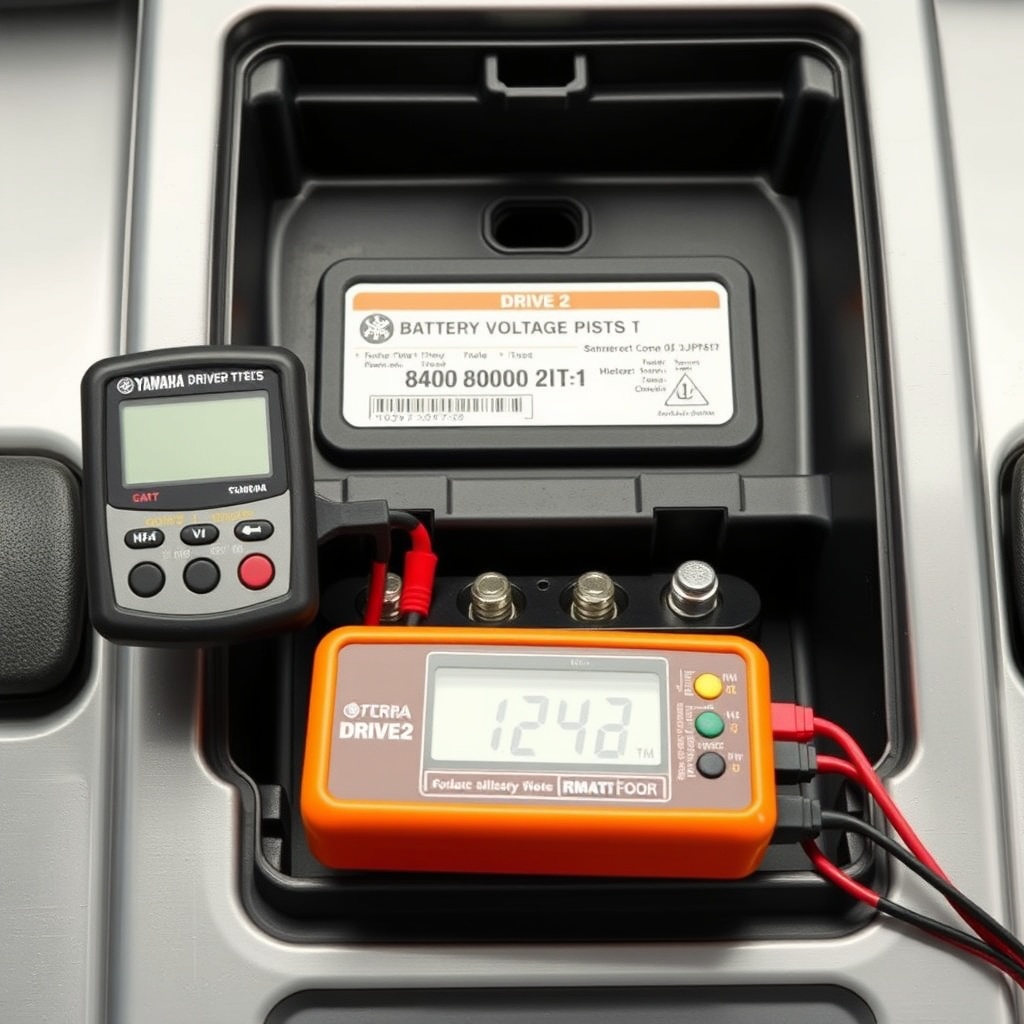
If the Yamaha Drive2 PTV will not be used for more than 30 days, proper storage is critical. Fully charge the battery pack before storage. Disconnect the negative battery cable to eliminate parasitic drain from the controller and timer. Store the cart in a cool, dry location above freezing (ideally 5–15°C, 40–60°F). Check the battery voltage monthly; if it drops below 12.4 volts (for a 12V battery), recharge it. A battery that sits deeply discharged for weeks will sulfate, permanently reducing capacity. Never store a battery on a concrete floor, as cold temperatures accelerate self-discharge. Place a piece of wood or rubber mat underneath the battery.
What are the Risks of Using Non-Approved Chargers or Cables?
Using a charger not specifically designed for the Yamaha Drive2 PTV carries serious risks. The charger must match the voltage (typically 36V or 48V) and amp-hour (Ah) rating of the battery pack. A car battery charger, for example, does not have the proper charging profile and will overcharge or undercharge the batteries. Extension cords should be heavy-duty (12 AWG or lower) and as short as possible. A long, thin extension cord causes voltage drop, which forces the charger to work harder and can overheat. Damaged cable insulation or corroded connectors should be replaced immediately.
| Error | Frequency | Severity | Consequence |
|---|---|---|---|
| Using a car battery charger | Rare | Critical | Permanent battery damage, fire risk |
| Charging a frozen battery | Common in winter | Critical | Internal short circuit, explosion risk |
| Overfilling with tap water | Common | Moderate | Reduced capacity, corrosion |
| Charging in a sealed area | Occasional | High | Hydrogen gas accumulation, explosion |
| Using a long, thin extension cord | Common | Moderate | Charger overheating, slow charging |
| Storing fully discharged for 3+ months | Common | Severe | Sulfation, permanent capacity loss |
What Owners Say
Many owners on golf cart forums report that following these basic charging rules has dramatically extended their battery life. One owner noted that after replacing batteries at five years, the charger stopped cycling properly. Another owner shared that regularly checking water levels prevented a costly early failure in their Yamaha Drive2 PTV. The most common complaint is that new owners often ignore the manual’s charging instructions, leading to diminished range within the first year. For those upgrading their cart for off-road or heavy use, investing in a quality charger and proper battery maintenance is frequently mentioned as essential. To further improve handling and ride quality, many owners combine battery maintenance with Best Suspension Upgrades for the Yamaha Drive2 PTV.
Another common theme is that owners who perform regular How to Replace Brake Pads on a Yamaha Drive2 PTV and Yamaha Drive2 PTV Brake System Inspection: Signs of Wear and When to Replace Components often also have better battery charging habits. They treat the cart as a holistic system, where every component’s health is interdependent. Some even schedule battery water checks at the same interval as tyre pressure checks, after reading How to Replace Tires on a Yamaha Drive2 PTV. This systematic approach pays off in years of trouble-free ownership.
Frequently Asked Questions
1. How long does it take to fully charge a Yamaha Drive2 PTV battery?
A typical charge cycle takes 6 to 10 hours from a deeply discharged state, depending on the charger and battery capacity. The charger automatically slows as the battery reaches full charge.
2. Can I leave the charger plugged in overnight?
Yes, provided the charger is the correct model and has an automatic shut-off feature. Most Yamaha chargers have this built in. However, avoid leaving it plugged in for more than 24 hours after a full charge.
3. Is it safe to charge the battery after every short trip?
Yes. In fact, it is healthier for lead-acid batteries to be charged after every use, no matter how short. This prevents deep discharge cycles that damage the plates.
4. What does the charger’s red light flashing mean?
A flashing red light typically indicates a fault, such as a bad connection, overheated battery, or a charger problem. Check all connections and let the battery cool. If it persists, consult a technician.
5. How often should I replace the battery in a Yamaha Drive2 PTV?
With proper care, a set of flooded lead-acid batteries lasts 4 to 6 years. AGM batteries can last 5 to 7 years. Regular load testing after the third year helps determine replacement timing.
6. Do I need to unplug the negative battery cable when storing?
If storing for more than 30 days, yes. Disconnecting the negative cable stops parasitic drain from the controller, which can slowly discharge the battery pack.