Best Suspension Upgrades for the Yamaha Drive2 PTV
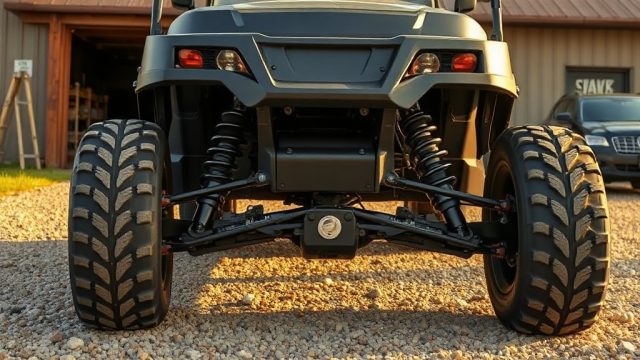
The stock suspension on a Yamaha Drive2 PTV can feel soft and wallowy, especially when hauling a full load of passengers or gear over uneven terrain. Upgrading the shocks, springs, or adding a lift kit transforms the ride from a bumpy commute into a controlled, confident experience. Below, we break down the most effective upgrades to improve comfort, handling, and durability for your specific cart.
Why Upgrade the Suspension on a Yamaha Drive2 PTV?
The factory suspension components are built for general use on paved paths and light grass, but they lack the damping and spring rate needed for heavier loads or off-road conditions. A stiffer, adjustable shock pair can reduce body roll when cornering and prevent the rear from sagging under a cooler full of drinks. Additionally, a lift kit not only clears larger tires but can also improve approach angles for navigating curbs or rough trails without scraping the undercarriage.
What Are the Best Shocks for the Yamaha Drive2 PTV?
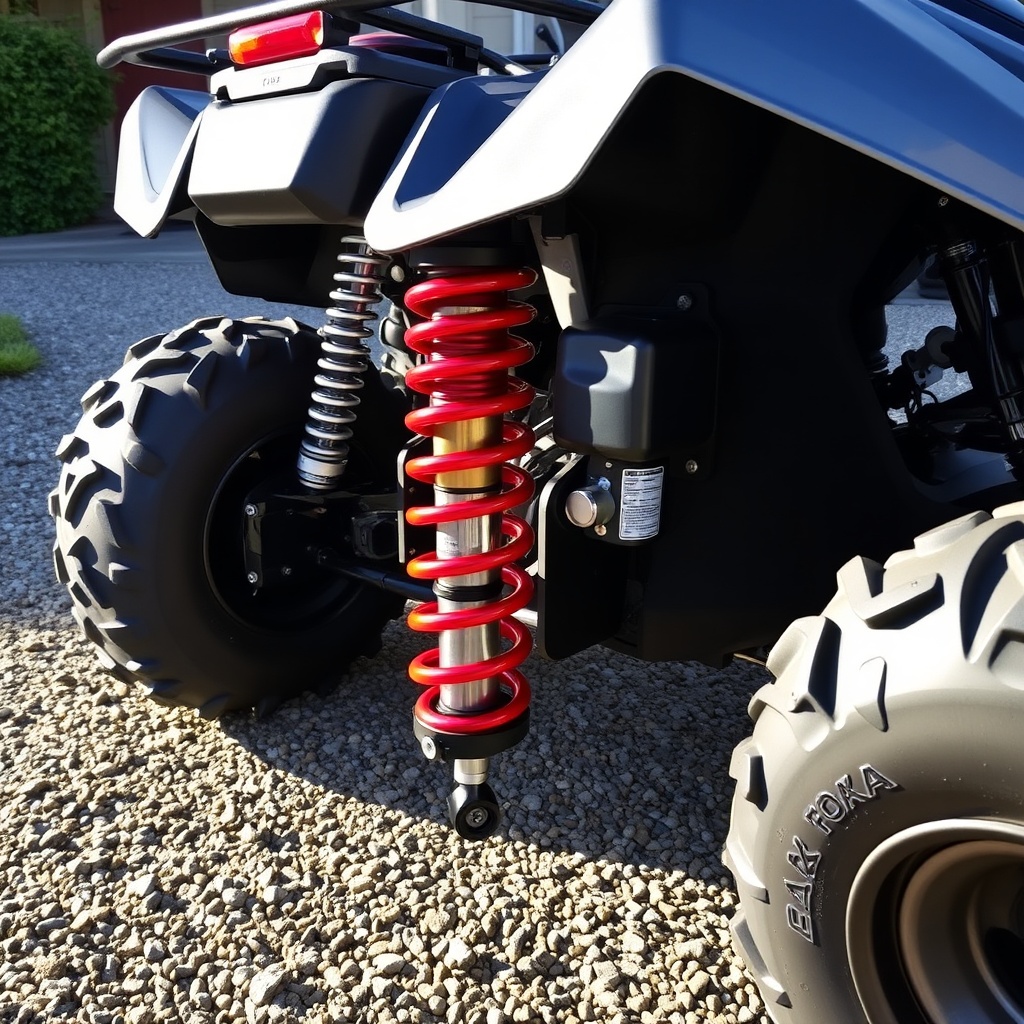
For most owners, replacing the stock hydraulic shocks with gas-charged units provides the most noticeable improvement in ride quality. The Monroe Gas-Magnum 60 Series fits the Drive2 PTV with no modifications and offers a nitrogen charge that prevents foaming on rough terrain. If you want adjustability, the Fox 2.0 Performance Shocks are a premium choice: they feature 8-way compression damping and a stainless steel shaft that resists corrosion. We recommend the Fox shocks for heavier carts (over 1,000 lb total weight) because they can be fine-tuned by turning the external knob without removing the shock. For a budget-friendly upgrade, the KYB Excel-G (part number 341-113) provides a firm yet plush ride for around £180 per pair.
Installation is straightforward: remove the top and bottom bolts of the old shocks, compress the new gas shock slightly, and reinstall. The gas charge will naturally extend the shaft, so a floor jack to lift the axle can help align the lower mount. Expect to pay between £150 (KYB) and £400 (Fox) for a full set of four shocks.
Should I Install a Lift Kit Before Upgrading Shocks?
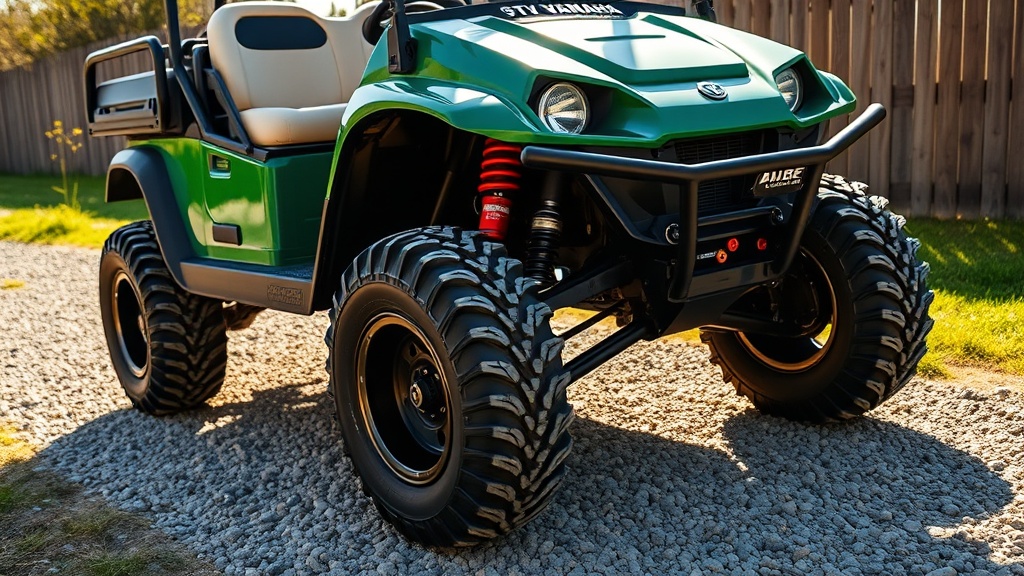
This depends on your intended use. If you plan to fit larger tires (over 23 inches in diameter), a lift kit is necessary to prevent the tires from rubbing the wheel wells or the suspension arms at full lock. For a mild 2-inch lift, the Jakes Spindle Lift Kit (part number 6233) bolts directly to the stock spindles and requires no welding. It uses spacers to raise the front while retaining the original leaf spring shackles. For a full off-road setup, a 6-inch long-travel lift kit from All Sports transforms the geometry with heavy-duty A-arms and extended shock mounts, allowing for up to 12 inches of wheel travel. This kit costs around £650 and significantly improves articulation over bumps.
We recommend installing the lift kit first, then choosing shocks that match the new ride height. A lifted cart with stock shocks will have a harsh top-out feel because the shock shaft is now operating beyond its intended travel range. Pair a 2-inch lift with the Monroe shocks for a street-friendly setup, or go with Fox shocks if you add the 6-inch lift and plan to tackle rocky paths.
What Leaf Spring Upgrades Work for the Rear?
The Yamaha Drive2 PTV uses a rear leaf spring suspension, which can sag after a few years of heavy use. The weakest point is the factory single-leaf spring, which provides only about 250 lb of load capacity before the spring flattens. Upgrading to a multi-leaf spring from EZGO or an aftermarket provider like Jakes doubles the load capacity to 500 lb while reducing bottoming out over speed bumps. The Heavy-Duty Leaf Spring set (part number 6130) adds an extra leaf that can be installed with the existing hardware. It raises the rear ride height by about 1 inch and costs £135 for a pair. For a smoother ride when unloaded, consider adding a spring-over-shackle conversion kit that repositions the spring below the axle, effectively lowering the rear by 2 inches while maintaining leaf flexibility.
A common complaint with heavy-duty leaf springs is a stiffer ride when the cart is empty. To mitigate that, use a spring with a progressive rate—the top leaf provides comfort on light bumps, while the bottom leaves engage under load. The Plowman’s Cargo Spring set includes a secondary leaf that only contacts the spring pad under heavy weight, offering the best compromise.
Can I Improve Ride Comfort Without a Full Suspension Overhaul?
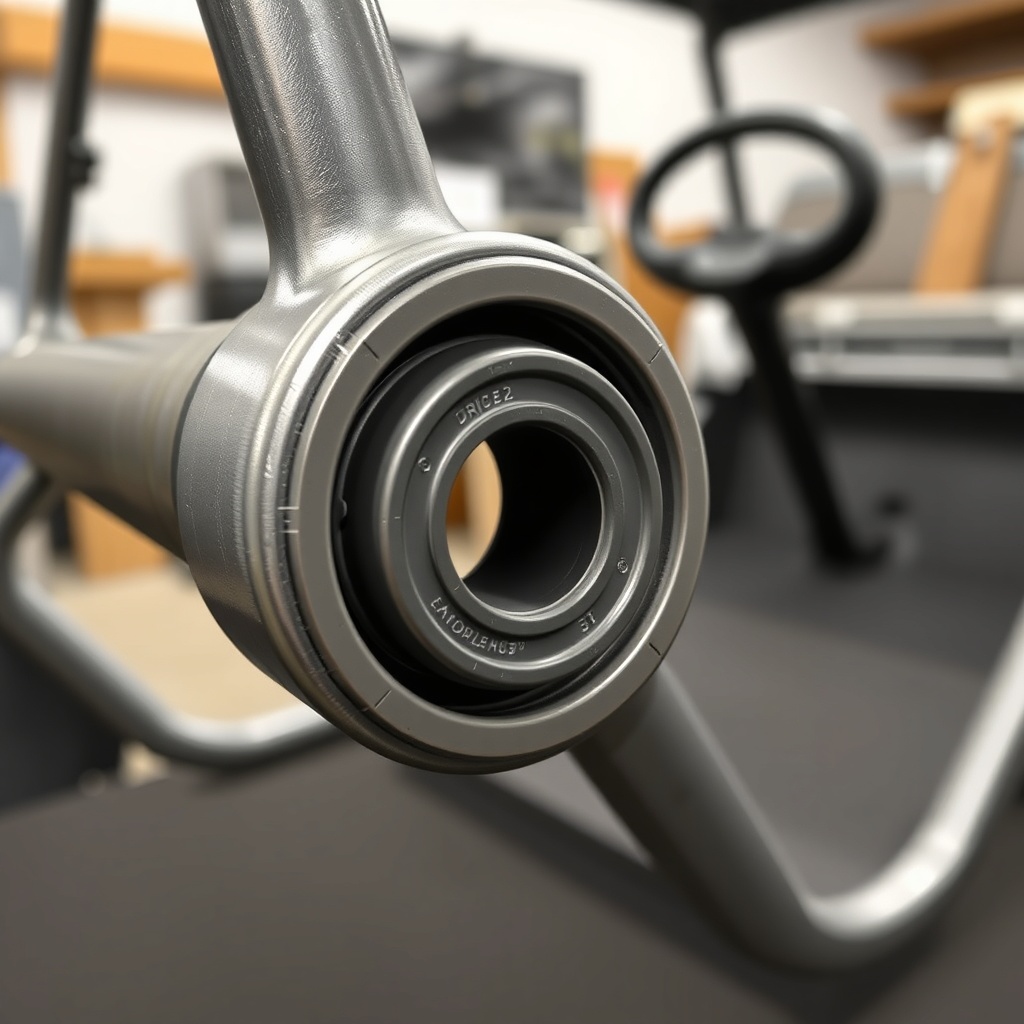
Yes, for many owners a few simple tweaks can soften the jarring ride without spending hundreds on new shocks. First, reduce tyre pressure to 18-20 PSI if you are only on pavement; the factory spec of 25 PSI creates a harsh ride. Second, install a steering damper (commonly called a stabiliser) to absorb low-speed wobbles that transfer through the steering wheel over potholes. A dampener like the Yamaha OEM stabiliser (part number JN3-88410) bolts between the steering rack and the frame for about £95. Third, replace the rubber bushings in the front control arms with polyurethane units (price: £30 for a full set). Polyurethane bushings reduce slop and vibration while still flexing for ride comfort, unlike the hard plastic replacements that transmit every road imperfection.
If your cart has more than 500 hours, the rubber in the original bushings is likely cracked. Replacing them makes a noticeable difference in how the cart tracks straight on cambered roads. These upgrades are a good starting point before committing to a full shock or lift kit.
What Owners Say
“I fitted the Monroe shocks on my 2018 Drive2 PTV. The difference is night and day on the bumpy fairways at my course. No more bottoming out over the drainage dips, and the cart feels planted at higher speeds. Took about an hour to swap all four.” — Roland, golf course owner, Scotland.
“My 6-inch lift with Fox shocks completely changed how the cart handles the rough trails behind my house. I can take corners faster without feeling like it will tip. The only downside is the ride is a bit stiffer when I’m alone on pavement, but I dialed the compression down slightly and it’s fine.” — Marta, farm owner, Ireland.
“The leaf spring upgrade was a lifesaver for hauling garden tools. My old saggy spring scraped over every speed bump. Now with the heavy-duty set, the cart sits level even with 200 kg of soil bags in the back. Highly recommend it for any utility use.” — Stephen, DIY enthusiast, Australia.
How Does Suspension Affect Battery Range and Speed?
A properly tuned suspension can indirectly improve efficiency. A cart that bounces excessively wastes energy as the motor works harder to maintain constant speed over undulations. Stiffer shocks reduce vertical motion, meaning less energy is dissipated and thus a slight increase in range—typically 2-5% on rough terrain. Similarly, a lift kit that raises the centre of gravity increases aerodynamic drag at high speeds (above 20 mph), which can reduce range by up to 10% if you drive consistently fast. For a detailed look at how your battery performs under different conditions, check out our Yamaha Drive2 PTV Battery Range Test: Real-World Results. If you are considering a governor removal for higher top speed, be aware that a lifted cart may require a steering alignment to prevent dangerous handling—see our guide on How to Remove the Governor on a Yamaha Drive2 PTV for More Speed for the full process.
| Suspension Issue | Severity |
|---|---|
| Soft ride that bottoms out over speed bumps at low speed | Usually not urgent – Can be addressed with shocks upgrade at your convenience. Monitor for scraping under load. |
| Excessive body roll when cornering at 15+ mph | Needs attention soon – Affects stability and could lead to tipping on sloped terrain. Install stiffer shocks or sway bar. |
| Rear end sags under normal passenger load (2 people) | Needs attention soon – Indicates worn leaf springs. Replace with multi-leaf set to prevent axle damage. |
| Clunking noise from front end when turning | Needs attention soon – Worn bushings or ball joints. Immediate replacement prevents steering component failure. |
Do I Need to Modify Brakes After Suspension Upgrades?
After installing a lift kit or new shocks, the braking system may require adjustment to maintain safe stopping distances. A lifted cart has a changed centre of gravity, which can cause the rear wheels to lock prematurely under hard braking—this is especially true if you also swapped to larger tyres. We recommend upgrading to a disc brake conversion kit on the rear axle to improve stopping consistency. For the standard drum brakes, a simple adjustment of the star wheel behind the hub (clockwise to tighten) can compensate for the changed ride height. Check our detailed walkthrough on How to Replace Brake Pads on a Yamaha Drive2 PTV to keep your stopping power in top shape. Additionally, if you install a 6-inch lift, consider adding a brake line extension kit to avoid stretching the rubber hoses, which could rupture at full suspension droop.
Test your brakes on a flat straightaway after any suspension change. If the pedal feels spongy or the cart pulls to one side, bleed the brake fluid and inspect for leaks. A fully loaded cart with a 6-inch lift and 25-inch tyres may require up to 30% longer stopping distance than stock, so give yourself extra room.
Frequently Asked Questions
Can I use car shocks on my Yamaha Drive2 PTV?
No, car shocks are designed for different stroke lengths and spring rates. They will not fit the mounting points and may cause the suspension to bind or damage the frame. Always use golf cart-specific parts.
How long does a suspension upgrade take to install?
A basic shock replacement takes about 1-2 hours with basic hand tools. A full 6-inch lift kit plus shock upgrade can take 4-6 hours, especially if you are also replacing bushings.
Will upgrading the suspension void my warranty?
It depends on the manufacturer. Yamaha typically allows modifications as long as they are professionally installed and do not cause damage to other components. Check your warranty terms before cutting or welding.
Do I need a step stool to get in after a 6-inch lift?
Yes, a 6-inch lift requires a step for most adults unless you have the optional running boards. Plan accordingly if you have children or elderly passengers.
What tire pressure should I run after a suspension upgrade?
Start at 18 PSI for paved use and 12-14 PSI for off-road traction. Lower pressures soften the ride further but increase rolling resistance, which affects range.
Can I combine a lift kit with standard shocks?
You can, but the ride will be very harsh because the shock operates outside its designed travel range. We recommend matching lift-specific shocks (like Fox or Monroe) to avoid top-out damage.