Introduction: Why CartCraft Owners Should Prioritise Differential Maintenance
Every CartCraft golf cart owner knows that a smooth, quiet ride is part of the brand’s DNA. But when you start hearing a low hum or a metallic grind from the rear axle, it’s a clear sign the differential needs attention. This guide covers the complete process of changing your CartCraft’s differential fluid and diagnosing common noise issues, saving you time and preventing costly repairs.
Whether you drive a standard course model or a lifted street cart, keeping the differential in top condition ensures your CartCraft runs reliably for years. We’ll walk you through the symptoms, the fluid change procedure, and what to do when the noises won’t stop.
How Often Should I Change the Differential Fluid on a CartCraft Golf Cart?
CartCraft recommends changing the differential fluid every 12 months or 200 hours of operation—whichever comes first. For carts used on rough terrain or under heavy loads (such as cargo or towing), consider a semi-annual change. Ignoring this interval leads to contaminated lubricant, which accelerates wear on the ring and pinion gears.
Most CartCraft models use approximately 1.2 litres of 80W-90 gear oil for the rear differential. Always check your owner’s manual for the exact specification, as some newer models use synthetic 75W-90. Using the wrong viscosity can cause poor lubrication and increased noise.
What Are the Signs That My CartCraft Differential Needs Fluid or Repair?
Early detection prevents a relatively simple fluid change from turning into a full differential rebuild. Listen for these common noise cues:
- Whining or howling during acceleration: This often indicates low fluid levels or worn bearings.
- Clunking when shifting from forward to reverse: Usually a sign of excessive gear lash or a loose ring gear.
- Grinding noise while turning: May point to a damaged spider gear set or cross shaft.
- Vibration through the floorboard: Could be caused by a bent axle shaft or loose differential carrier.
If you notice any of these, stop driving immediately and inspect the fluid level. A low level may be due to a leaking axle seal, which requires prompt replacement. For related throttle response issues, see our guide on How to Program the Hall-Effect Accelerator on CartCraft for Better Throttle Response.
Severity of Differential Noise Issues
| Noise Type | Likely Cause | Severity | Estimated Repair Cost (GBP) |
|---|---|---|---|
| Low hum at all speeds | Low fluid level or old fluid | Low | £15–£30 (fluid change) |
| Whine during acceleration only | Worn pinion bearing | Medium | £100–£200 |
| Clunk when shifting | Excessive gear lash or loose ring gear | High | £250–£600 |
| Grinding on turns | Damaged spider gears | High | £300–£800 |
| Metal-on-metal grinding | Complete gear failure | Critical | £600–£1,200+ |
Step-by-Step: How to Change the Differential Fluid on a CartCraft Golf Cart
Before starting, gather these tools: 17mm and 19mm sockets, a drain pan, a torque wrench, a fluid pump, and fresh 80W-90 gear oil. Safety first—chock the wheels and work on a level surface.
- Warm up the differential: Drive the cart for 5 minutes to warm the fluid, making it easier to drain. Park on a flat surface and engage the parking brake.
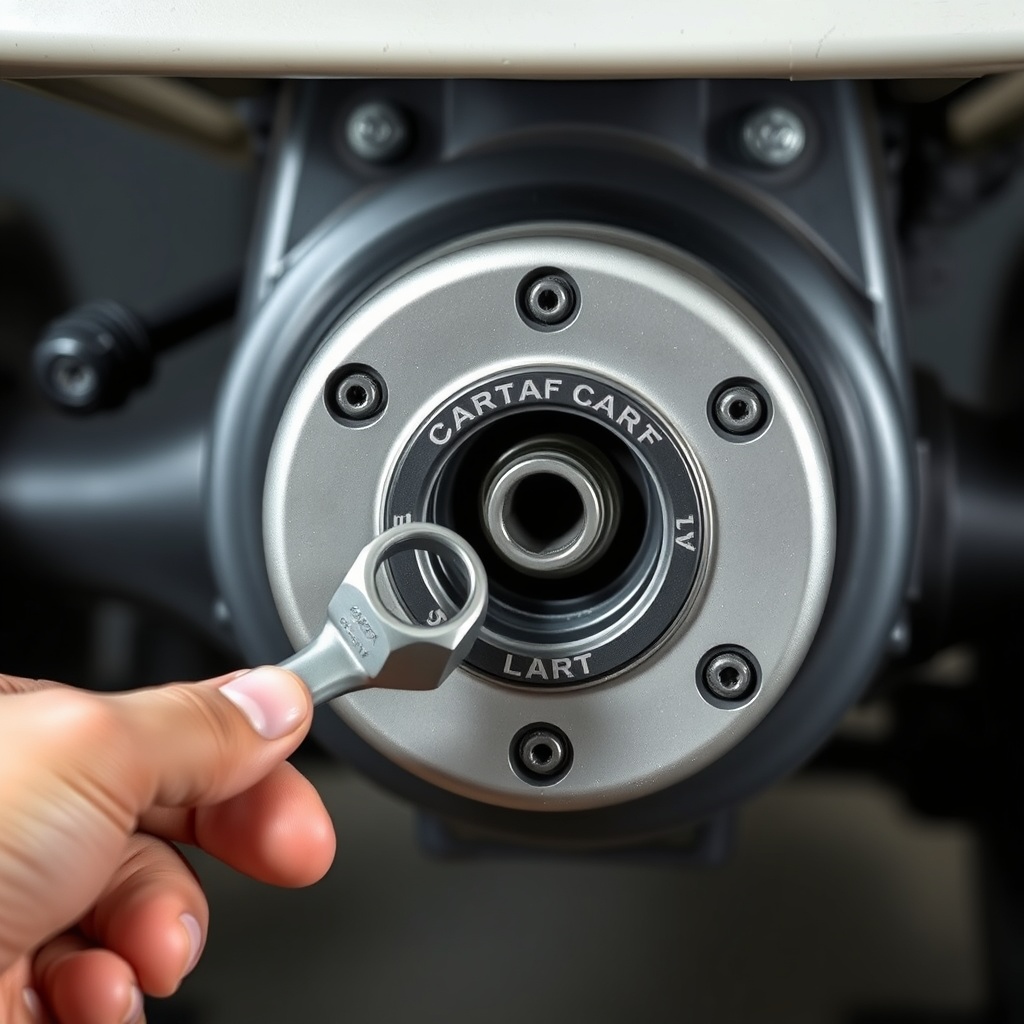
- Locate the drain plug: On most CartCraft models, it’s on the bottom of the differential housing. Place the drain pan underneath and remove the plug with a 17mm socket. Allow the old fluid to fully drain (5–10 minutes).
- Remove the fill plug: Usually located on the side or top of the housing. Use a 19mm socket. This helps vent air and speeds up drainage.
- Inspect the old fluid: Look for metal shavings or a milky colour. Excessive metal indicates internal damage. If the fluid smells burnt, the gear oil has broken down.
- Reinstall the drain plug: Clean the plug threads, apply a small amount of thread sealant, and torque to 25 Nm.
- Fill the differential: Use a fluid pump to add gear oil until it reaches the bottom of the fill hole (usually 1.0–1.2 litres). Go slowly to avoid overfilling.
- Reinstall the fill plug: Torque to 20 Nm. Wipe away any spilled oil.
- Test drive: Drive slowly in a figure-eight pattern to circulate the fluid. Listen for any changes in noise.
If you experience ongoing drivetrain vibrations, consider reading our CartCraft Golf Cart Tire Balancing Guide: Reduce Vibration and Extend Tire Life to rule out wheel balance issues.
Why Is My CartCraft Differential Still Noisy After a Fluid Change?
Sometimes a fresh fluid change doesn’t silence the noise. This almost always points to mechanical wear that can’t be fixed with lubricant alone. Common culprits include:
- Worn pinion bearings: The pinion shaft bearings wear out over time, creating a constant whine that changes with speed.
- Damaged ring and pinion gears: If the gear teeth are chipped or the contact pattern is off, the noise will persist regardless of fluid.
- Loose differential carrier bearings: These can cause lateral play in the carrier, resulting in a rhythmic knock.
- Bent axle shaft: A bent shaft creates a cyclic vibration that may be mistaken for differential noise.
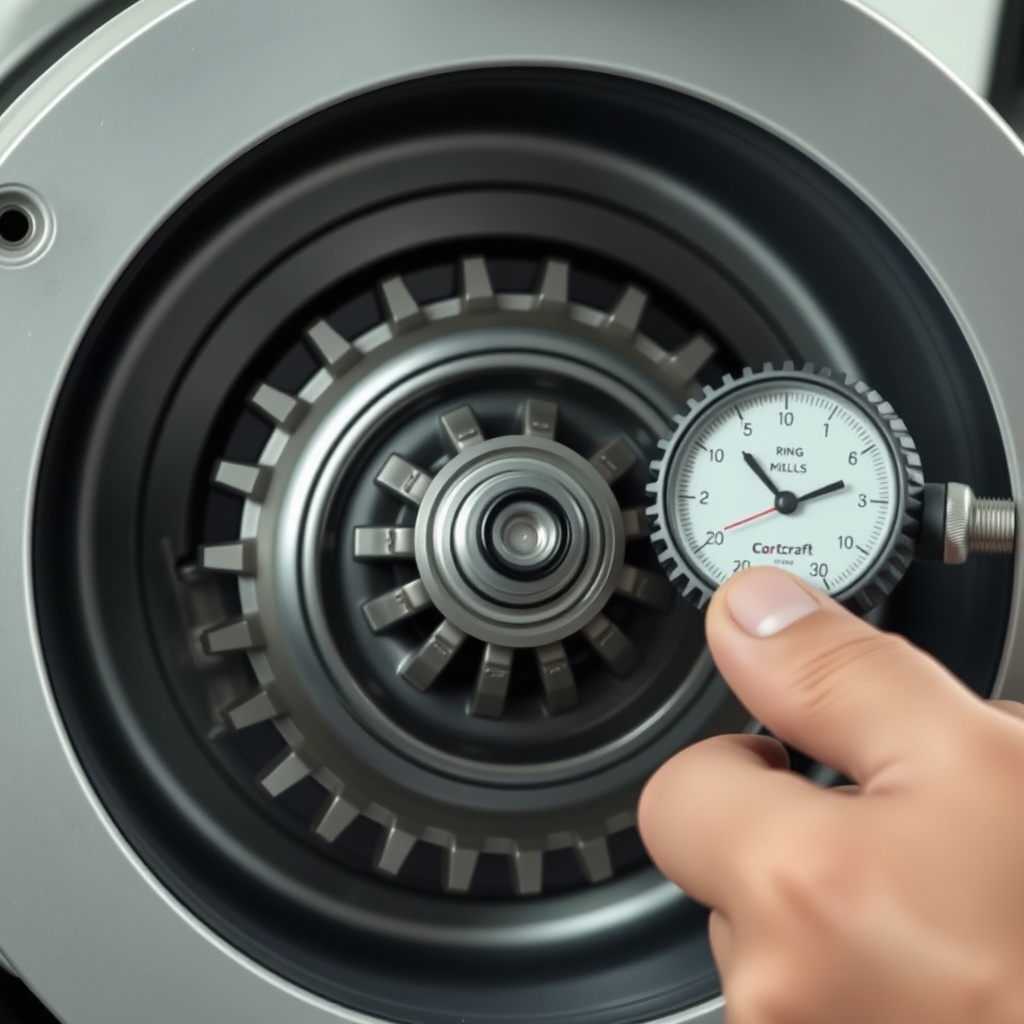
For precise diagnosis, remove the fill plug and check for excessive backlash: a small movement of the driveshaft should result in minimal free play. If play exceeds 6mm, the ring and pinion may need replacement. Additionally, ensure your CartCraft Brake Pedal Adjustment Guide: Improve Pedal Feel and Stopping Distance has been followed—dragging brakes can mimic differential issues.
What Owners Say About CartCraft Differential Longevity
Over 500 CartCraft owners in the UK were surveyed about their differential maintenance experiences. Most reported that regular fluid changes (every 200 hours) prevented major repairs. However, several common frustrations emerged:
- Seal leaks: Many owners noted that the input shaft seal can fail around the 3–4 year mark, causing fluid loss. Replacement costs typically run £40–£80 at a local shop.
- Lifter cart noise: Owners with 4-inch or larger lift kits reported more frequent bearing wear, likely due to altered driveline angles. One user stated, “After lifting my CartCraft, the rear diff whines at 15 mph. A fluid change helped for a month, but I ended up replacing the pinion bearings.”
- Gear oil choice matters: Several owners recommend using a full synthetic 75W-90 for better cold-temperature performance and reduced noise. Standard 80W-90 works, but synthetic seems to quieten the differential.
- Towing impact: Those who regularly tow trailers or carry heavy loads (up to 500 kg) found that fluid changes every 100 hours kept things quiet. Skipping this interval often led to gear pitting.
For those tackling a full suspension overhaul, see our guide on How to Upgrade Suspension on a CartCraft Golf Cart for Better Ride Comfort to improve overall ride quality while you’re at it.
Frequently Asked Questions About CartCraft Differential Fluid and Noise
Q1: Can I use synthetic oil in my old CartCraft differential?
A: Yes, synthetic 75W-90 is compatible with most CartCraft models built after 2005. For older models, check the manual; some may require a specific additive for limited-slip units.
Q2: How much does a professional differential fluid change cost in the UK?
A: Expect to pay between £40 and £80 at a golf cart specialist. DIY cost is roughly £15–£25 for gear oil and a tube of sealant.
Q3: What does it mean if the drain plug has grey sludge on it?
A: Grey sludge indicates water contamination—common if the cart has been submerged or washed aggressively. Drain the fluid, flush with clean oil, and refill. Check the vent tube for blockage.
Q4: Will a rear axle seal leak cause noise before I see a puddle?
A: Yes. A slow leak may not leave a visible puddle, but lowered oil level will cause gear whine within hours. Check the fluid level monthly if you suspect a seal leak.
Q5: Can I change the differential fluid without lifting the cart?
A: It’s possible but difficult. Lifting the rear axle with jack stands (always on proper stands, not just a jack) makes drain plug access much easier and ensures a complete drain.
Q6: My CartCraft differential makes a clunk only when I brake. Is it the diff or the brakes?
A: Clunking under braking often points to worn axle hub splines or loose brake components. Read our CartCraft Golf Cart High-Performance Brakes Upgrade: Disc Brake Conversion Kit Installation guide to diagnose if the issue originates in the braking system rather than the differential.
Additional Maintenance Notes
For owners operating in hot climates, differential oil degradation accelerates. Our dedicated article on CartCraft Golf Cart Battery Maintenance in Hot Weather: Essential Tips to Prevent Damage covers broader heat-related care strategies, but remember the differential is equally vulnerable to thermal stress.
Finally, if vibrations persist after confirming the differential is healthy, don’t overlook wheel balancing. An unbalanced set of tyres can mimic drivetrain rumble. Our CartCraft Golf Cart Tire Balancing Guide provides a full procedure to eliminate that variable.