
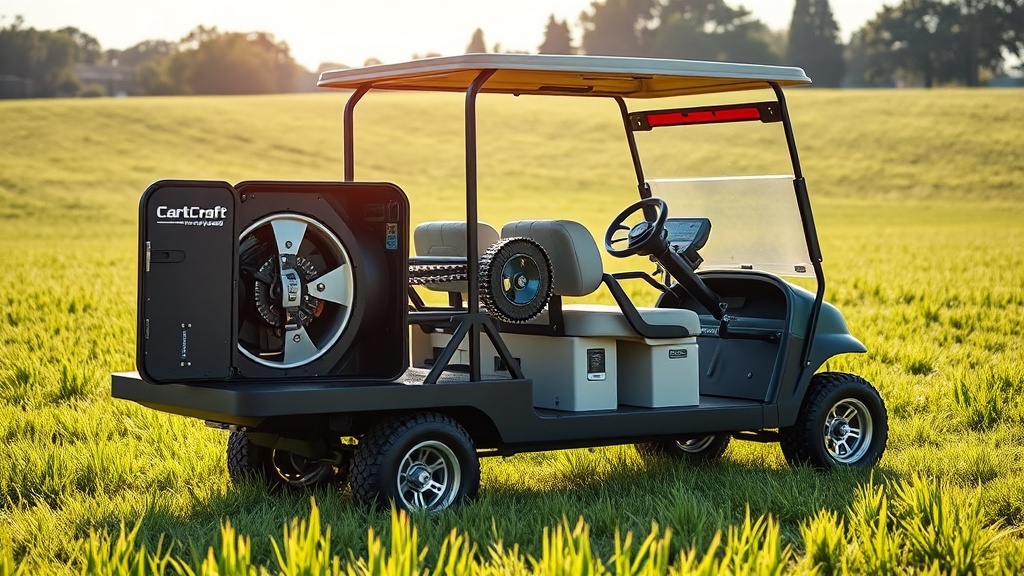
CartCraft golf carts deliver exceptional utility and fun on the course, but their torque converters require careful attention. This article provides a comprehensive guide to tuning and maintaining the torque converter system for optimal performance, longevity, and smooth power delivery. By following these procedures, CartCraft owners can prevent common failures and enhance their cart’s hill-climbing and acceleration characteristics.
Why Does the Torque Converter Performance Decrease Over Time on a CartCraft Golf Cart?
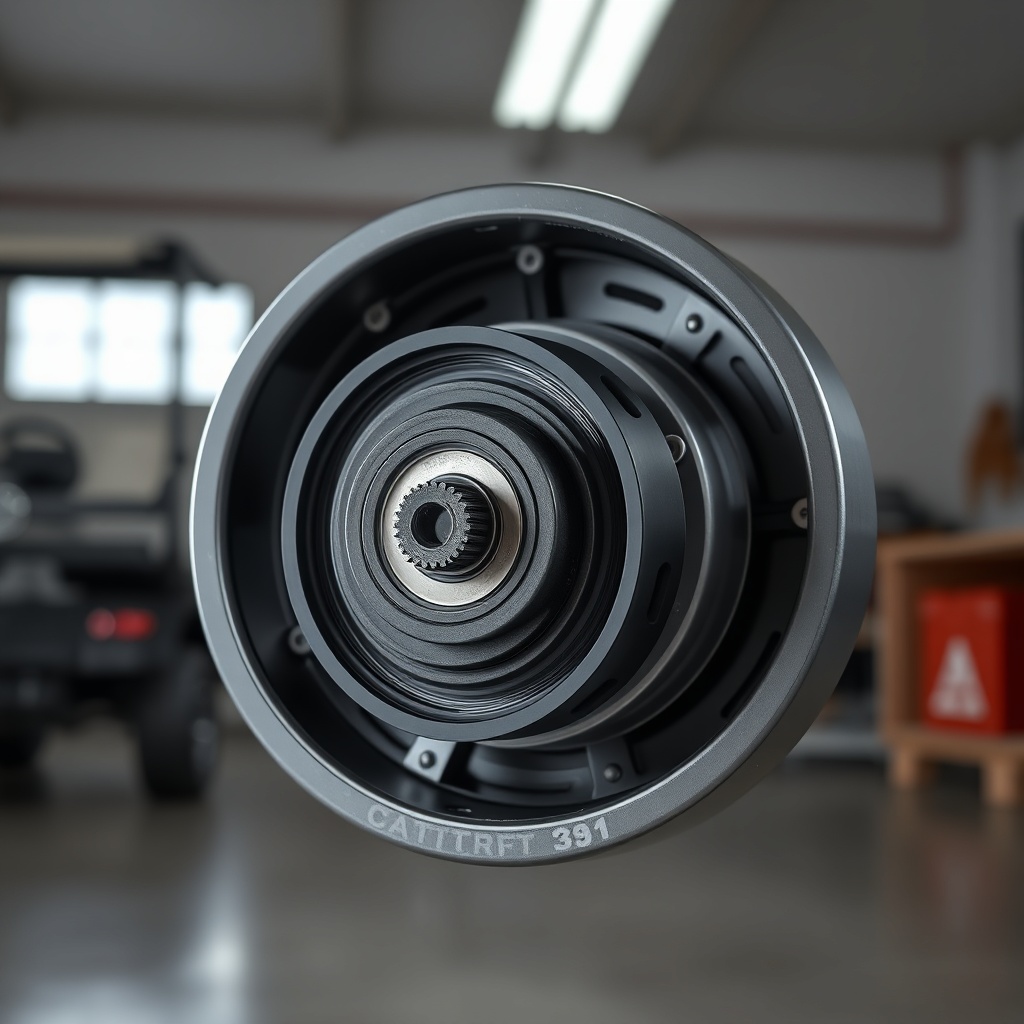
Torque converters in CartCraft models rely on a belt-driven pulley system that wears naturally with use. The primary cause of performance drop is belt glazing, where the rubber surface hardens and loses grip on the pulley faces. Additionally, the drive and driven pulley springs can weaken after 500 hours of operation, reducing the clamping force needed for efficient power transfer. Over time, dirt and debris can accumulate inside the CVT cover, interfering with belt movement and causing belt slippage under load.
How Often Should You Service the Torque Converter on a CartCraft Golf Cart?
For CartCraft models used primarily on flat courses and paved paths, a complete torque converter inspection every 12 months or 200 operating hours is sufficient. However, if you frequently drive on hilly terrain or carry heavy loads (two passengers plus equipment), reduce this interval to every 6 months or 100 hours. Belt replacement is typically required every 400–600 hours, depending on driving conditions. Spring replacement for the drive pulley should be considered every 300 hours to maintain optimal shift timing.
What Are the Signs That Your CartCraft Torque Converter Needs Tuning?
- **Belt chirping or squealing on hard acceleration** – indicates belt glazing or misalignment.
- **Low acceleration from a standstill** – belt may be slipping at low speeds.
- **Hesitation when climbing hills** – springs may have lost tension, causing belt to sit in high-ratio position too early.
- **Excessive belt wear (cracks, fraying, glazing)** – visible inspection reveals damage.
- **Belt dust accumulation inside CVT housing** – normal wear, but excessive amounts signal belt degradation.
- **Engine revs high but cart moves slowly** – classic symptom of worn belt or oil contamination on pulleys.
Step-by-Step Torque Converter Tuning Process for CartCraft Golf Carts
Preparation
Park the CartCraft on a level surface, engage the parking brake, and disconnect the negative battery terminal. Remove the CVT cover (usually held by 6–8 bolts) to expose the torque converter assembly. Clean the interior with compressed air and a soft brush, avoiding solvents near the belt.
Belt Inspection and Replacement
Measure belt width with a caliper; replace if it is less than 1.25 inches for most CartCraft models. Inspect for cracks, fraying, or uneven wear. If replacing, use an OEM or high-quality aftermarket belt rated for your cart’s engine. Install the new belt by wrapping it around the drive pulley first, then using a screwdriver to gently pry it over the driven pulley while rotating the pulley manually.
Pulley Cleaning and Lubrication
Clean pulley faces with fine-grit emery cloth (400 grit) to remove glaze and buildup. Wipe clean with a dry cloth. Do not lubricate the belt or pulley faces, but apply a dry lubricant to the movable pulley sliding surfaces (follow manufacturer specs). Check that the driven pulley opens and closes smoothly without binding.
Spring Tension Adjustment
For CartCraft models with adjustable secondary springs, change the preload to increase or decrease shift timing. A stiffer spring raises the engagement RPM for more acceleration from a stop, while a softer spring promotes earlier upshifts for better fuel economy. Most tuning kits include a spring tension chart.
| Component | Adjustment | Performance Effect | Maintenance Interval (hours) |
|---|---|---|---|
| Belt tension | Replace worn belt | Restores low-end torque | 400–600 |
| Drive spring preload | Increase stiffness | Higher engagement RPM, faster acceleration | 300 |
| Driven spring preload | Decrease stiffness | Earlier upshifts, smoother cruising | 300 |
| Pulley face cleaning | Emery cloth refinishing | Reduces belt slippage | 200 |
| CVT cover gasket | Replace if damaged | Prevents dirt ingress, prolongs belt life | As needed |
How Do You Adjust the Engagement RPM on a CartCraft Golf Cart?
Engagement RPM determines how fast the engine spins before the belt starts transferring power. To increase engagement RPM (for snappier takeoff), install a stiffer primary spring from your CartCraft dealer (typically £25–£45 per kit). Alternatively, some models allow preload adjustment by repositioning the spring tab on the primary pulley. Remove the bolt holding the movable face, slide the spring to the next notch (if equipped), and reassemble. Test drive to confirm engagement feels responsive without excessive surging.
For those combining performance mods, consider pairing torque converter tuning with an upgraded suspension system to handle the increased acceleration forces without compromising stability.
What Maintenance Steps Extend Torque Converter Life in Hot Weather?
Heat is the number one enemy of the torque converter belt. In hot weather, belt rubber softens, accelerating glazing and cracking. To protect your CartCraft’s CVT, ensure the cooling fan on the driven pulley is clean and unobstructed. Inspect the intake vent on the CVT cover and clean any debris. Avoid prolonged full-throttle runs in high heat; let the belt cool by idling for 30 seconds after heavy use. Also, verify that your battery is maintained properly in hot weather, as battery power loss can cause the engine to run at suboptimal RPMs, straining the torque converter.
What Owners Say
CartCraft owners across forums frequently praise the torque converter’s reliability when maintained correctly. “After I cleaned my pulleys and installed a new belt, my 2019 CartCraft climbs the 15-degree hill near our clubhouse with no hesitation,” reports David from Devon. Another owner, Sarah in Suffolk, notes, “Adjusting the primary spring was the best £30 I spent—my cart now accelerates smoothly and doesn’t bog down with two passengers.” Some owners caution against over-tightening the belt, as that leads to premature bearing wear. Overall, the consensus is that a properly tuned torque converter transforms a standard CartCraft into a responsive machine.
Frequently Asked Questions
Can I use a car-type automatic transmission fluid in my CartCraft torque converter?
No. CartCraft torque converters are dry clutch CVT systems and do not use fluid. Adding transmission fluid will damage the belt and pulleys.
How much does a torque converter belt replacement cost for a CartCraft?
A genuine CartCraft replacement belt typically costs £60–£90, while high-performance aftermarket belts range from £40–£70. Labour is £40–£80 if done professionally.
What should I do if my CartCraft torque converter whines when accelerating?
A whining noise often indicates a misaligned belt or worn pulley bearings. Inspect the belt for uneven wear, check pulley alignment, and listen for bearing rumble. If bearings are failing, replace the pulley assembly.
Is it possible to tune the torque converter for higher top speed?
Yes, by installing a lighter spring or a shorter belt, you can shift the belt to a higher ratio at lower RPMs, increasing top speed. However, this sacrifices acceleration. A custom tuning kit from CartCraft specialists can balance both goals.
Why does my CartCraft torque converter belt smell like burning rubber?
Burning rubber smell indicates belt slippage under extreme load. This often occurs from overloading, steep hills with heavy cargo, or a glazed belt. Replace the belt and check for oil contamination on pulley faces.
Can I replace the torque converter springs myself?
Yes, with basic tools (screwdrivers, socket set, and spring compressor). Follow the manual instructions for your CartCraft model. If unsure, consult a professional to avoid damaging the CVT components.