Why Is a Differential Fluid Change Important for Your CartCraft Golf Cart?
The differential in your CartCraft golf cart is a critical component that transfers power from the motor to the rear wheels while allowing them to rotate at different speeds during turns. Over time, differential fluid breaks down due to heat, moisture ingress, and contamination from metal particles. Neglecting this fluid change can lead to excessive wear, gear whine, or total differential failure. For a CartCraft owner in the UK, where damp conditions and varying terrain are common, regular differential maintenance is key to extending the life of your cart. A fresh fluid change at recommended intervals ensures smooth operation and protects your investment, which can cost anywhere from £2,500 to £8,000 for a new or used model.
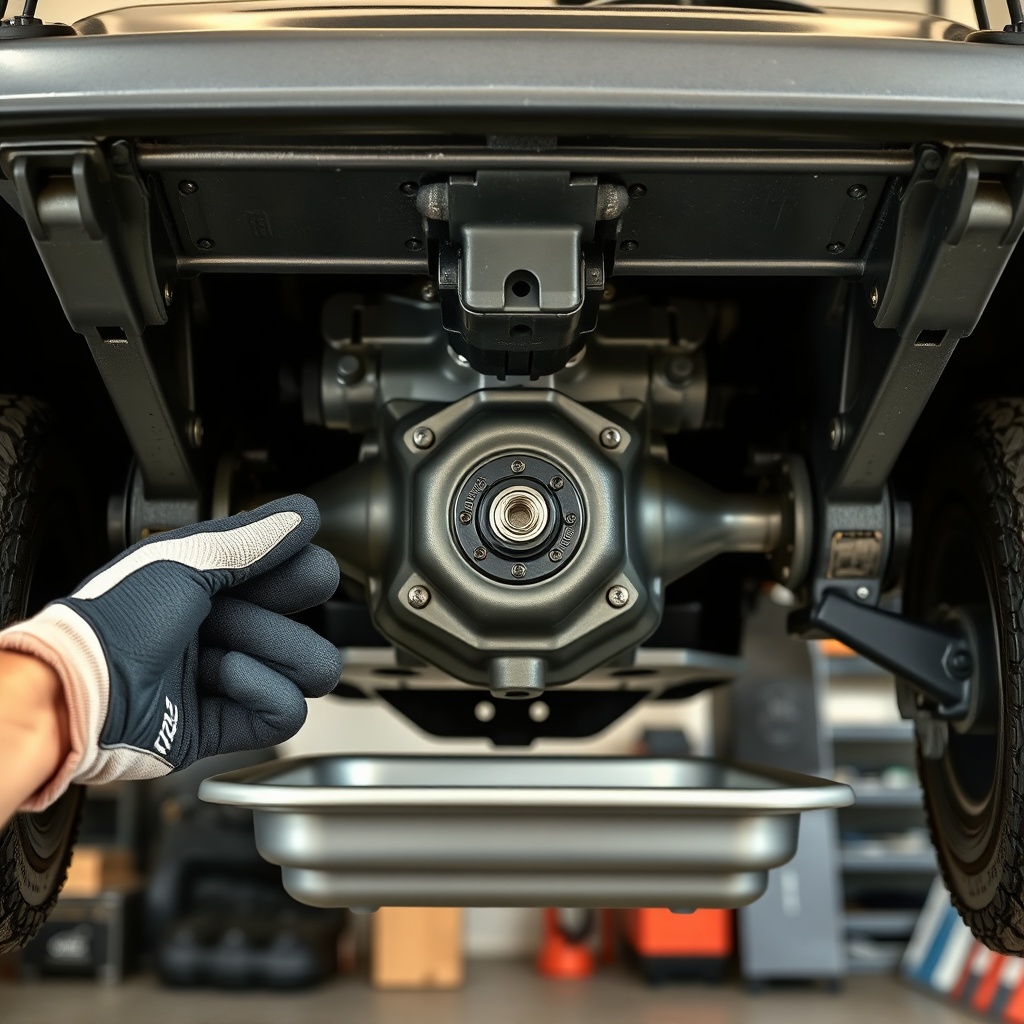
What Are the Symptoms That Your CartCraft Differential Needs Attention?
Recognising the early warning signs of differential trouble can save you from costly repairs. Here are the most common noise issues and their typical causes:
- Whining or howling sound during acceleration or deceleration: Often indicates worn gear teeth, incorrect backlash, or insufficient fluid level. This is the most frequent complaint from CartCraft owners.
- Clunking or grinding noise when turning: Suggests problems with the spider gears or side gears inside the differential. This may also be linked to a binding drivetrain.
- Chattering noise from the rear axle: A sign of contaminated or degraded fluid. If the fluid looks milky, water has entered the differential.
- Vibration through the floorboard: Could be a symptom of a failing bearing within the differential housing, not just tyre pressure issues. Be sure to check your CartCraft Golf Cart Tire Pressure Tips first to rule out a simpler cause.
- Fluid leaks: Oil spots under the rear of the cart indicate a failing axle seal or a loose differential cover.
If you hear any of these noises, do not ignore them. Running a CartCraft differential with low or degraded fluid can cause permanent gear damage, requiring a full rebuild that can exceed £500 in parts and labour.
What Tools and Materials Do You Need for a CartCraft Differential Fluid Change?
Before starting the procedure, gather the following equipment. The job is straightforward for a DIY mechanic, but having the right gear prevents frustration and mistakes.
| Item | Specification / Recommendation | Estimated Cost (UK) |
|---|---|---|
| Differential fluid | SAE 80W-90 GL-5 gear oil (approx. 0.6–0.8 litres for most CartCraft models) | £12 – £20 per litre |
| Drain pan | A minimum 1-litre capacity, ideally with a spout for pouring | £5 – £10 |
| Socket or wrench set | 10 mm and 12 mm sockets for drain and fill plugs (verify on your specific model) | £15 – £30 (if not owned) |
| Funnel (flexible or long neck) | Narrow enough to fit into the fill hole | £2 – £5 |
| Leather gloves and rags | To protect from hot fluid and for cleanup | £5 (disposable) |
| Torque wrench | 19–25 N·m for drain plug, 25–30 N·m for fill plug (check manual) | £25 – £50 (if not owned) |
| Gasket or sealant (optional) | If drain plug has a copper washer, replace it; otherwise use thread sealant | £3 – £8 |
Always consult your CartCraft owner’s manual for the exact fluid type, capacity, and torque specifications. Some newer CartCraft models may require synthetic 75W-90 gear oil, which is more expensive but offers better high-temperature protection.
How to Perform a Differential Fluid Change on a CartCraft Golf Cart
Follow these steps carefully to ensure a clean and effective fluid change. Safety first: always park on a level surface, engage the parking brake, and chock the wheels.
- Step 1: Prepare the cart. Raise the rear of the cart using a jack or lift with jack stands for easier access. Ensure the cart is stable.
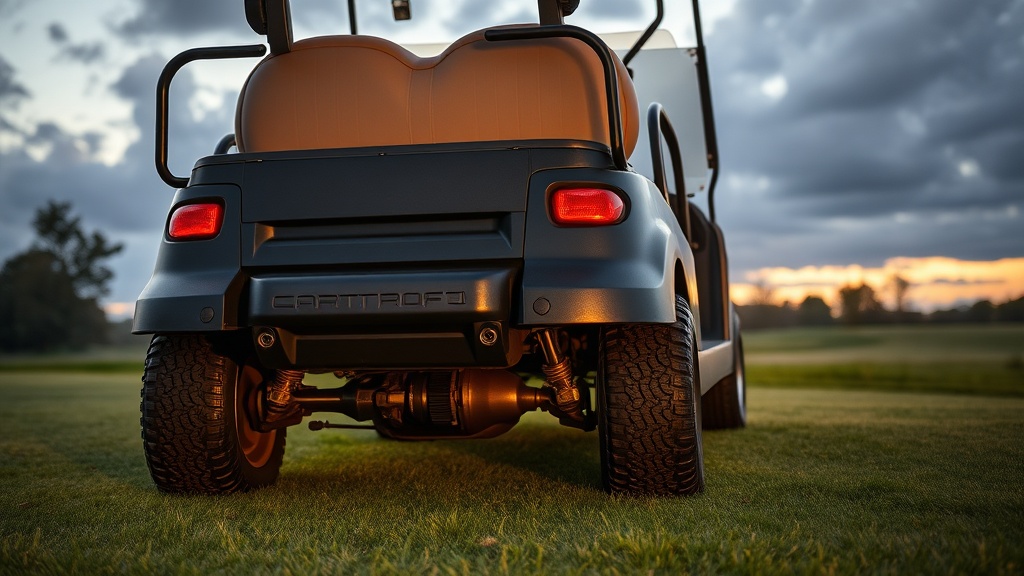
- Step 2: Locate the differential. It is the large metal housing between the rear wheels, with two plugs: a lower drain plug (usually facing downwards) and an upper fill plug (on the side or top).
- Step 3: Drain the old fluid. Place the drain pan under the drain plug. Remove the fill plug first (to allow air in), then remove the drain plug. Allow the fluid to drain completely. This may take 5–10 minutes.
- Step 4: Inspect the drained fluid. Look for metal shavings, water droplets, or a burnt smell. A small amount of fine metallic dust is normal on a high-mileage cart, but large chunks indicate serious wear requiring further inspection.
- Step 5: Reinstall the drain plug. Clean the plug threads and replace the washer if needed. Torque to the specified value (usually 19–25 N·m).
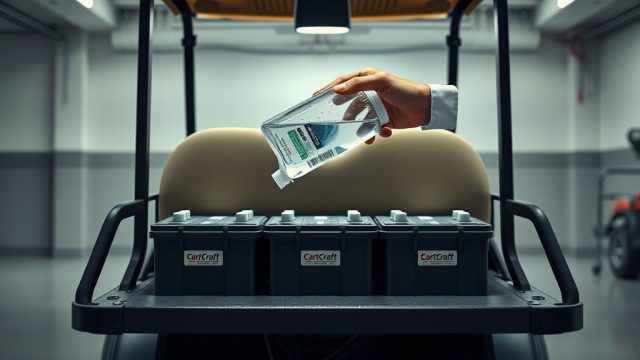
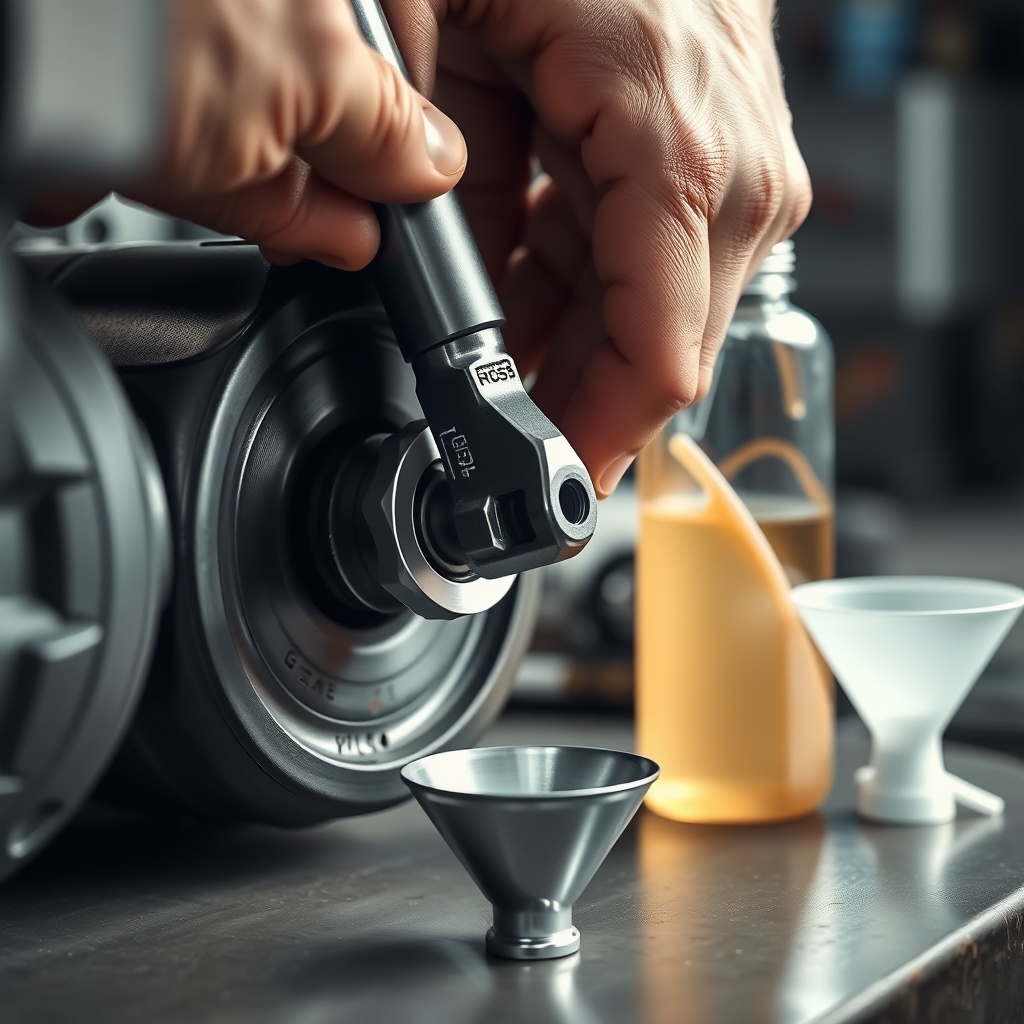
- Step 6: Fill with new fluid. Using a funnel, pour the recommended amount of gear oil into the fill hole. Fill until the fluid just begins to run out of the hole (for a level cart). Do not overfill.
- Step 7: Replace the fill plug. Clean and torque the fill plug to 25–30 N·m. Wipe away any spills.
- Step 8: Test the cart. Lower the cart and test drive it in an area where you can listen for any remaining noise. If the whining persists after the change, this points to a mechanical issue beyond just fluid quality.
Performing this service every 12 months or 200 hours of operation is a good rule of thumb. If you notice any electrical issues while working, such as a dead battery or dimming lights, check our guide on CartCraft Voltage Regulator Troubleshooting to rule out charging system problems.
How to Troubleshoot Noise After a Differential Fluid Change
Occasionally, a fluid change does not resolve the noise. Here are the most likely culprits and their fixes:
- Persistent whine under load: This suggests worn ring and pinion gears. You may need to adjust gear lash (backlash) which is a job for a specialist. Expect costs of £150 to £300 for a shop to reset gears.
- Clunking after straight-line driving: Worn universal joints (U-joints) on the drive axle. CartCraft Golf Cart Brake Upgrade Kit Installation often involves removing these components, so if you recently upgraded brakes, verify U-joint condition.
- Metal shavings in the new fluid: Drain the fluid again after 50 miles to check. If shavings reappear, a gear or bearing is failing. This often requires a differential rebuild or replacement unit, costing £300 to £600.
- Noise only when turning: Check tyre inflation first, as uneven pressure can mimic differential noise. Then inspect the spider gears. A limited-slip additive (available for about £10) may help quiet chattering in some cases, but only if your manual allows it.
- Vibration with a rhythmic thumping: A bent axle shaft or damaged wheel bearing. This is not always differential-related, but should be investigated immediately to avoid safety risks.
If you recently installed a GPS speedometer on your CartCraft, compare your speed readings to real-world conditions. Incorrect speed data can sometimes highlight wheel or axle issues that mimic differential problems.
What Owners Say About Common CartCraft Differential Issues
Over the years, CartCraft owners in the UK have shared a variety of experiences regarding differential maintenance and noise. Here are some typical comments collected from enthusiast forums and local repair shops:
- “My 2019 CartCraft started howling at around 1,200 miles. I changed the fluid to synthetic 75W-90, and the noise dropped by 80%. Two months later, it came back. Ended up being a worn pinion bearing – had to have the diff rebuilt for £350.”
- “After a wet summer of golfing, my differential sounded like it was grinding stones. The fluid came out milky. A fresh change with GL-5 oil fixed it completely. Now I check the breather tube every spring.”
- “I changed my fluid at home and accidentally overfilled it. Got a loud whine on the next ride. Let some out until it levelled, and the noise vanished. Don’t overfill!”
- “I fitted the CartCraft Golf Cart Brake System Upgrade Guide brakes last year. The new rotors changed the axle load slightly, and I started hearing a click on corners. It turned out the diff fluid was low from the previous owner – not the brakes. Always check fluids first when installing new parts.”
- “Used the cheap stuff from a supermarket and regretted it. The gears chattered even more. Spent £18 on a premium brand synthetic, and it’s been silent for three seasons. You get what you pay for.”
- “Forget the dealer. I take my CartCraft to a local farm vehicle mechanic. He charged £45 labour for a fluid change – cheaper than the parts markup at the dealership. Problem solved within an hour.”
These real-world accounts highlight that while differential fluid changes are simple, they are not always a cure-all. Subtle issues often require professional diagnosis. If you are unsure, a good next step is to test drive after a stereo installation, as removing interior panels gives access to the rear area where noises may be misdiagnosed as audio rattles.
Frequently Asked Questions
- How often should I change the differential fluid in my CartCraft golf cart?
Ideally every 12 months or 200 hours of operation, whichever comes first. If you frequently drive in wet conditions or on hills, consider changing it every 6 months. Always check your owner’s manual for the exact schedule. - Can I use motor oil in my CartCraft differential?
No. Motor oil (engine oil) is not formulated for the high-pressure sliding action of gears. Use only SAE 80W-90 GL-5 gear oil or the synthetic equivalent specified in your manual. Incorrect fluid will cause rapid wear and void warranties. - What does it mean if my differential fluid looks milky?
Milky or foamy fluid indicates water contamination. This often happens when the differential breather tube is clogged or submerged during driving in puddles. Drain and refill immediately, and inspect the breather system. Continued operation with water in the diff can cause rust and gear damage. - Is a differential fluid change a DIY job for a beginner?
Yes, it is one of the simplest maintenance tasks on a CartCraft. The hardest part is safely lifting and supporting the cart. If you have basic tools, a drain pan, and follow the steps in this guide, you can do it in under an hour. Do not forget to torque the plugs to prevent leaks. - Why does my CartCraft differential whine only when turning left?
This is often a sign of wear in the left-side spider or side gear. However, it can also relate to tyre pressure differences, a damaged left axle bearing, or a bent axle shaft. Check the simple things first, then consult a mechanic if the noise persists after a fluid change. - Can I drain the differential without removing the rear wheels?
Yes, usually. Most CartCraft models have drain and fill plugs accessible from under the cart without removing wheels. However, if the cart sits very low or has a lifted kit, you may need jack stands to gain enough clearance. Always ensure the cart is stable before crawling underneath.