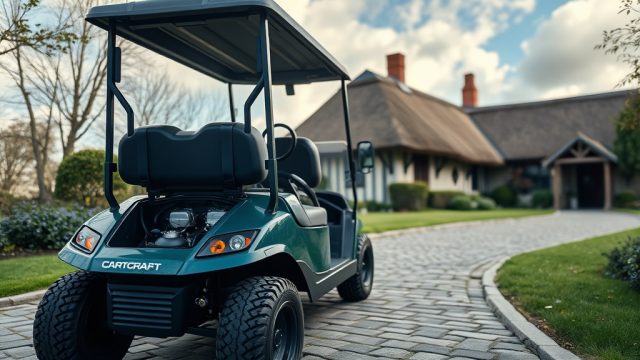

When a CartCraft golf cart refuses to start, the culprit is often the solenoid—a critical electrical relay that controls power flow from the battery to the motor. Understanding how to diagnose, test, and replace this component can save owners significant time and money. This guide covers common no-start scenarios specific to CartCraft models, offering step-by-step troubleshooting and replacement procedures.
What Does the Solenoid Do on a CartCraft Golf Cart?
The solenoid acts as a heavy-duty switch that connects the battery pack to the controller and motor when the accelerator pedal is pressed. On a CartCraft golf cart, it typically receives a small current from the ignition key and pedal switch, then closes a high-current circuit. If the solenoid fails, no power reaches the motor—even if the batteries are fully charged. Common failure points include burnt contacts, a stuck plunger, or a faulty coil.
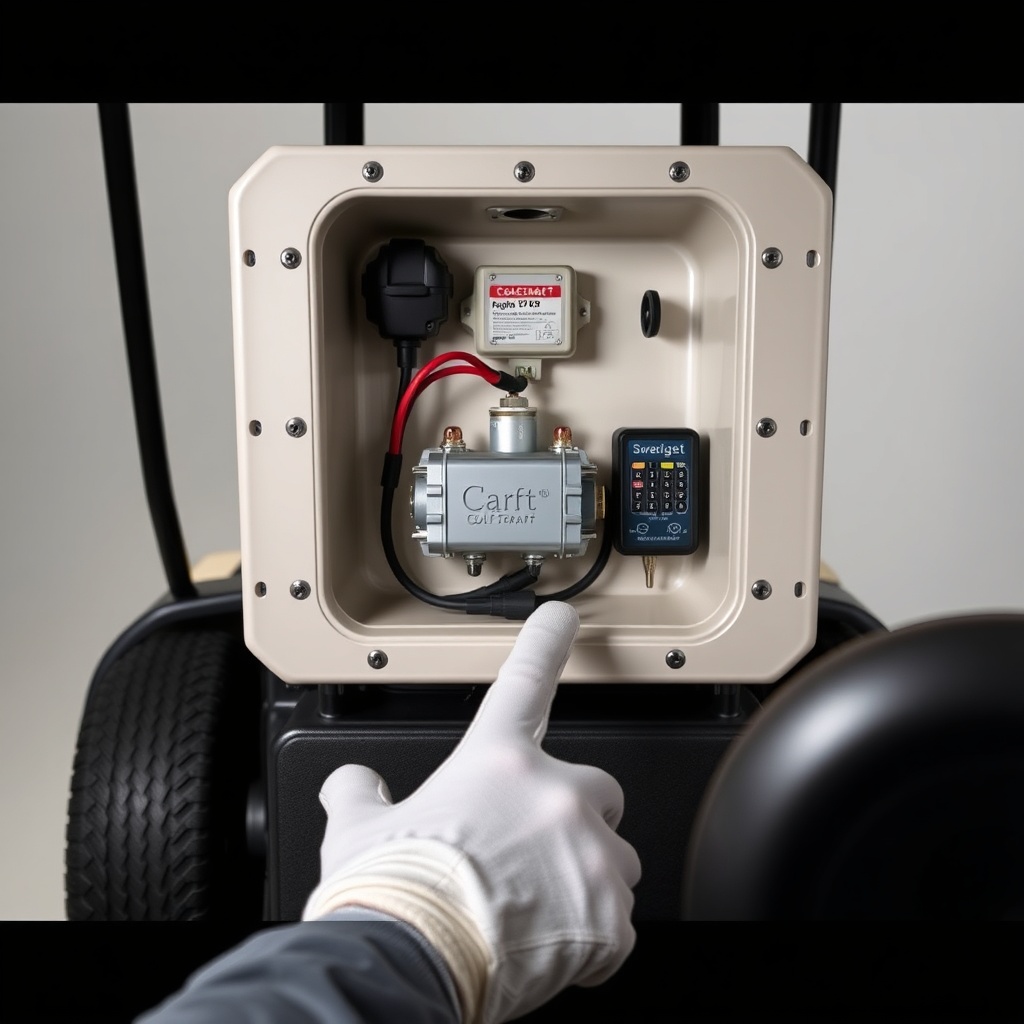
How Do I Know If My CartCraft Solenoid Has Failed?
Several symptoms indicate solenoid problems. The most obvious is a complete no-start when the battery pack voltage is above 36V for a standard CartCraft model. Other signs include:
- Clicking sound but no movement: A single loud click from the solenoid when pressing the accelerator often means the coil works but the contacts are burned or pitted.
- No click at all: This suggests the solenoid coil is open, the pedal switch is faulty, or there is a wiring break.
- Intermittent operation: The cart runs sometimes but stops unpredictably, often due to loose connections or a solenoid near failure.
- Battery drain: A stuck solenoid that stays closed can drain the battery pack overnight.
To confirm, use a multimeter to check for battery voltage at the solenoid’s large terminals when the pedal is pressed. If battery voltage is present on the input side but not on the output side, the solenoid is likely defective.
Step-by-Step Solenoid Replacement for a CartCraft Golf Cart
Replacing the solenoid on a CartCraft golf cart is a straightforward job that most owners can complete in about an hour. Follow these steps carefully:
- Safety first: Disconnect the main negative battery terminal and wait 5 minutes for capacitors to discharge.
- Locate the solenoid: On CartCraft models, it is usually mounted near the controller under the seat or in the battery tray.
- Label and disconnect wires: Take a photo or label each wire. There are typically two large battery cables (B+ and B-) and two small coil wires.
- Remove the mounting bolts: Use a socket or nut driver to unbolt the solenoid from its bracket.
- Install the new solenoid: Position it in the same orientation. CartCraft models use a standard 36V or 48V coil, so ensure the replacement matches your cart’s voltage.
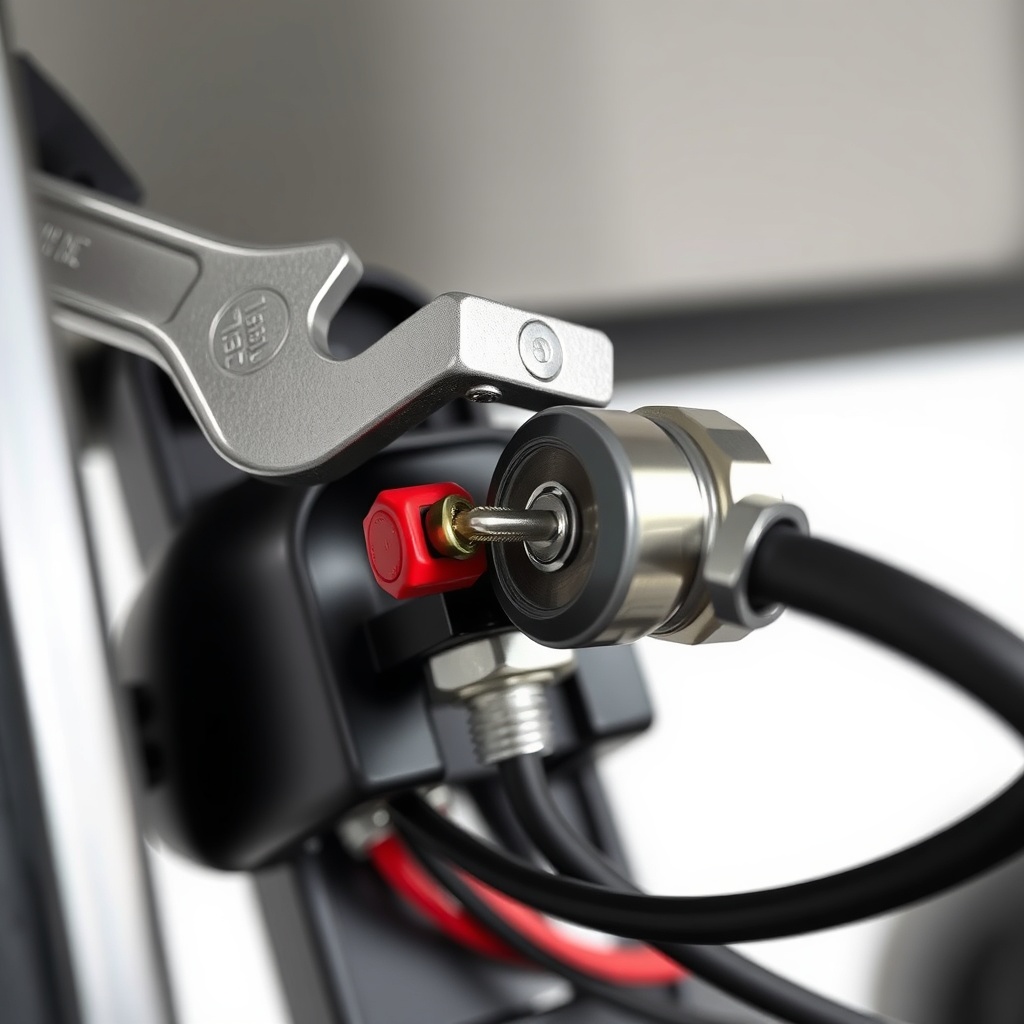
- Reconnect wires: Tighten large terminal nuts to 10–12 Nm (90–105 in-lb). Small coil wires are spade connectors—push them firmly until they click.
- Reconnect battery and test: Reattach the negative terminal, turn the key to “run,” and press the accelerator. The solenoid should click and the cart should move.
If the cart still does not start, inspect the pedal switch and wiring harness for damage. For more on electrical upgrades, see the CartCraft Golf Cart High-Performance Battery Controller Installation guide.
Solenoid Troubleshooting Table: Symptoms, Causes, and Fixes
| Symptom | Likely Cause | Fix | Severity (1–10) |
|---|---|---|---|
| Loud click, no movement | Burnt solenoid contacts | Replace solenoid (around £45–£80) | 7 |
| No click, battery voltage OK | Failed solenoid coil or pedal switch | Test coil resistance (should be 15–30 ohms); replace if infinite | 8 |
| Intermittent start | Loose terminal connection or failing solenoid | Tighten nuts to 10–12 Nm; test with multimeter | 5 |
| Cart runs with key off | Stuck solenoid (welded contacts) | Immediate replacement; check controller | 9 |
What Owners Say About CartCraft Solenoid Issues
CartCraft golf cart owners in the UK report that solenoid problems are most common after 3–5 years of regular use, especially on carts used on hilly courses. One owner from Surrey noted that his 2019 CartCraft started clicking but would not move after a wet season—replacing the solenoid with a heavy-duty 48V unit solved the issue completely. Another owner from Kent shared that diagnosing the no-start took longer than the replacement itself; she used a simple test light to confirm the solenoid received power from the pedal switch. Many owners stress the importance of buying a genuine or high-quality replacement solenoid, as cheap units can fail within months. For those upgrading performance, reading the How to Upgrade Suspension on a CartCraft Golf Cart for Better Ride Comfort article can complement electrical work. A common tip is to apply dielectric grease to all electrical connections to prevent corrosion, which extends solenoid life.
Can a Faulty Solenoid Damage the Controller or Motor?
Yes, a failing solenoid can cause collateral damage. If the solenoid sticks in the “on” position, the motor may run continuously even when the pedal is released, leading to overheating and potential motor failure. Conversely, a solenoid that chatters (rapidly clicks on and off) can send voltage spikes to the controller, damaging its internal MOSFETs. CartCraft owners should replace a suspect solenoid promptly. For more on drivetrain health, see CartCraft Golf Cart Differential Fluid Change and Troubleshooting Noise Issues. A check of the pedal switch and controller is wise after a solenoid failure to ensure no secondary damage has occurred.
Frequently Asked Questions
1. What voltage solenoid does my CartCraft golf cart use?
Most CartCraft models use a 36V or 48V coil solenoid, depending on the battery pack. Check the voltage rating on the old solenoid—it is usually printed on the side. Using the wrong voltage can prevent proper operation.
2. How much does a CartCraft solenoid replacement cost?
A replacement solenoid typically costs between £35 and £85 for a quality unit. If you hire a technician, labour adds about £50–£80, so a DIY replacement saves money.
3. Can I test the solenoid without removing it?
Yes—use a multimeter set to DC volts. With the key on and pedal pressed, check for battery voltage on the large output terminal. If voltage is present on the input but not the output, the solenoid is bad.
4. My CartCraft clicks but doesn’t move. Is it always the solenoid?
While the solenoid is a primary suspect, other causes include a weak battery pack, a faulty controller, or a stuck motor. Test battery voltage under load first, then the solenoid.
5. Should I upgrade to a heavy-duty solenoid?
If you have upgraded your motor or controller, a heavy-duty solenoid (e.g., 200A continuous) is recommended. For stock CartCraft carts, the OEM spec is sufficient. See the CartCraft Golf Cart Torque Converter Tuning and Maintenance for Optimal Performance guide for related adjustments.
6. How long does a solenoid last on a CartCraft?
Average lifespan is 4–6 years with normal use. Factors include dust, humidity, and frequency of pedal presses. Regular cleaning of connections can prolong life.