
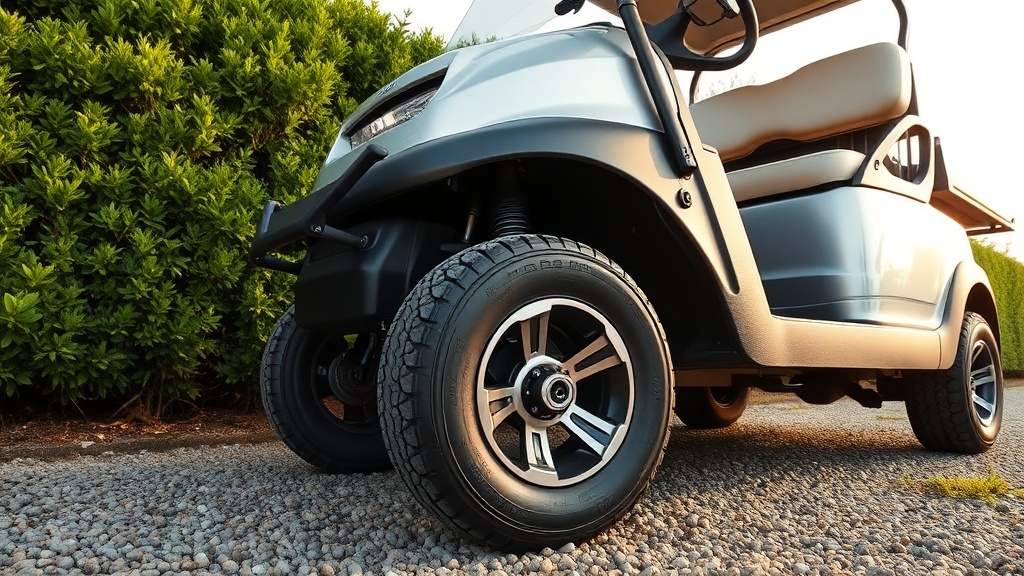
When the plush, smooth ride of a Club Car Onward 4 Passenger begins to feel harsh, bouncy, or uneven, it is usually the suspension that requires attention. This guide provides a systematic approach to diagnosing common ride problems, from sagging leaf springs to worn-out shocks, and outlines practical fixes. Whether the cart is used for carrying guests across a golf course or for neighbourhood errands, restoring suspension health is essential for comfort and safety. For those seeking a complete performance transformation, the Club Car Onward 4 Passenger Suspension Upgrade Guide offers extensive aftermarket solutions.
Why Is the Club Car Onward 4 Passenger Leaning to One Side?
A cart that tilts noticeably to the left or right is often a sign of uneven spring sag or a broken leaf. The Onward uses a multi-leaf spring setup on the rear axle; over time, the driver’s side spring, which bears the most weight, can fatigue faster. This imbalance may also occur if one of the shackles (the brackets connecting the spring to the frame) is bent or seized.
Diagnosis steps:
- Park the cart on a flat, level surface and measure the distance from the top of the tyre to the underside of the wheel arch on both sides.
- If the difference exceeds 12 mm, inspect the leaf springs for cracks or flattened arch.
- Check the shackle bolts for rust and free movement; a seized shackle can lock the spring in a compressed state.
Fixes: Replace the affected leaf spring as a pair (both sides) to maintain symmetry. Ensure all shackle bolts are greased and able to pivot freely. If the cart has a lift kit installed, verify that the lift blocks are not causing a load imbalance.
How to Diagnose a Noisy Suspension on a Club Car Onward?
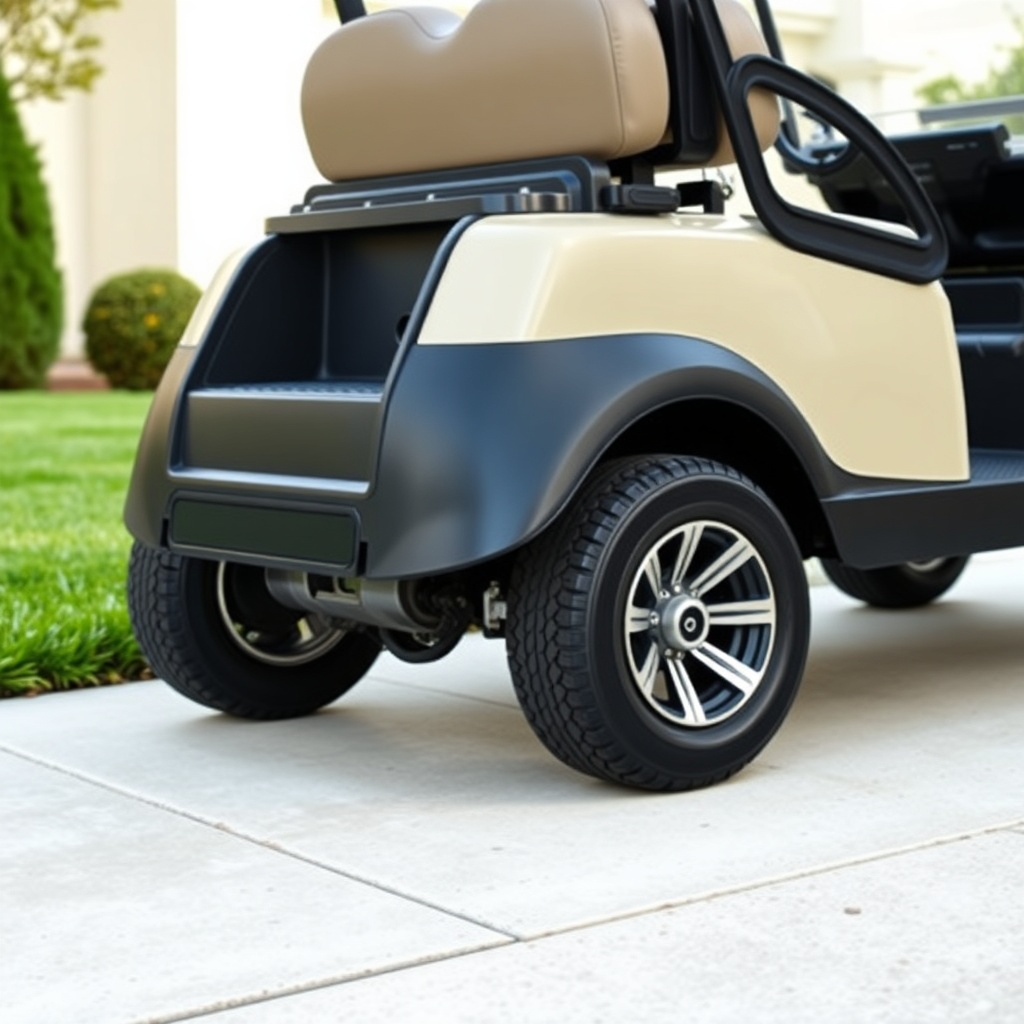
Creaking, clunking, or squeaking sounds while driving over bumps usually point to dry or worn bushings. The Onward’s suspension has rubber or polyurethane bushings at every pivot point—spring eyes, shackles, and shock absorber mounts. When these degrade, metal-on-metal contact occurs, producing loud noises and also accelerating wear on adjacent components.
Common noise sources:
- Leaf spring eye bushings: A high-pitched squeak when going over speed bumps.
- Shock absorber top mount: A dull clunk on rebound.
- Rear axle U-bolt area: A metallic rattle if bolts have loosened.
Repair approach: Lift the rear of the cart securely on jack stands and use a pry bar to check each pivot point for play. Replace any bushings that show more than 2 mm of lateral movement. Polyurethane bushings (around £25 – £40 per set) are a durable upgrade that reduces noise long-term. Do not forget to tighten all bolts to the manufacturer’s torque specifications; loose U-bolts are a safety hazard.
What Causes Excessive Bottoming Out on the Front or Rear?
Bottoming out—when the suspension hits the bump stops harshly—typically indicates that the springs have lost their load-carrying capacity or that the shock absorbers are no longer controlling rebound. On the Onward 4 Passenger, the rear is especially prone if the cart is frequently loaded with four adults or heavy gear.
Key factors:
- Leaf spring sag: Over 10 years of service, a spring can lose 30% of its initial arch height.
- Worn shock absorbers: A shock that offers no resistance when compressed by hand will not prevent the axle from hitting the frame.
- Incorrect tyre pressure: Overinflated tyres (above 25 psi) reduce the tyre’s own slight cushioning effect.
Immediate checks: Measure the distance from the bump stop to the axle pad. If the gap is less than 15 mm with the cart empty, the springs need replacement. Also test the shocks by pushing down on the rear bumper; the cart should settle and rise once, not bounce repeatedly. A speed controller tune can sometimes adjust throttle response to reduce aggressive acceleration that forces the rear down, but it does not fix a mechanical sag.
| Symptom | Likely Cause | Severity (1‑5, 5=most serious) | Approximate Repair Cost (GBP) |
|---|---|---|---|
| Leaning to one side | Broken or fatigued leaf spring | 4 | £120 – £200 |
| Clunking over bumps | Worn bushings or loose U-bolts | 3 | £30 – £80 |
| Harsh ride, no damping | Failed shock absorbers | 3 | £80 – £150 |
| Bottoming out with load | Weak springs or overloaded | 5 | £150 – £300 |
| Front-end wobble at speed | Worn kingpin or steering bushings | 4 | £60 – £120 |
How to Check and Replace Worn Shock Absorbers on the Onward 4 Passenger?
Shock absorbers on the Club Car Onward are relatively easy to inspect. A visual check will reveal oil leaks around the shaft seal—an immediate sign of failure. The cart might also exhibit excessive body roll during turns or a “porpoising” motion (repeated bouncing) after hitting a dip.
Testing procedure:
- With the cart on level ground, press down firmly on each corner and release. A healthy shock will return the cart to rest in one cycle.
- Inspect the rubber boots (if fitted) for cracks; a torn boot lets debris damage the shaft.
- Check the mounting bolts for tightness. Loose top mounts are a frequent cause of rattles.
Replacement tips: Remove the upper and lower mounting bolts (usually 13 mm or 15 mm) and compress the shock by hand to test its resistance. If it moves without significant resistance, replace it. Aftermarket gas-charged shocks (£50 – £90 per pair) improve ride quality noticeably. Always replace shocks in pairs (both front or both rear) to keep handling balanced. For those planning to modify the cart further, consult the best tire size options because larger tyres can affect shock travel limits.
What Are the Signs of Worn Leaf Spring Bushings and Shackles?
Leaf spring bushings are often the most neglected components on a golf cart suspension. They sit inside the spring eye and at the shackle pivot, allowing the spring to flex without binding. When they wear, the spring can move sideways, causing the axle to shift slightly out of alignment.
Early detection signs:
- Uneven tyre wear (scalloped edges on the rear tyres).
- Wandering or vague steering feel, even if the front end is tight.
- Visible slop at the spring eye: grasp the spring and try to move it laterally; more than 3 mm of play indicates worn bushings.
Replacement: The original rubber bushings can be pressed out with a simple C-clamp and socket. Polyurethane replacements (around £30 a set) fit directly and last much longer. When reinstalling, lubricate the bushings with silicone-based grease to prevent squeaking. Also check the shackle plates for distortion; a bent shackle will cause premature bushing wear. Upgrading to a newer model after 2025 might be considered if the frame itself is corroded, but for most Onwards, new bushings restore precise geometry.
How Does Tyre Pressure Affect Suspension Comfort and Handling?
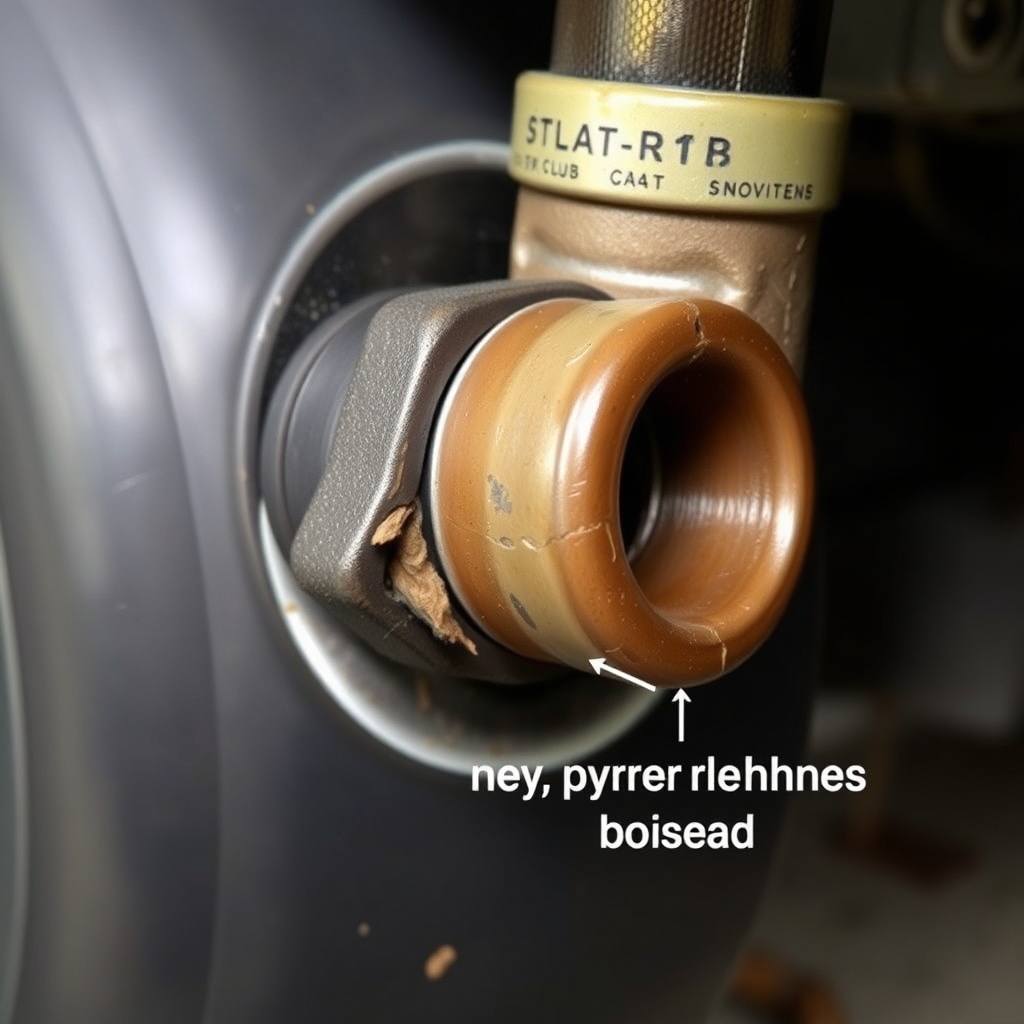
Many ride complaints on the Club Car Onward 4 Passenger can be traced not to the suspension itself, but to incorrect tyre pressure. Golf cart tyres typically require 18–22 psi for a balance of comfort and handling. Overinflation (above 30 psi) makes the ride harsh, reduces traction, and transmits every road imperfection directly to the chassis.
Pressure guidelines:
- Standard 18‑inch tyres: 20 psi front, 22 psi rear.
- Low‑profile or 20‑inch tyres: 18 psi front, 20 psi rear.
- When carrying four passengers: increase rear by 2 psi to prevent sidewall flex.
Impact on suspension: Underinflated tyres (below 15 psi) can cause the sidewalls to overheat and even separate, leading to blowouts—a critical safety issue. Conversely, overinflation reduces the tyre’s ability to absorb small bumps, making worn suspension components feel worse. A simple pressure gauge check each month can prevent many ride complaints and extend tyre life. For those swapping to larger wheels, the best tire size options page explains how diameter and width affect the suspension’s effective leverage and bump stop clearance.
What Owners Say About the Club Car Onward 4 Passenger Suspension
Owner feedback from UK cart clubs and forum threads consistently praises the Onward’s overall build quality but notes two recurring pain points. First, the factory shocks are adequate for flat golf courses but feel underdamped on British B‑roads with potholes. Many owners replace them within the first two years. Second, the rear leaf springs tend to sag noticeably after 18 months if the cart carries heavy loads regularly—for instance, a 1‑inch drop in ride height at the rear lip is common.
On the positive side, those who upgrade to polyurethane bushings and heavy‑duty springs report a night‑and‑day difference. One owner on a Kent‑based forum wrote: “After fitting the HD springs and gas shocks, my Onward rides like a luxury SUV. The old setup was a punishing experience over speed bumps.” Regular maintenance like battery water level checks also keeps the cart’s weight consistent, preventing additional sag from a heavy battery bank.
Frequently Asked Questions (FAQs)
How often should I replace the shocks on my Club Car Onward 4 Passenger?
In normal use, replace shocks every 3 to 4 years or after 10,000 miles. If the cart is used off‑road or on rough terrain, inspect them every 12 months and expect replacement sooner—around 5,000 miles. A simple bounce test done monthly can catch failure early.
Can I fit a lift kit without changing the shocks on the Onward 4 Passenger?
Yes, but the factory shocks may be too short for a lift exceeding 3 inches. A 4‑inch lift kit typically requires longer travel shocks to prevent topping out. For standard 2‑inch lifts, the original shocks suffice, but upgrading to gas‑charged shocks improves ride quality. The lift kit installation guide includes shock recommendations.
Why does my Onward’s rear end bounce after hitting a dip?
This is classic shock absorber fade. When the shocks overheat from repeated hard work, the damping oil thins and loses effectiveness. Replacing the shocks with gas‑pressurised units helps maintain consistent damping, especially on undulating roads.
What is the maximum weight the stock suspension can handle?
The Club Car Onward 4 Passenger has a maximum vehicle load (passengers plus cargo) of around 450 kg (992 lbs). Exceeding this regularly will cause the leaf springs to sag permanently. If you carry heavy equipment, consider heavy‑duty springs (rated to 600 kg).
Do polyurethane bushings make the ride harsher?
Polyurethane bushings transmit more road vibration than rubber because they are stiffer. However, the difference is minimal on a golf cart, and the improved steering precision and longevity—they last three times longer than rubber—make them a popular upgrade. Many owners find the ride remains comfortable while eliminating squeaks.
Is it normal for the steering to feel loose after suspension work?
Not if work was done correctly. However, if the suspension was reassembled with loose U‑bolts or with bushings not torqued to spec, steering play can develop. Always torque all suspension fasteners to the values given in the owner’s manual (typically 40 ‑ 55 Nm for leaf spring U‑bolts). If the problem persists, inspect the steering box and tie rod ends.