Why Does the Club Car Onward 4 Passenger Need a Clutch Upgrade for Low-Speed Torque?
Owning a Club Car Onward 4 Passenger means enjoying a premium ride, but stock clutching often leaves drivers wanting more grunt when pulling away from a standstill or climbing gentle slopes with a full load. The factory clutch system is tuned for moderate speed and efficiency, not for the immediate torque needed when carrying two extra passengers or towing accessories. A clutch upgrade transforms low-speed behaviour without sacrificing top-end speed, making the cart feel more responsive and capable.
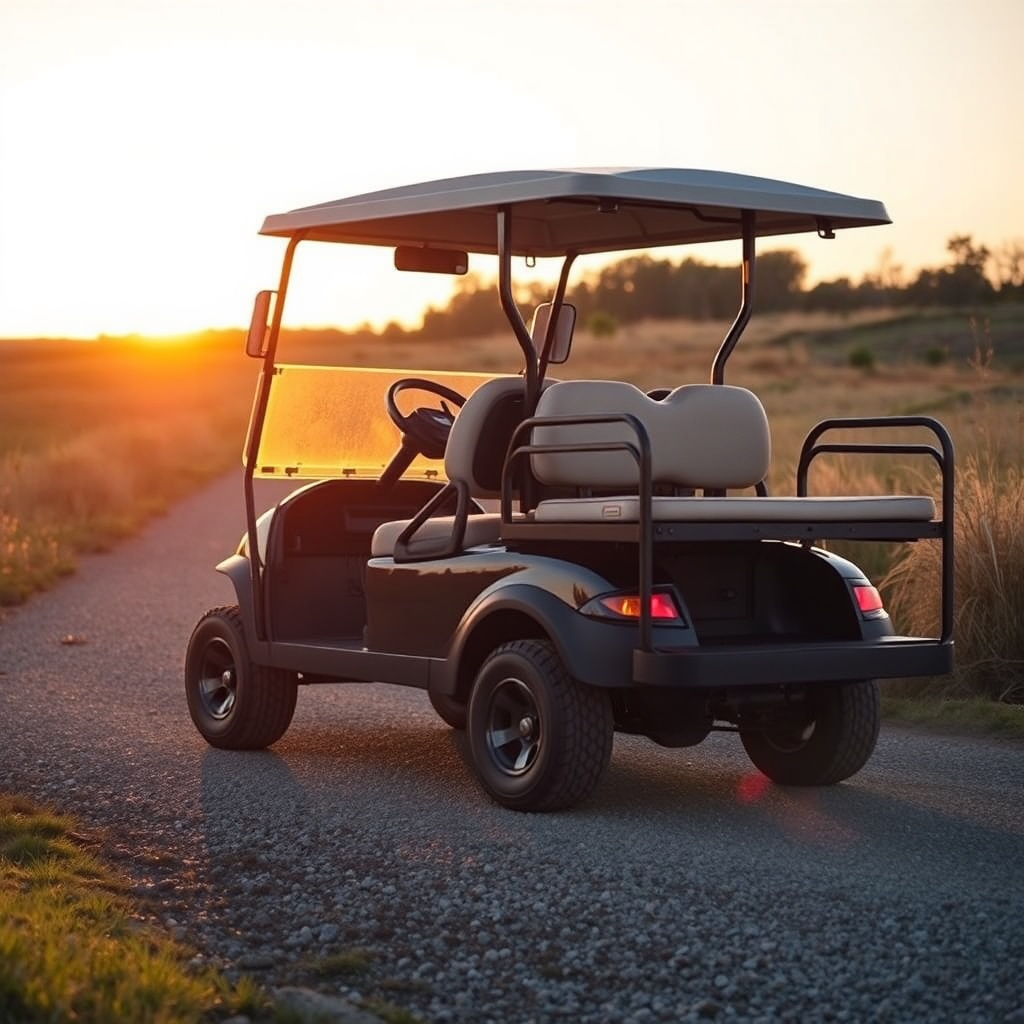
What Is the Stock Clutch Setup on a Club Car Onward 4 Passenger and Its Limits?
Factory-fitted with a centrifugal-style CVT (Continuously Variable Transmission), the Club Car Onward 4 Passenger uses a driver clutch on the crankshaft and a driven clutch on the transaxle. The stock engagement rpm is set around 1,800–2,000 RPM, providing smooth but soft takeoffs. When carrying four adults—especially up a 20% grade—the belt can slip, and the engine struggles to reach the powerband. The primary issue is insufficient belt pinch at lower RPM, causing hesitation and reduced towing capacity. Upgrading the spring rates and ramp angles corrects this.
How Does a Clutch Upgrade Improve Low-Speed Torque on the Club Car Onward 4 Passenger?
Installing a performance clutch kit—typically a Plowmans or CPP (Cart Parts Plus) setup—replaces the factory spring and cam with stiffer, custom-tuned components. The engagement RPM rises to approximately 2,300–2,600 RPM, allowing the engine to spin higher before the clutch locks, which produces more immediate torque. The upgraded spring applies greater lateral pressure to the belt, reducing slippage. Additionally, aftermarket weights or ramps alter the shift curve, holding lower gears longer before upshifting. The result: the Club Car Onward 4 Passenger climbs hills with less pedal effort and accelerates from stops without bogging.
| Clutch Component | Stock Spec | Upgraded Spec | Torque Gain (Estimated) |
|---|---|---|---|
| Engagement RPM | 1,800–2,000 | 2,300–2,600 | +15–20% |
| Spring Rate | 150 lb/in | 200–220 lb/in | +25% belt pinch |
| Cam Profile | Mild (flat) | Aggressive (steep ramp) | +30% low-end multiplication |
| Belt Type | Stock OEM | Heavy duty, kevlar-reinforced | Better heat dissipation |
| Typical Cost (GBP) | £0 (included) | £80–£120 | N/A |
What Performance Improvements Can I Expect After the Upgrade?
After a careful clutch upgrade on the Club Car Onward 4 Passenger, owners report a noticeable increase in low-speed torque—enough to pull a small trailer with two golf bags up a 15% grade without drama. Acceleration from 0 to 12 mph becomes snappier by roughly 1.5–2 seconds. Hill climbing ability improves significantly: a 25% grade that once required full throttle now handles with moderate pressure. Top speed may drop by 2–3 mph if the clutch is set conservatively, but many users find the trade-off worthwhile. To maximise gains, pairing the clutch mod with a suspension upgrade for better weight transfer is recommended.
What Is the Installation Process and Cost for a Club Car Onward 4 Passenger Clutch Upgrade?
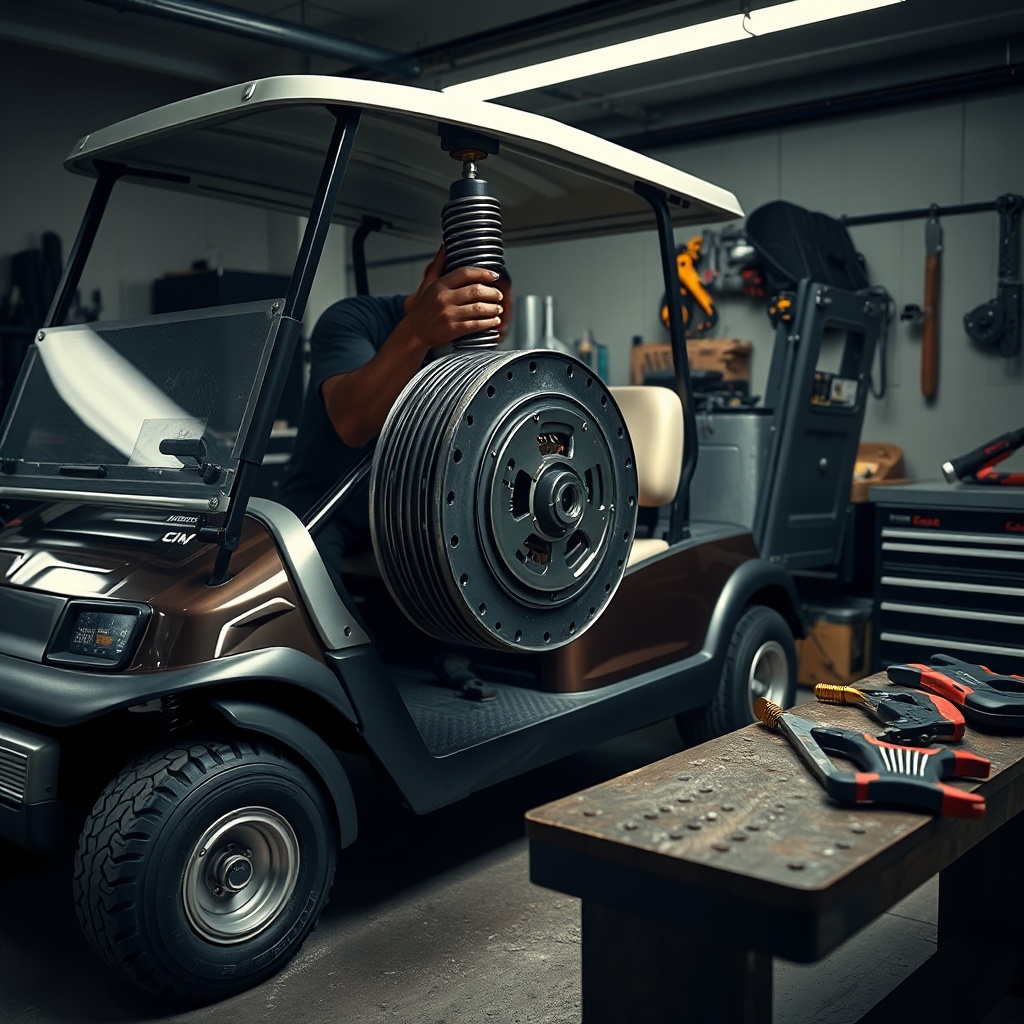
The job takes 1.5–3 hours for an experienced DIYer, involving removal of the belt, driver clutch puller, and spring swap. A torque wrench, clutch puller tool, and new belt are essential. Aftermarket kits start at £80 (GBP) for a spring/weight set, while full kits with cam and belt run £120–£160. Professional installation adds £50–£80 labour. For those who want to fine-tune further, adjustable weights allow custom engagement RPM. Ensure you also check battery water levels on electric models, as the added load from towing may increase power draw.
What Owners Say About the Club Car Onward 4 Passenger Clutch Upgrade
“I was sceptical, but the Club Car Onward 4 Passenger feels like a different cart after fitting a Plowmans kit. The low-end torque is night and day—no more lurching when I start on a hill with my family aboard,” says Steve P., Surrey. Another owner, Lisa M., shares: “We use our Onward for farm chores – hauling feed and tools. The stock clutch couldn’t keep up; after the upgrade, I can tow a small trailer up the garden slope without issues. Belt life also improved—no more glazing.” Many forum members note that pairing the clutch mod with a lift kit installation or larger tires further enhances off-road capability.
Frequently Asked Questions
1. Does a clutch upgrade void my Club Car Onward warranty?
Yes, modifying the CVT system typically voids the drivetrain warranty. Check with your dealer before proceeding, especially if the cart is leased or under factory coverage.
2. Can I install the clutch upgrade on an electric Club Car Onward 4 Passenger?
No—this upgrade applies only to gas-powered models. Electric carts use a motor controller to manage torque, not a mechanical clutch.
3. Will the upgrade affect top speed?
Possibly. A torque-focused setup may reduce top speed by 2–4 mph. If you want both low-speed torque and high-speed, consider adjustable weights or a dual-spring kit.
4. How often should I replace the belt after a clutch upgrade?
Inspect every 100 hours or annually. Heavy-duty belts last 200–300 hours under normal use, but more aggressive clutching can reduce belt life by 20%.
5. What tools are required for the installation?
You’ll need a clutch puller tool (specific to Kohler or Subaru engines), a torque wrench, Allen keys, and a pry bar. A service manual for the Club Car Onward 4 Passenger helps with torque specs.
6. Can I combine this with a suspension troubleshooting fix?
Absolutely. A worn suspension can reduce traction during hard acceleration, so addressing both clutch and suspension yields the best all-around ride.